Steps forward on land back
Marcus Bankuti The Eastern Door
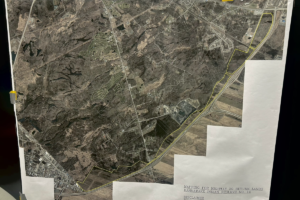
The Canadian government has announced $1.2 million in funding to remediate the Old Radar Site that straddles St. Remi and St. Isidore, a 162-acre parcel of land that is being returned to Kahnawake, a milestone for the community years in the making.
Mohawk Council of Kahnawake (MCK) grand chief Cody Diabo said it’s just the first example of land that is slated for return and that there are currently more parcels being looked at for return to Kahnawake.
“We’ve talked about land back for many years - not one more inch. Now we’re talking about actually getting that back, so it’s definitely something very dear for the community,” Diabo said.
The effort to acquire the land, which is being returned to Kahnawake through the federal Additions to Reserve (ATR) process, was already underway before Diabo joined Council in 2019. Diabo credited Crown-Indigenous Relations (CIRNAC) minister Rebecca Alty, with whom he has said he shares a good working relationship, for helping to push these kinds of initiatives along.
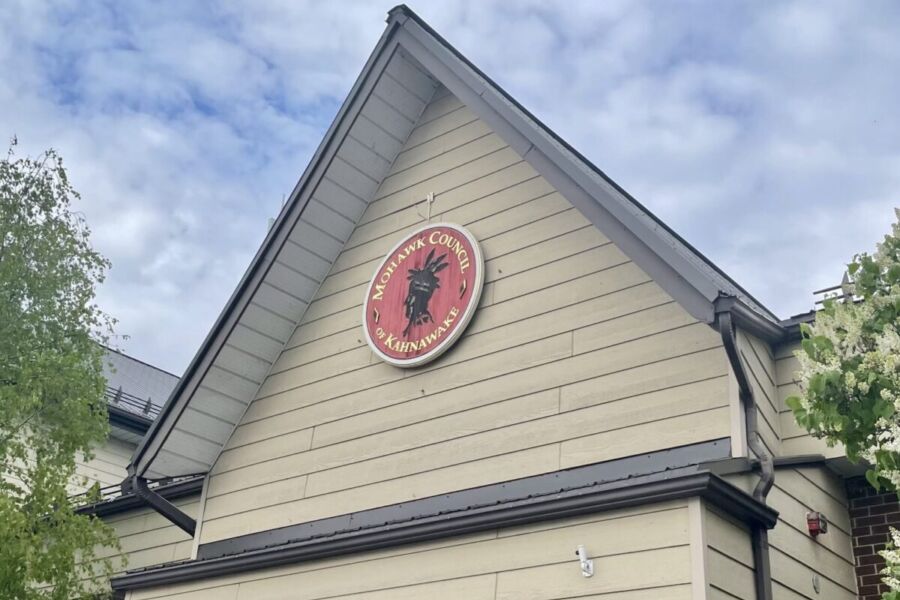
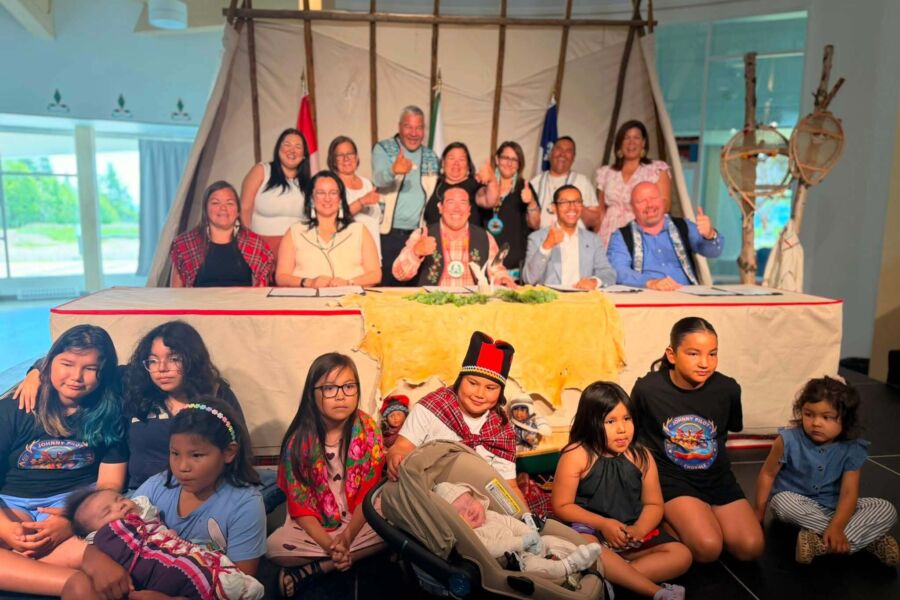
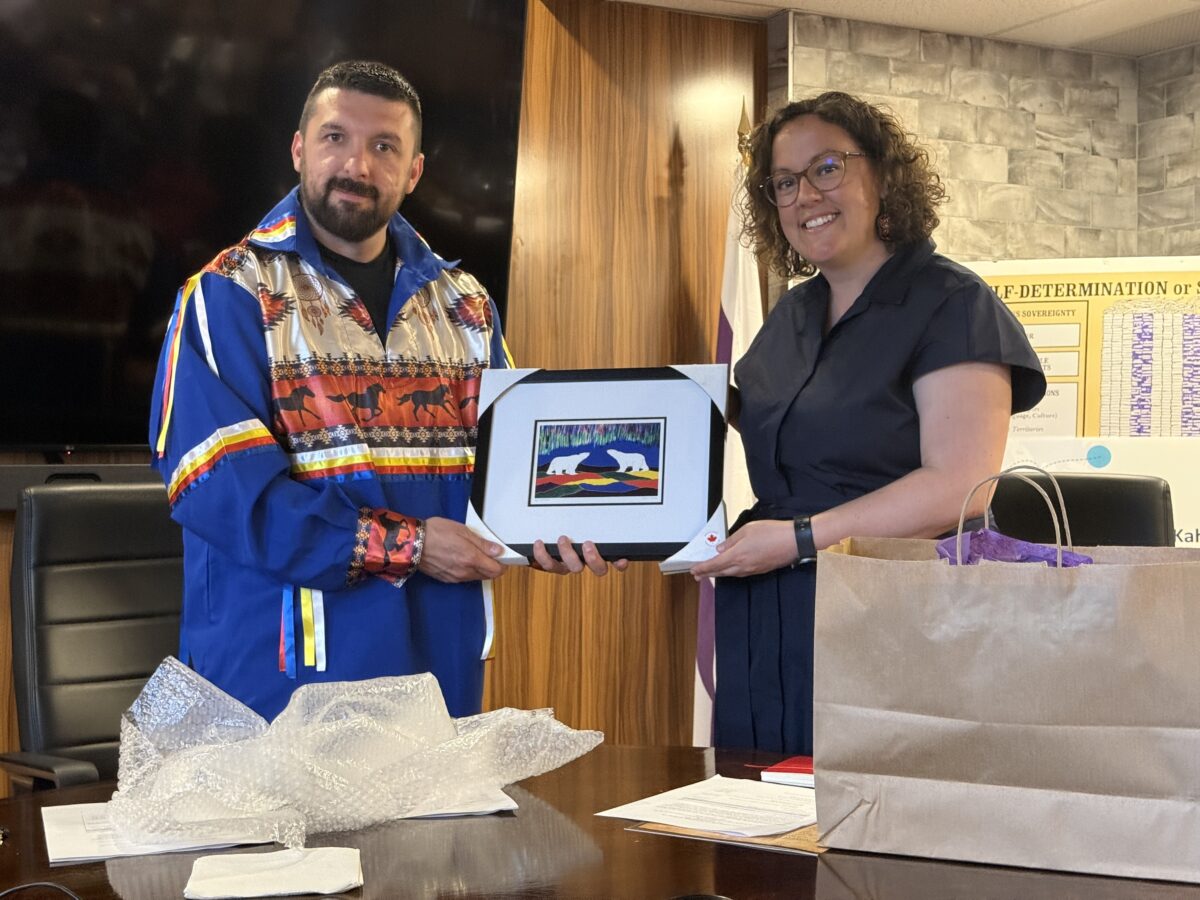
Alty was on hand for the funding announcement on Monday, visiting both the band office and the site itself.
“It’s taken a while to get to this stage, and I really want to thank everyone who’s worked so hard to bring us here today,” said Alty.
The surplus federal land, about a 10-minute drive from the edge of the reserve boundary, is slated to be used for agricultural and food sovereignty projects. First, however, contamination that has been discovered at the site, where an old building stands - including oil, asbestos, and lead paint - must be cleaned up.
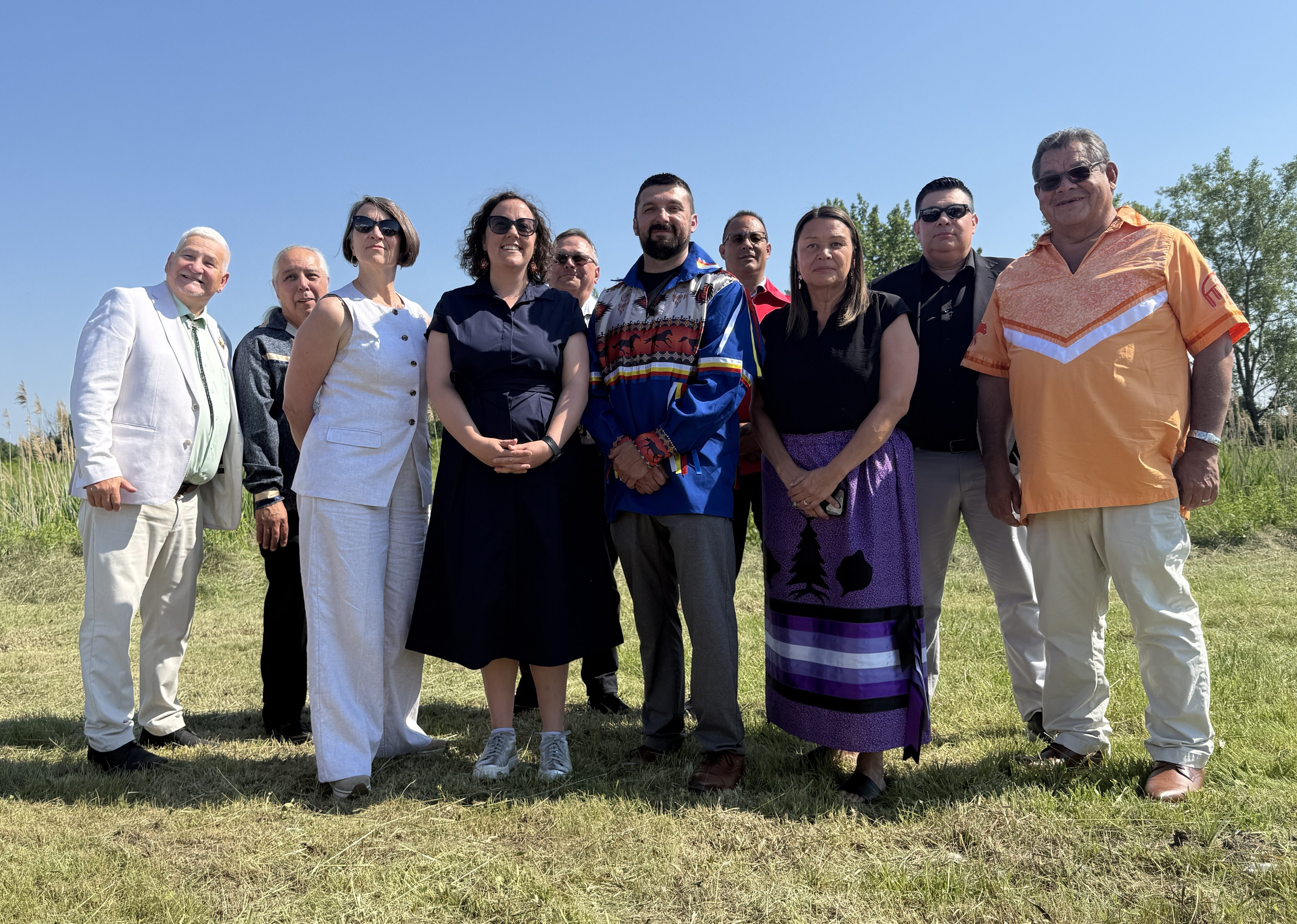

“These are serious issues that must be fixed before the property can move ahead and be added as reserve land,” said Alty before a small group of assembled local dignitaries. “Updated environmental assessments will help confirm the condition of the site and support the next step towards starting the Additions to Reserve process. Each step we’re making is bringing us closer to the land and supporting your goals and visions.”
According to Diabo, once the land is added to the reserve, Kahnawake will have the same jurisdiction over its use as anywhere else on the reserve.
Ohóntsa’ entsitewaié:na’ (land back) has been identified by the MCK as one of its top priorities for the 2024-2027 term, with Council launching the Still Ours campaign last year to educate surrounding communities about Kahnawake’s Seigneury of Sault St. Louis (SSSL) land grievance.
The SSSL is an area granted to the Mohawks of Kahnawake by the French in 1680 that encompasses multiple modern-day Quebec municipalities, and it constitutes a portion of a larger area of unceded lands where Kanien’kehá:ka have had a presence since time immemorial.
The Still Ours campaign and the imminent return of 162 acres within the SSSL comes at a time when increased calls for land grievances to be addressed across the country coincide with a renewed push for development in Canada and other territorial pressures, like a countrywide housing crisis.
“We’re on a mission for land back,” said Diabo. “We’re going to work together, for sure. We’re not trying to displace anybody the way we were displaced, but we need to reclaim what was ours. We want to work together on that. There are solutions out there for everything, but for me, we’re not just stopping here, and that’s the message at the end of the day.”
While the mood on Monday was jubilant as local leaders celebrated a milestone for land back for Kahnawake, former MCK chief Clinton Phillips, who worked on the file before he retired from office in 2021, took the opportunity to share his belief that the Additions to Reserve process needs to be streamlined.
“It’s always a pleasure when we get a visit from a federal minister. In this case, it’s extremely a happy moment. This is a long time coming,” he said.
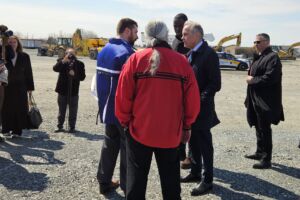

“We all know that things take a long time, especially government things, whether it’s the country, provincial, small-town politics,” said Phillips. “But we need determination. We need things to be trimmed. ATR is a process that is in my opinion ridiculous, and it’s not helping any First Nations to get to where we need to be. With your determination, your push, your help, your department and your team, the prime minister, I think things are really going to be a lot better for our people.
“I personally thank you for coming here and making this a reality, to start to see a reality.”
Alty acknowledged that the sluggishness of the ATR process is an issue she’s hearing about across Canada. “We’ve been engaging across the country to find the policy changes that are needed,” she said in response to a question from The Eastern Door earlier in the day.
Kahnawake will lead the procurement process, which Alty said is expected to be faster. MCK’s Asset Management team has already been tending to the site, where there have been some incidents of dumping.
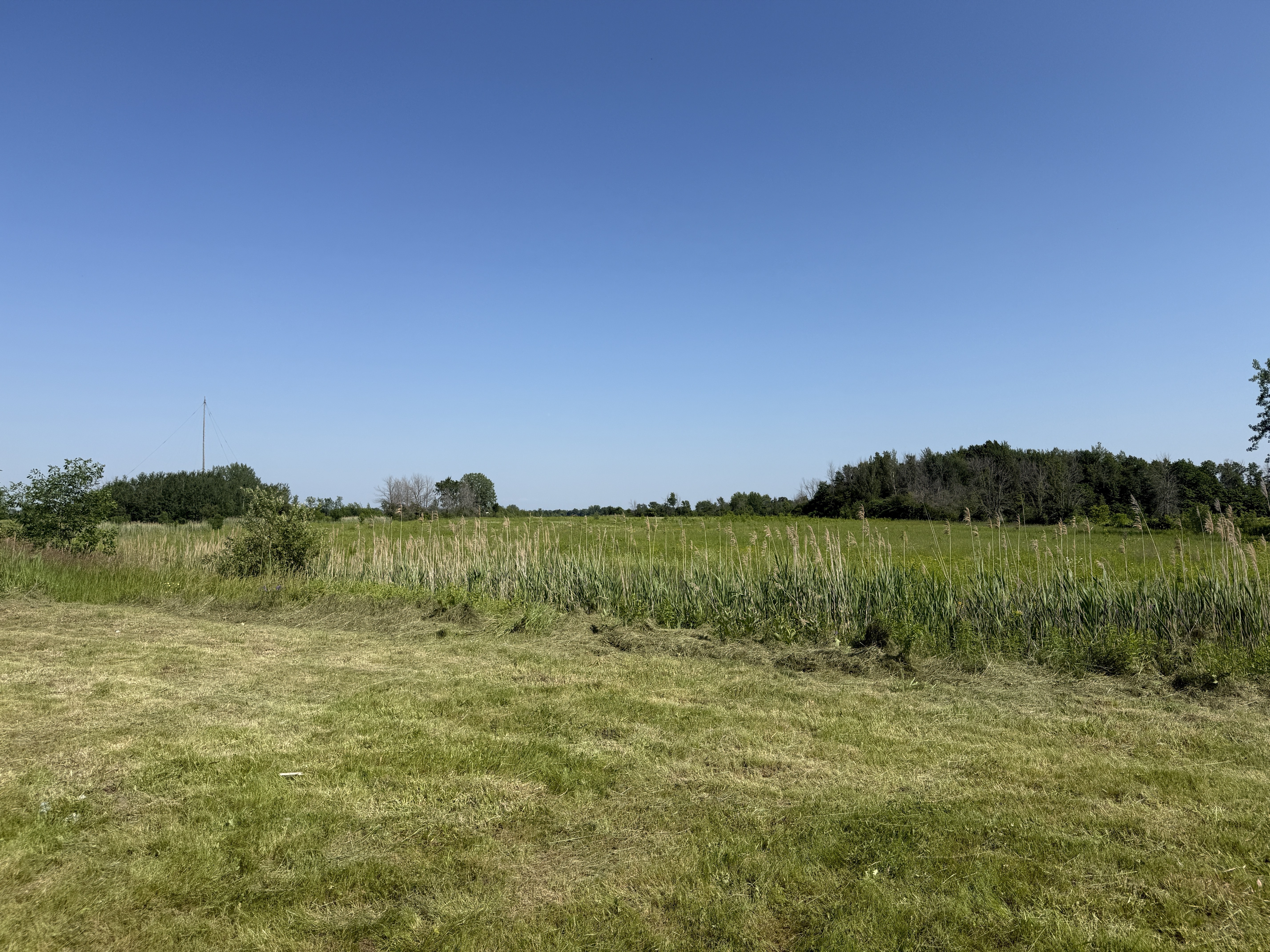
The MCK envisions that after the remediation, the rural land will be the perfect site to boost the community’s food sovereignty efforts.
What this might look like still needs to be determined. Diabo said different agricultural uses could co-exist in that much space, but that each use will affect the others. One idea he has heard at community meetings is an apple orchard, he said.
The community is also looking toward what’s next when it comes to the return of land.
Sign up for email updates from The Eastern Door
“Just going off of the last community meeting, people are saying, ‘Where’s the next parcel?’” he said.
“We’ll be exploring other parcels, for sure, that are out there.”
According to a 2025 press release, there are around 24,000 acres of unsettled land identified within the SSSL. The St. Remi/St. Isidore parcel, the first new land returned from the land grievance area, represents just under 0.7 percent of this amount.
Marcus Bankuti, Local Journalism Initiative Reporter