Iroquois Caucus agrees to entente with Assembly
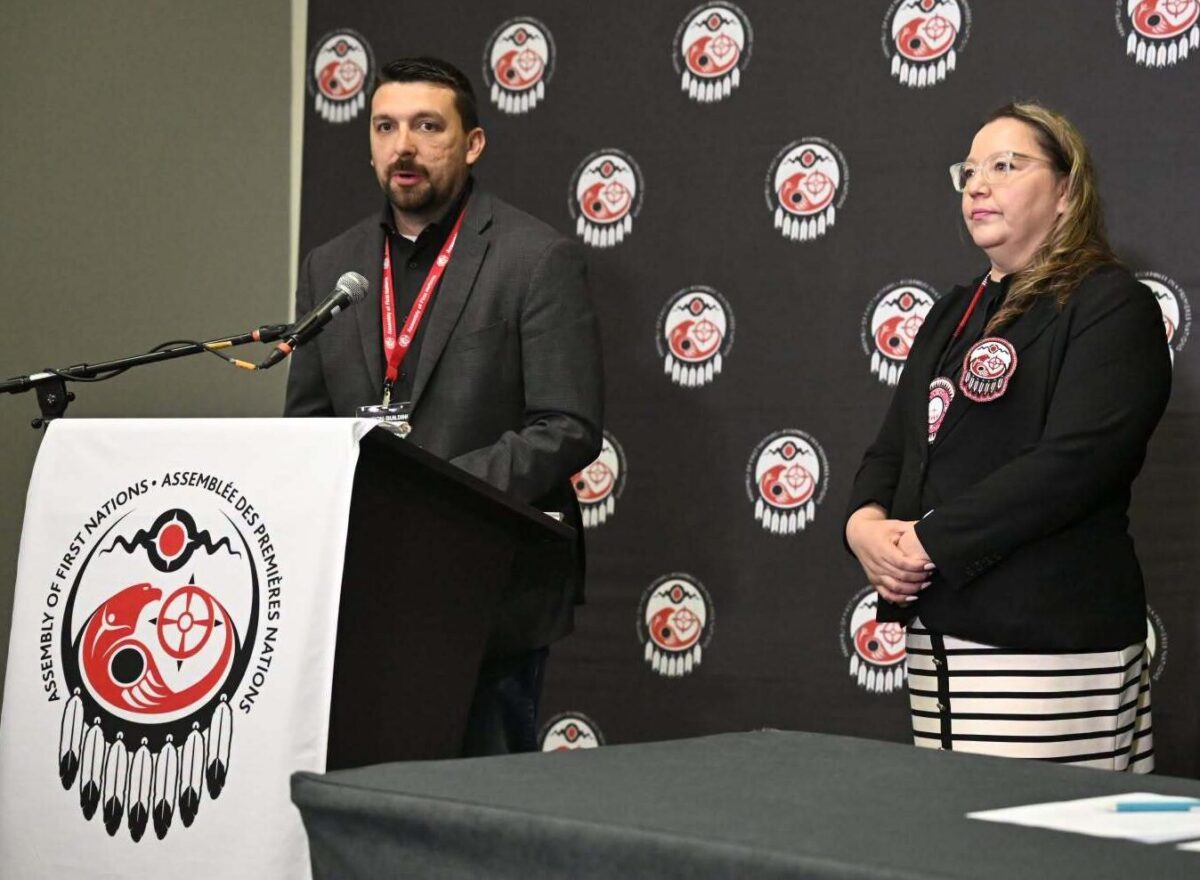
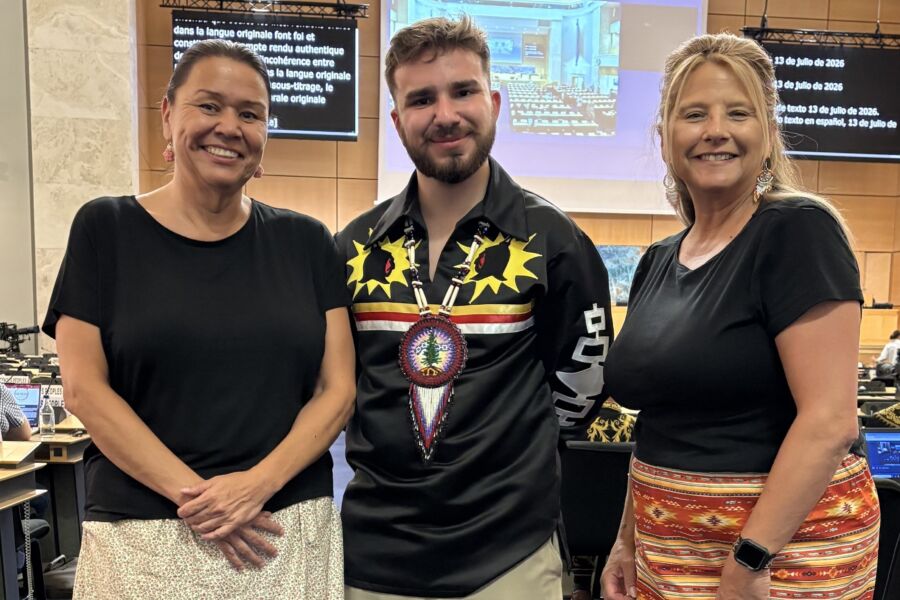
Courtesy Assembly of First Nations
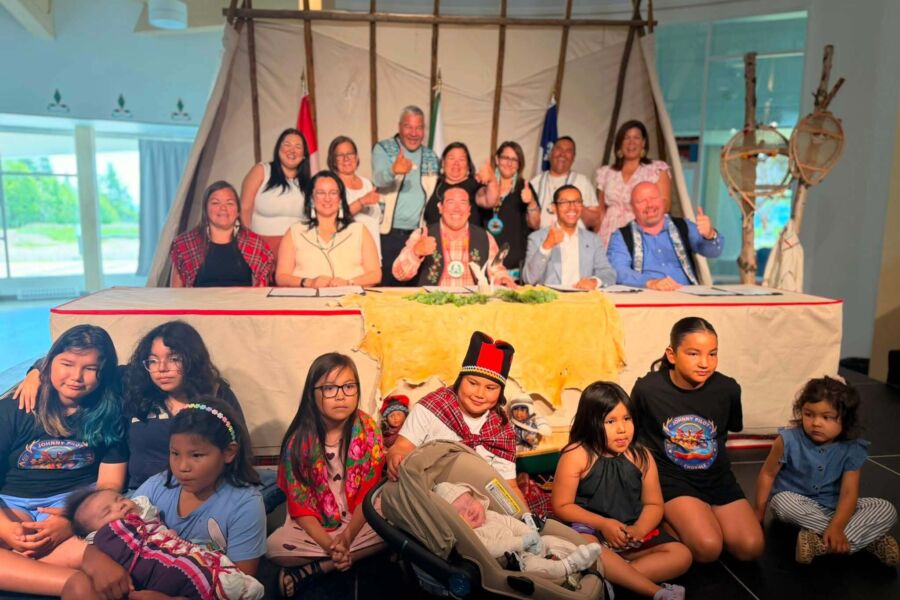
A draft resolution supporting the renewal of a protocol agreement between the Iroquois Caucus and Assembly of First Nations (AFN) was passed unanimously at the AFN Annual General Assembly last week, affirming the Iroquois Caucus’s role in representing the interests of member communities.
The agreement, which was subsequently signed, outlines a cooperative relationship between the AFN and Iroquois Caucus that promises collaboration and respect for the autonomy of the Iroquois Caucus.
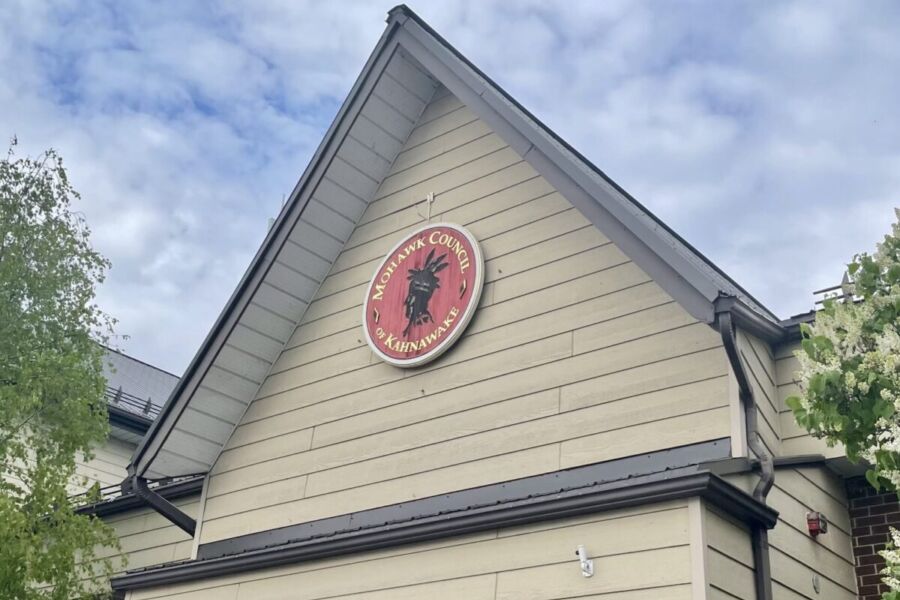
“Our communities have always spoken for and represented ourselves,” said Mohawk Council of Kahnawake (MCK) grand chief Cody Diabo in a joint press release from the AFN and Iroquois Caucus. “At its core it’s more than just working together. It’s about showing the federal and provincial governments that they need to also work with and talk with the Iroquois Caucus.”
Diabo had moved the draft resolution that passed at the assembly in Ottawa. He was accompanied by Dennis Diabo, MCK senior strategist for the Office of the Council of Chiefs, who worked on the wording of the renewed protocol.
“There are a number of issues where we have concern with the AFN and what they are doing,” Dennis said. “The main concern is the AFN cannot represent First Nations in rights-related discussions or issues. We noticed that from time-to-time they have been doing that.”

This is problematic in part, he suggested, because the federal government often prefers to defer to the AFN, which the MCK views as a mere advocacy group, rather than negotiating directly with First Nations.
“We do work collaboratively with AFN, however, it’s important to know that our communities still have that strong and direct voice, and we do speak for ourselves,” said Mohawk Council of Akwesasne (MCA) grand chief Leonard Lazore, who seconded the draft resolution.
Besides Kahnawake and Akwesasne, the Iroquois Caucus includes Kanesatake, Tyendinaga, Oneida Nation of the Thames, Wahta Mohawks, and Six Nations of the Grand River. In all, the Caucus represents more than 70,000 community members.
“It’s really important that we come together because we have the numbers,” Lazore told The Eastern Door. “When decisions are being made from Canada and AFN, what we’re saying is yes, consult with AFN, however you need to consult with us as well.”
The timing of the protocol agreement’s renewal is significant, he said, because it reminds the AFN that the Caucus needs a seat at the table at a moment in which Canada is pushing to expedite major projects, instigating concerns that the federal government is poised to sidestep its duty to consult with First Nations.
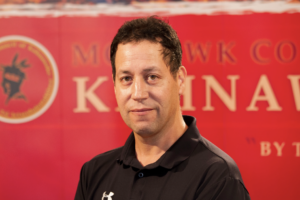


“We want to make sure we are not left out of that, and we don’t want to have any other entity speaking on our behalf,” Lazore said.
“You still need to consult us. You do need to respect Iroquois Caucus. We have this voice. These things are coming, and these changes are happening fast,” he added. “We’re not letting Canada off the hook.”
There is also the need to be ready to confront bills of particular concern for the Iroquois Caucus when Parliament’s summer recess ends, he said, such as Bill S-2, which Kahnawake has also opposed on the grounds that First Nations should be the ones to determine their own membership.
Lazore said he is optimistic that the AFN will hold up its end of the agreement with the Iroquois Caucus, with national chief Cindy Woodhouse Nepinak showing support and the AFN involving Iroquois Caucus members in panels and discussions.
“I really feel like they are walking the walk, and I really feel that they’re going to respect our unique position as we go through and we advance,” he said.
Sign up for email updates from The Eastern Door
Woodhouse Nepinak pledged support for the agreement in the joint press release.
“We have worked towards this signing in a spirit of trust and recognition of our respective roles,” she said.
“This milestone codifies our shared commitment to advancing shared priorities while respecting the autonomy and perspectives of the Iroquois Caucus. Strong relationships strengthen our collective voice and advance our shared goals. Today marks the beginning of our renewed relationship.”
Marcus Bankuti, Local Journalism Initiative Reporter