Emergency, low-income housing priorities says survey
File photo
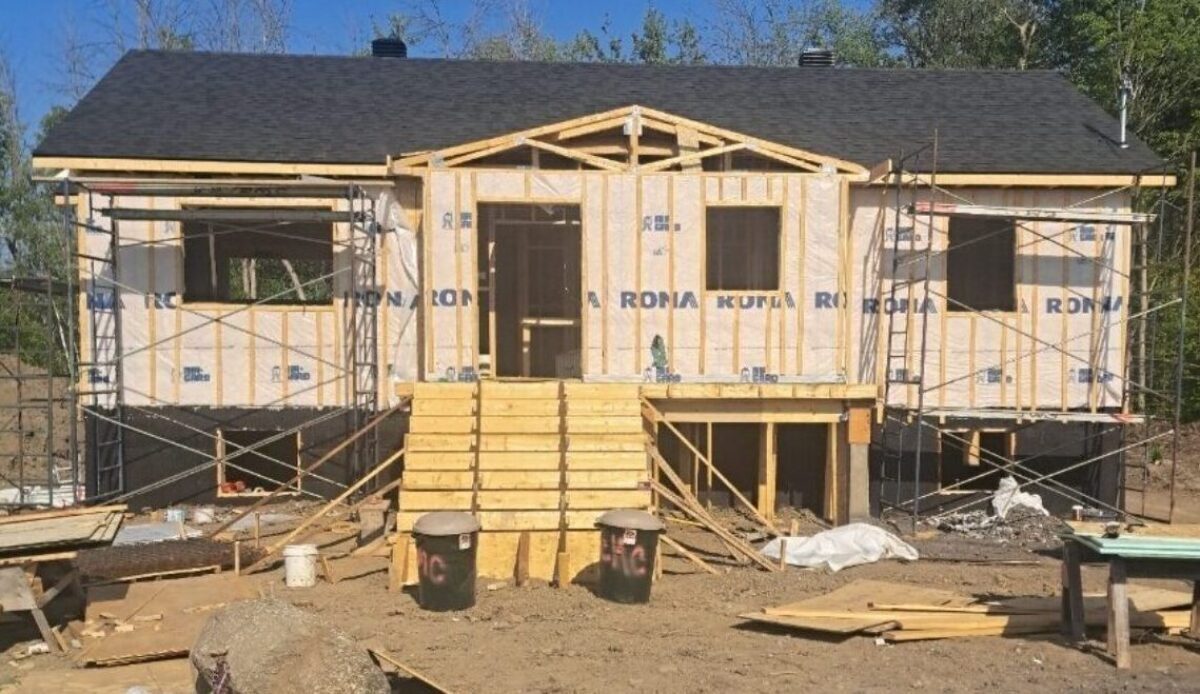
The results of the Kahnawà:ke Housing Needs Technical Survey have now been published, with the results potentially shaping the Mohawk Council of Kahnawake (MCK)’s housing policy for years to come.
“The findings will help inform the development and enhancement of housing programs and services offered by MCK,” according to a press release.
The survey, put together by PlanIt Consulting, had 367 respondents.
Among them, 57 percent of respondents said they were homeowners; the rest rent or have “alternative housing arrangements.”
Among homeowners, 60 percent said that they lacked awareness of the programs available to them; 56 percent were worried they could not pay for repairs; and 49 percent found regular and seasonal home maintenance challenging.

Adapting one’s home to prepare for old age (43 percent) and estate planning (36 percent) were also notable concerns.
These answers speak to the average age of homeowners in Kahnawake: 71 percent of respondents who said they owned their home were aged 50-70+. Twenty percent said they were retired, the second largest group after those with full-time employment (51 percent).
In contrast, just four respondents - less than two percent - were aged 20-29.
Similarly, 56 percent of renters are aged 20-39.
Just 15 percent said they were in the process of building a home or would be planning to in the next two years. The reasons cited were often related to cost of the building, saving for a down payment, barriers to being eligible for loans, and high interest rates.



Rent and availability are major concerns for renters, the survey found. A majority - 57 percent - struggled to pay their rent. Fifty-five percent were afraid of a rent increase, while 35 percent were afraid to be evicted.
While less than 20 percent of respondents said they were actively seeking a place to rent in the last year, almost all who did - 95 percent - said availability was a challenge they had faced. Affordability was a concern for 64 percent of the same group.
Many respondents said that there were not enough units available for single community members, large families, or those with physical limitations, causing crowded living situations and community members to move out of Kahnawake altogether.
Availability was a top priority in the eyes of most respondents.
When pinpointing programs that should be determined as high priority, 74 percent named emergency housing; 72 percent said accessible housing for elders and those with disabilities; 63 percent said homeownership assistance programs; and a little less than 60 percent said rent support and renovation loans.
Sign up for email updates from The Eastern Door
PlanIt offered recommendations as part of the survey’s report: “strategize to expand housing supply” (via more multi-unit developments and different housing types); “expand home repair and renovation support” (via support for small-scale and ongoing maintenance, including for elders); “strengthen support for elders and accessibility;” “enhance information and guidance” (via information sessions, workshops, outreach beyond digital platforms, and resource guides for building, renting, and accessing programs); and “explore emergency and low-income accessible housing” (via the construction of short-term housing and supporting those who accommodate others in their home during crisis situations).
The full survey results can be found on the MCK’s website.