Responsible leadership discussed at forum
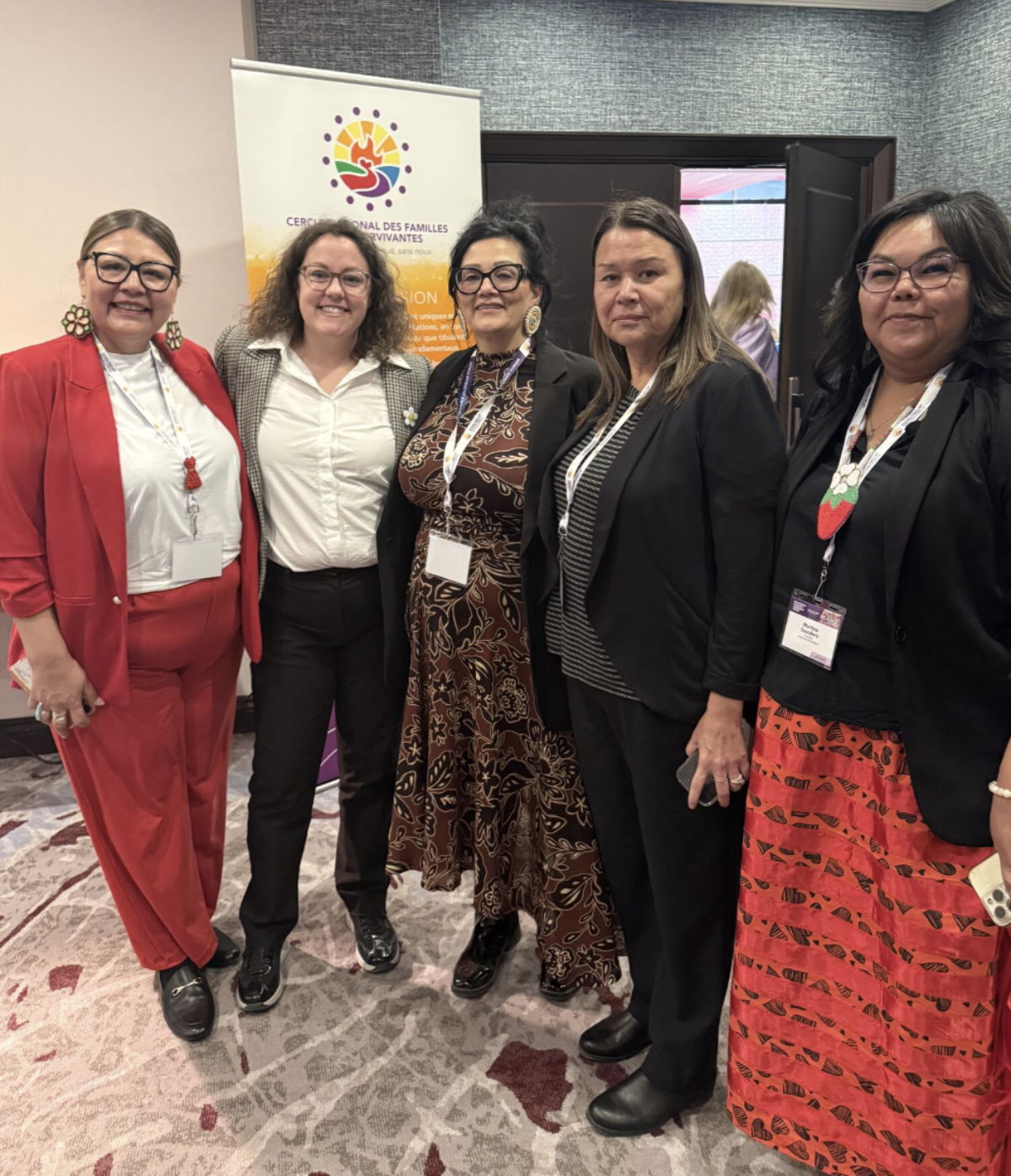
From left to right: Tanya Debassige (Board member, National Family Survivor’s Circle), Rebecca Alty (minister of Crown-Indigenous relations), Hilda Anderson-Pyrz (president of the National Family Survivor’s Circle), Melanie Morrison (Mohawk Council of Kahnawake chief), and Martina Saunders (Member of York Factory First Nation) at the Responsible Resource Leadership Forum. Courtesy Melanie Morrison
Preventing gendered harm and addressing human trafficking was top of mind for attendees at the National Family and Survivor’s Circle inaugural Responsible Resource Leadership Forum, where Mohawk Council of Kahnawake (MCK) chief Melanie Morrison was in attendance representing Kahnawake.
“It was really eye-opening,” said Morrison. “It’s really encouraging to see this, because for a long time the whole issue of MMIWG (Missing and Murdered Indigenous Women and Girls) and the Calls for Justice kind of fell off the table, it went silent.”
The conference was held over two days in Ottawa, and brought together community members, politicians, and stakeholders working towards building safer communities.
Key priorities of the event included discussing gendered harm and human trafficking, implementing the Calls for Justice outlined in the National Inquiry into MMIWG, and Indigenous women’s economic participation and safety.
There was also a specific focus on Calls for Justice 13.1 to 13.5, which concern Extractive and Development Industries. These calls address directly the safety and security of Indigenous women, girls, and 2SLGBTQIA people at all stages of project planning and implementation, including addressing the need to fund inquiries and studies to better understand the relationship between development and resource extraction projects and gendered violence.

“These calls are very important in the safety of women who work on campsites and the responsibility of industry owners and higher-ups to do more proactive instead of reactive implementation of policies,” Morrison said.
Speakers from the Native Women’s Association of Canada (NWAC) gave their perspective on reporting and engaging with Indigenous women in communities who had been directly impacted by development projects, particularly development projects focused on resource extraction, like mining.
“These are industries being started up in their backyard, and they’ve got firsthand information about people who have been sexually assaulted, or beaten up, or treated as less than,” Morrison said.
Morrison added that at future editions of the conference, she’d be interested to hear more from representatives from major corporations who carry out these types of development and infrastructure projects.
“It’d be good to have those industry people there from those giant corporations that do mining and oil extraction and everything else, to hear what the effect is of their lack of safety protocols on their sites, or with the communities that are closest to them,” she said.
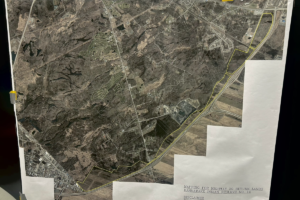
From a Kahnawake perspective, Morrison considered the role of the Seaway, and the ongoing Contrecoeur Container Terminal Project, which would expand port infrastructure, ultimately increasing the number of ships passing through the Seaway.
“I do fear that it could impact the safety of our community members and our well-being,” Morrison said, emphasizing that with increased shipping containers passing through, it’ll be imperative to monitor the situation and ensure issues like human trafficking are considered preventatively.
Morrison also got the chance to connect with political leaders, including minister of Crown-Indigenous Relations Rebecca Alty, who has previously visited Kahnawake, and expressed interest in coming back to the community.
She also connected with other Indigenous community leaders, and said she hopes to see more representations from communities in Quebec in future.
“A lot of times Quebec is left out, but there’s a lot of Indigenous communities that are francophone and I’d like to see more representation from those communities in Quebec at these things, because the reality in Quebec can be much different from the rest of Canada,” she said. “Quebec has different police, the government likes to think it’s its own and not part of Canada, so I like to remind people that there’s things that go on here that are impacted by industries, and we really need to be inclusive and make sure those communities aren’t left out of conversations.”
Sign up for email updates from The Eastern Door