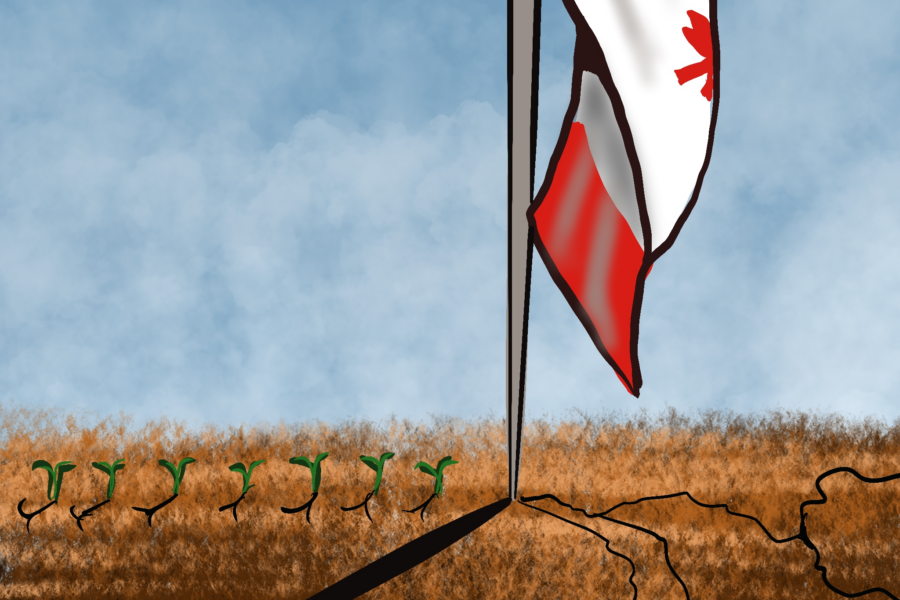
Reading between the budget lines
Megan Kanerahtenha:wi Whyte The Eastern Door
When staffers at Canada’s Department of Finance sit down to hammer out a new federal budget, they’re working in the billions of dollars. But in at least one way, their annual project is not so different from sitting down at the kitchen table, pushing the A&W wrappers out of the way, and finally facing up to the cost of the little indulgences that make life a little easier - and a lot more expensive.
When it comes to allocating dollars and cents, we all ask ourselves the same question, and the government is no different: what are our priorities?
For many families, it’s hockey equipment for growing kids, an annual vacation, maybe a pizza or a date night once in a while. For others it might be a question of whether to buy a Cybertruck or a Ferrari. But pretty much everyone’s resources are finite, no matter who you are, and we all have to take stock of what’s important to us from time to time.
A government’s budget isn’t really all that much like a household one, of course - there are not very many households that can print money, and if yours can, you might want to keep that quiet - but it tells a story all the same.
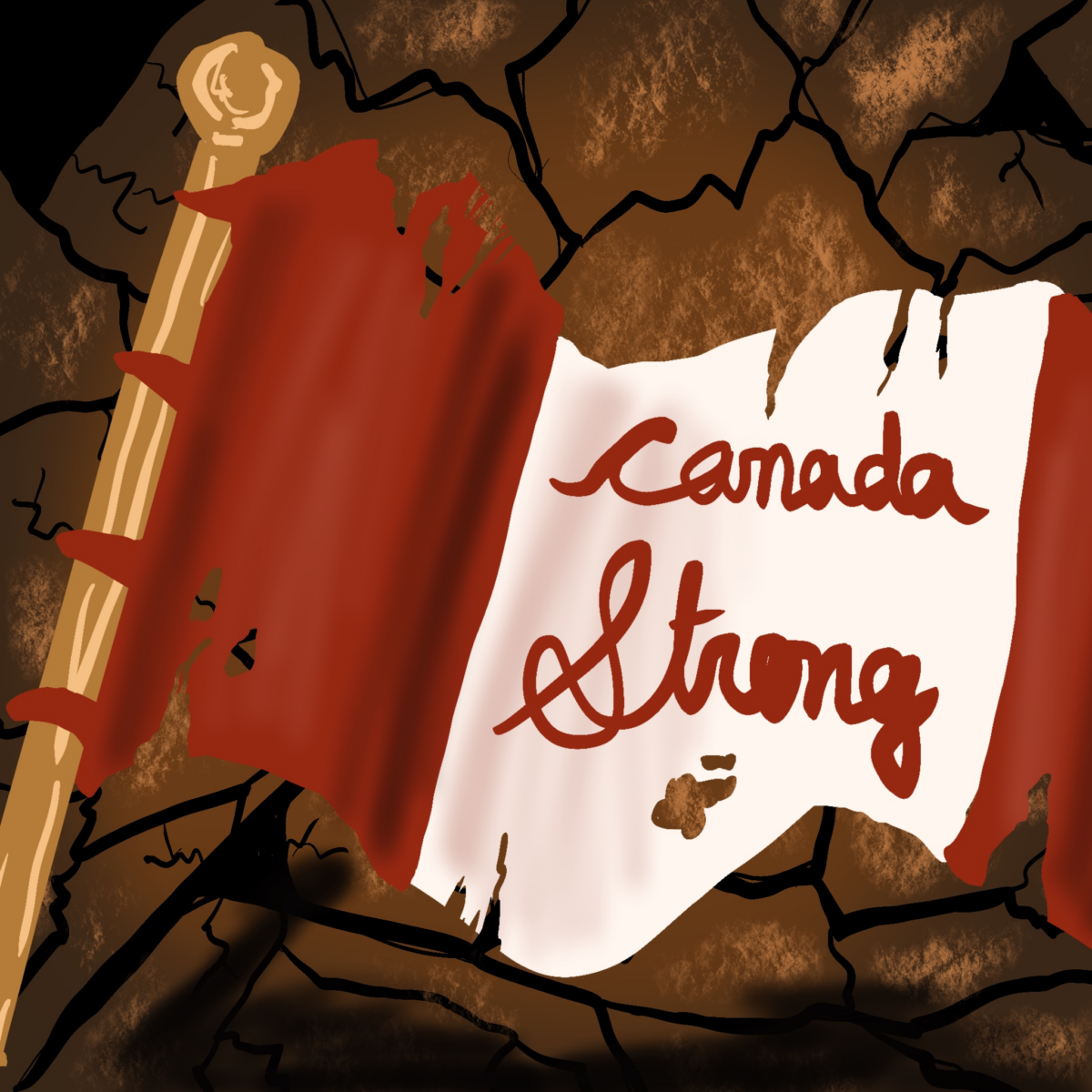
The budget drawn up under prime minister Mark Carney isn’t shy to tell its story. In fact, it’s right there in the name: “Canada Strong.” And it doesn’t ring very nicely in our ears, knowing what that kind of language has often meant for Indigenous communities and their priorities.
Carney comes from the financial world (and he would tell you it’s not exactly true that the government can print money - that honour goes to the Bank of Canada, which he used to run), and his budget reflects that. It’s a business-minded budget, urging each department to find efficiencies.

In fact, a few months back, Carney’s government warned it would be demanding sharp 15 percent cuts across the board to be phased in over the next few years, an order that was downright alarming, not least because of its DOGE-lite tones.
Astute readers of The Eastern Door will recall that this across-the-board demand is what triggered a press conference at which the Mohawk Council first announced it was looking into tolls on infrastructure running through the territory - most notably the Mercier Bridge - to take control of community finances in the face of potentially reduced funding.
Well, the budget is here at last, and the country’s two major Indigenous-facing departments - Indigenous Services Canada (ISC) and Crown-Indigenous Relations and Northern Affairs Canada (CIRNAC) - will see their budgets slashed by more than $2 billion. That’s a rate of about two percent, far less than the percentage dictated elsewhere, but that doesn’t make it a win for First Nations.
After all, if we tell you we’re going to steal your car but just run off with your car stereo, you’re not exactly coming out on top.
If there’s one message Indigenous communities can take away from this budget, it’s that even though the government ought to be doing far more to bring equality to this country, it plans to do less.
In other words, if a budget is a story of priorities, First Nations are losing out; building Canada is the priority, and we all know throughout history that building Canada means land theft, resource theft, and broken promises.




Sure, the government can try and dress up the cuts by pivoting to new investments. After all, waste abounds in government, and it’s perfectly reasonable to expect there are pennies to be found under the proverbial couch cushions, but why are these not being reinvested in other areas of vital interest to Onkwehón:we?
After all, it was only weeks ago that the auditor-general of Canada released a scathing report accusing ISC of unsatisfactory progress on programs as fundamental as providing clean water and access to emergency services.
ISC minister Mandy Gull-Masty told APTN that the budget plan indicates “program reform” and a “new direction.” What does that look like for many key portfolios? “We’re going to identify what that’s going to look like in the future budget,” Gull-Masty said.
The focus, she told the news outlet, is on infrastructure, water, and housing, crucial priorities to be sure, yet the Assembly of First Nations’ (AFN) analysis describes a budget that falls far short of needed progress even in these areas.
The government pledges to create hundreds of thousands of jobs, injecting hundreds of billions of dollars into the economy, but, as the AFN points out, this doesn’t come with promises First Nations can count on to improve their lives and communities.
In fact, resource development, one of the key areas of interest for the Canadian government, is an ominous threat from an Indigenous perspective, because it gives the feds even more motive to encroach on Indigenous lands.
Sign up for email updates from The Eastern Door
An announcement this week vows to put more money into mining projects, natural gas and other environmentally-destructive economic ventures; to help who, exactly? At the expense of our communities and future, no doubt.
Still not convinced? Here’s a bullet point from the AFN that may grab your attention: this budget, unlike in previous years, has no Indigenous chapter.
If that doesn’t tell you all you need to know about the government’s priorities in the “Canada Strong” era, what will?
The government has been preaching for months that it wants everyone on side, Canada unified against the protectionist US, but when the only true unifying force - reconciliation - is left to languish, there is no way forward together.
TED Staff