Class action lawsuit on tax rights?

Megan Kanerahtenha:wi Whyte The Eastern Door
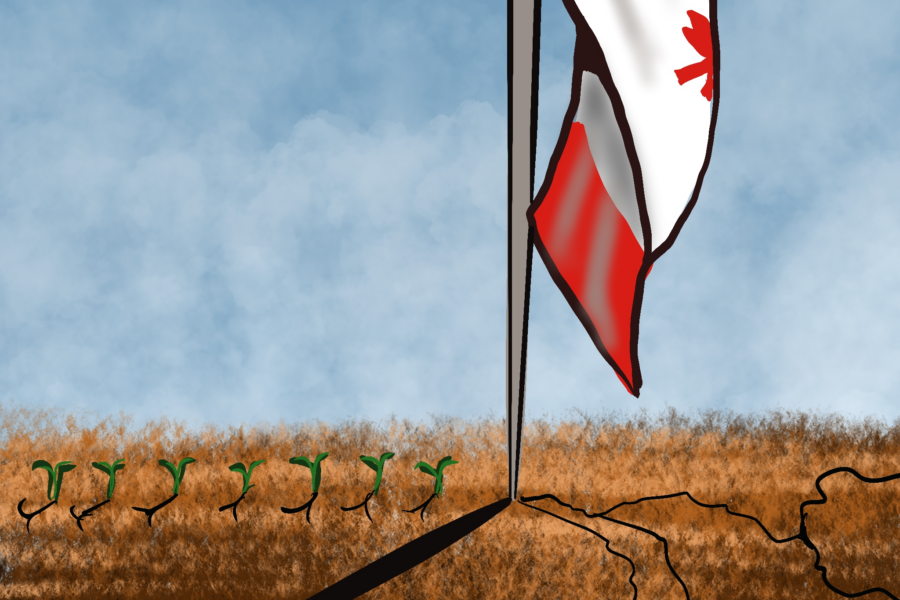
Many issues frustrate Indigenous people, but none quite like how our taxation rights - in other words our inherent rights - are constantly flouted by businesses, “adjusted” by successive governments, and just ignored overall.
And something must be done. We’ve waited long enough.
The Mohawk Councils of Kahnawake and Kanesatake have collectively failed in their duties to protect the people. And they aren’t alone.
It’s simple: Far too many of our rights are tossed aside as the MCK continues to play the waiting game, allowing Canada to dictate the pace while more and more issues, land back and fiduciary responsibilities that are supposed to be preserved for future generations stand still or reverse - as we all, impatiently, wait for real justice.
These chiefs must remember they’re mere community members like the rest of us. They are administrators of the community’s budget, among other things, but they hold the same weight as mom and pop Montour, Diabo or Nelson.
At least that’s the way it should be, but the Indian Act does a great job of breaking down our traditional, collective structure, and reduce us to crabs in a bucket, fighting for scraps, complete with a hierarchal system that is foreign to our traditional memories.
Getting land back (which we will cover more in next week’s editorial) is one thing, and it’s huge, but it does not affect everyone individually. You get land back, that’s amazing and crucial, but only certain ones will build on it and benefit from it, even if it adds to the collective land base.
Taxation rights, however, hit you smack dab in the face when you try to buy something online, in store, off-rez and in Ontario - a province which is a stark contrast in accepting our band cards compared to Quebec, a province that gets a failing grade.

So, what does a class action lawsuit look like? Well, for one, people are scared to do it because they see what happens if you lose. There have been many Native tax exemption-related cases, and they lost, because the legal system in Canada doesn’t want to set that jurisprudence.
Mostly, it’s because they have answered the question of where workers perform their duties - and since off-reserve is taxable in their minds, it’s a decree they steadfastly stand by.
People working off reserve shouldn’t be taxed no matter what, of course, since it’s all Native land, but that question amounted to low-hanging fruit for judges who decided they SHOULD pay tax; because under their system, off-reserve land is clearly defined and is cut and dried.
With land claims, traditional territories, and the utter lack of movement to reverse these tax judgments against us, we ask why should we pay tax to merchants who have built their businesses smack dab in the middle of the Seigneurial or disputed lands? Montreal, which is unceded territory? “Crown” land (which means our unceded land off-reserve)?
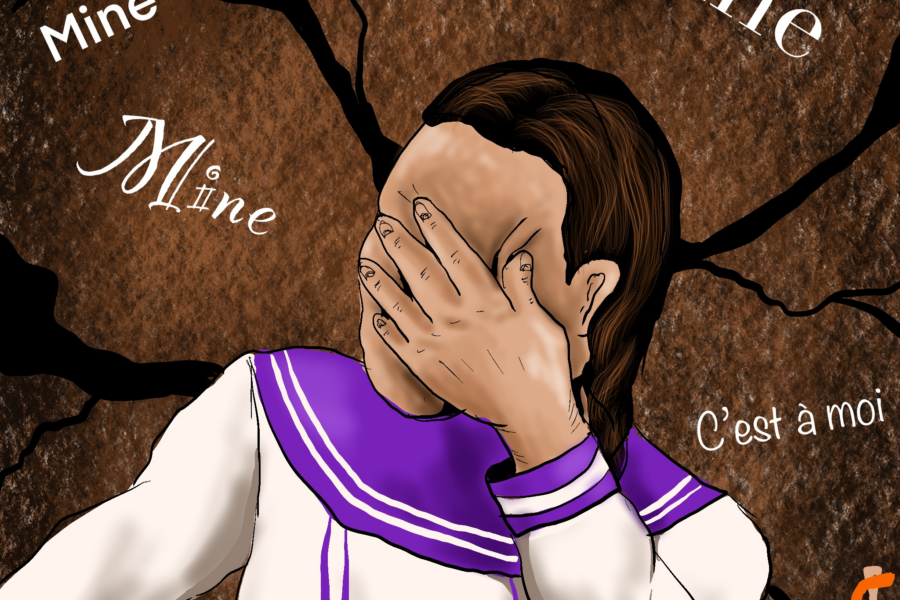
It’s all Onkwehón:we land and what would make this case different from the other cases is they generally agree we have this right - not to be paying tax to a foreign government. But they, meaning the government and outside businesses, still fight it because it’s all about money.
Derek White won his case and the government appealed. Sure, that was about tobacco taxes and a valiant effort to clear his name, but it has already helped other tobacco cases - and it will help those outside of the tobacco industry as well.
It wasn’t without pushback, however, including from our own. Don’t set the precedent, they said, that’s a Haudenosaunee Confederacy issue to fight - one involving collective rights.
But it they aren’t fighting it head-on and one man who has the means is attacked, is Derek White supposed to just take it and pay hefty, illegal fines?



He’s just one example. Others have been emboldened by his case and have won or will win because it’s now jurisprudence in Canadian courts, and can only potentially be overturned or quashed on appeal of his case - which is years away.
A class action lawsuit needs to move forward with the average person pushing it, and it needs to push through despite certain entities who might try to halt it in its tracks.
At the end of the day, it’s about money, and that’s why Quebec businesses and the government don’t just give in. They want more of it.
But what about our pockets, our wealth and success? We will have to fight for it.
The ones who empathize with us take some or all tax off our purchases because they respect our rights and want our business. It benefits us and them, of course, but they keep us happy and Indigenous customers keep coming - which makes them successful in the long-term.
Recently, the pool/hot tub store Piscine Hippocampe in Delson charged the author of this editorial tax after having respected those rights for years. Tricia Collier, Tax and Estate Planning advisor at Client-Based Services of the MCK, called and had the decision to stop taking the band card reversed, but upon speaking to the owner directly, he said they will now only take certain band cards - again, flouting more of our rights as the government picks and chooses how to apply its own laws.
He was dinged, he said, $40,000 by the Quebec government, who only agreed to pay some of that back to Hippocampe after being reminded an agreement is in place - on land under claim.
Many details and strategies would have to be worked out with a lawyer for a class action, one that is especially familiar with our rights, but why not try? Why not assert our rights and fight? Maybe just writing this editorial will encourage the MCK into looking back at the 10 agreements to firm them up and make them work more in favour of Kahnawake; but only fighting for town would be a mistake once again.
Sign up for email updates from The Eastern Door
Any tax exemption rights must include all Kanien’kehá:ka, all Onkwehón:we, and not just Kahnawake.
Either way, sitting on our hands and reminding stores of their legal obligations on a case-by-case basis, or hoping things miraculously change with politicians like uncle Francois (who is thankfully now gone), is a losing strategy.
Who will balls up and force change?
The time is now.
Steve Bonspiel, The Eastern Door