Q&A: Child welfare settlement opens
This week, the first stage of the claims process opened for a landmark class action settlement that seeks to compensate children and their families who were harmed by the chronic underfunding of on-reserve child welfare services.
The claims process will see $23.4 billion of compensation distributed to nine classes of people. On Monday, the claims process opened to the first two classes, which includes individuals who were placed in care funded by Indigenous Services Canada between April 1, 1991, and March 31, 2022, as well as their immediate family members.
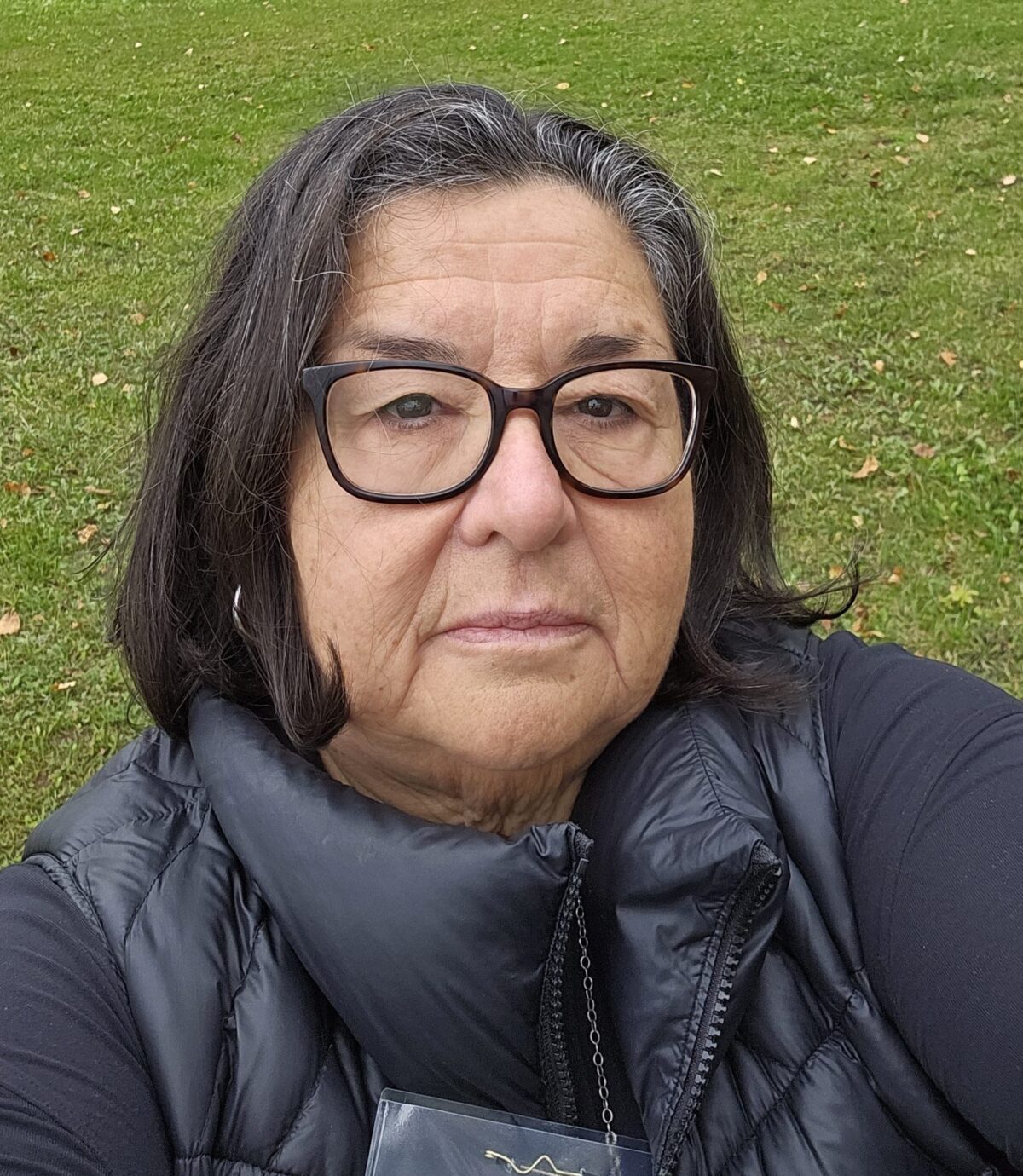
In Kahnawake, the claims process will be facilitated by Louise Mayo, who has been contracted by Kahnawake Shakotiia’takehnhas Community Services (KSCS) as the coordinator for the settlement efforts in town.
Each applicant is expected to receive $40,000 per claim, plus “enhancements” in cases where an individual’s experience meets specific criteria. As of now, there are no further details on what situations would meet that criteria, and a spokesperson for Deloitte, which will be managing the settlement payout, said that information around those enhancements will be shared at a later date.
Mayo was previously the claims coordinator for the Indian Day School Settlement and will be helping community members file claims. She’ll also continue to work on outreach efforts and information sessions as more details become available about the claims process.
The Eastern Door sat down with Louise Mayo to learn more about her role and what affected community members can expect from the process.

This conversation has been edited for length and clarity.
Can you share a little bit about your position as claims coordinator, and where it fits in relation to KSCS?
The first thing I want to start with is that I really want to make it clear that although KSCS has hired me, I am not an employee of KSCS. I’m going to be an independent contractor that will provide services directly to all the clients and families involved. I don’t have an office at KSCS, I don’t have their emails, I don’t have their phone number. I’m working one-to-one directly with community members.
It was made very clear when I took the contract that my role is independent. There’s no recording, files are kept confidential, and I just want to make that clear, so people understand that I’m in a very independent role and very much arms-length from KSCS.
What kind of a role will you have throughout this process?
I’ll be providing direct support to the children that were affected and their families, doing administration support and advocacy, and helping individuals who may need specific things, say if they need to get their ID or get a bank account opened up.

There’s three key things you need: an ID, a mailing address, and a bank account, so I’ll be helping people with that.
If someone went through the care system during this time period but have since passed away, would there be any avenue to still receive the compensation? What about for immediate family members of children in care, who have also since passed away?
There’s a process there, where an individual would have to be the administrator or the executor to that person’s estate to apply for that compensation.
If you pass away in a First Nations community, our estates are handled by Indigenous Services Canada (ISC). If I had a son, say, and my son passed away, I would have to apply to ISC to be the administrator to my son’s estate, had he not had a will. If he had a will and he appointed me, then I would have been his executor. So in the cases where an adult child is now deceased, or a parent or grandparent who is now deceased, the person would be required to have a copy of their appointment from ISC plus a copy of the death certificate.
If they don’t have the copy of an appointment from ISC, then I can assist community members to make that application. It’s easier when the person had a will because it clearly identifies who the person wanted to be the executor, but in many cases the family has to decide who would be the administrator, but that appointment doesn’t usually take too long.
How long will people have to apply?
Sign up for email updates from The Eastern Door
The settlement will be open for the next three years, and as it stands now my mandate will be three years.
Community members can contact Mayo directly at [email protected] or at 514-793-0662. Forms and information related to the settlement can be found at fnchildclaims.ca.