Wastewater services, inspections underway
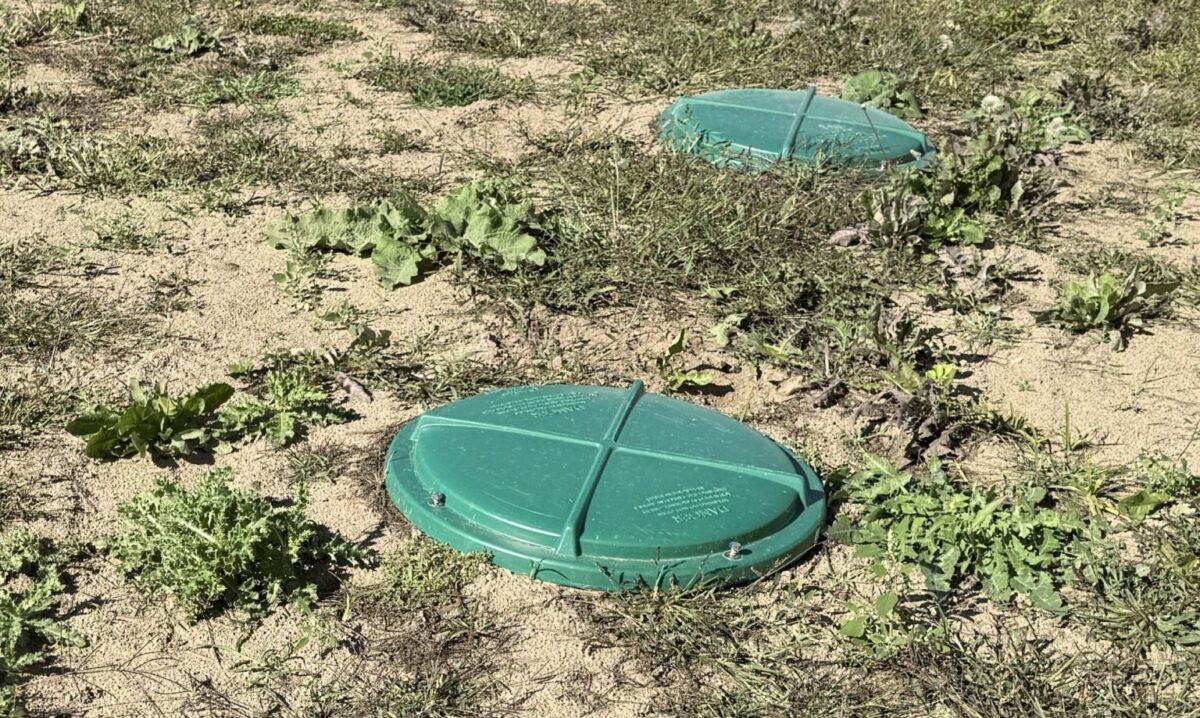
File photo
This week, the Mohawk Council of Kanesatake (MCK) restored septic tank emptying and water calls for Kanehsata’kehró:non, while an ongoing inspection project continues for the second year.
In August 2025, the MCK stopped paying for services to empty septic tanks or make water calls after funding ran out, an announcement made by administrative staff who worked during a political lull following the suspension of the local election.
Funding has now been restored after a request by the housing department was approved, said caretaker council member Brant Etienne.
“It was known that there was a need for this,” said Etienne.
“They took the opportunity to submit a project and we were fortunate enough that we got funded.”

It remains unclear how long the current funding for the services will last. But Etienne said the MCK’s intent is to continue these services.
“We will attempt to either keep the service going with that funding or see if there is other funding available to continue the service,” said Etienne.
Meanwhile, inspections of individual wastewater systems have begun for the second year, with a member of W8banaki and Kanesatake’s Public Works team working to locate, assess, and identify potential risks of privately owned septic tanks in Kanesatake.
The project’s aim is to secure funding from Indigenous Services Canada (ISC) for septic tank services and to fix or replace wastewater systems, according to a Mohawk Council of Kanesatake press release.
“We know that a lot of the wastewater systems are aging and probably need replacement,” said caretaker council member Brant Etienne. “Obviously having defective or aged or broken systems provides not just an environmental risk, but a serious health risk to the community. So, figuring out what the state of people’s septic systems is the first step.”



In a statement to The Pines Reporter last year, an ISC spokesperson said that the installation, operation, and maintenance of private infrastructure, such as septic tanks or individual wells, “remain the responsibility of the owners of those systems.”
The new funding that covers septic services does not take away from the survey project, said Etienne.
Kanehsata’kehró:non can expect inspection visits in the coming months, and inspectors inquiring about the type of septic tank, treatment system, and drinking water source on the property. Inspectors will also locate, measure, and test the wastewater systems.
It has been a long time since wastewater systems were evaluated in Kanesatake, said Etienne.
Assessing them is important because a malfunctioning or damaged wastewater system can leak sewage into the groundwater and contaminate the well water most locals drink. The study will help support a request for funding to cover the replacement or restoration of wastewater systems.
Sign up for email updates from The Eastern Door
“Sometimes if a septic system is backed up you might notice that your front lawn - or wherever the weeping tile is supposed to be - all of a sudden looks muddy, and you’ll notice a smell of sewage. And that’s dangerous,” said Etienne.
“That’s not only dangerous for the environment, it’s dangerous for the inhabitants of the house and anybody around. If you have literal sewage flowing in the ditches, that’s not safe. So that’s a public health concern, essentially.”
If a local refuses to allow access to their property, the press release stated “MCK may no longer be able to offer certain services, such as biennial septic tank pumping.”
Hadassah Alencar, Local Journalism Initiative Reporter