Septic survey underway
Marcus Bankuti The Eastern Door
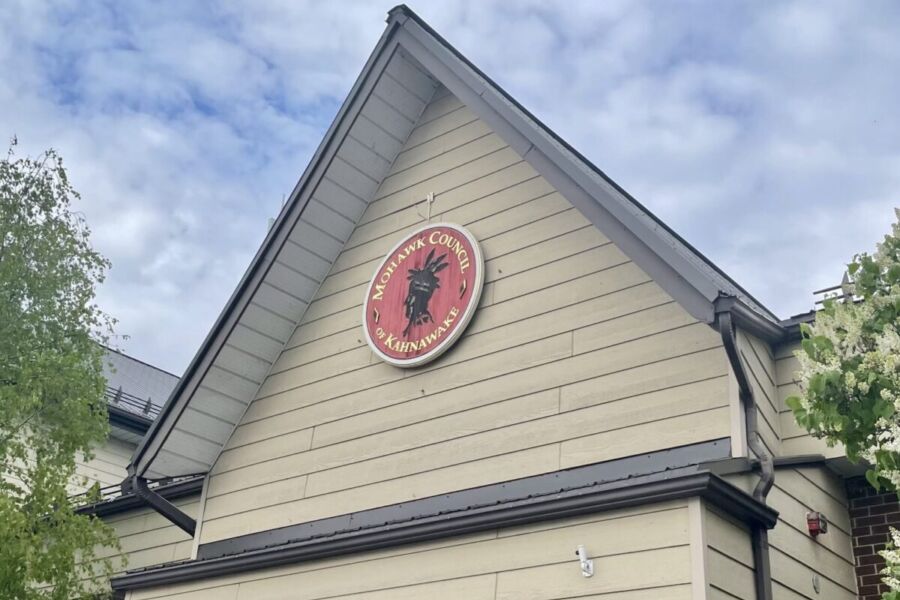
Inspections of wastewater systems in Kanesatake could lead to renewed funding for the management of septic tanks, according to a notice from the Mohawk Council of Kanesatake (MCK) this week.
Community members were upset to learn in August in an unsigned announcement that the MCK would no longer pay for services to empty septic tanks or make water calls, effective immediately. The announcement came on the heels of the surprise suspension of the MCK elections, with staff unsure whether the incumbent Council chiefs still held their positions.
That question has been clarified in the short term, with the Federal Court deeming the incumbent chiefs as a “caretaker council,” with a limited administrative mandate.
According to caretaker Council chief Brant Etienne, the survey was already in the works before the election.
“We can’t snap our fingers and have it all dealt with tomorrow, but the work is underway,” said Etienne, adding that he feels this project should be an uncontroversial one.

At the time that MCK staff announced the exhaustion of money for septic tank pumping, Indigenous Services Canada (ISC) told The Eastern Door that one-time funding for the preventative replacement of private septic tanks had been provided for a special project, but that this funding had expired.
It’s not something ISC typically provides funding for, the department said, adding that individual septic tanks and wells are the responsibility of the systems’ owners.
“Essentially, the information amassed from the survey will be used to submit another proposal to get funding to deal with the wastewater,” said Etienne.
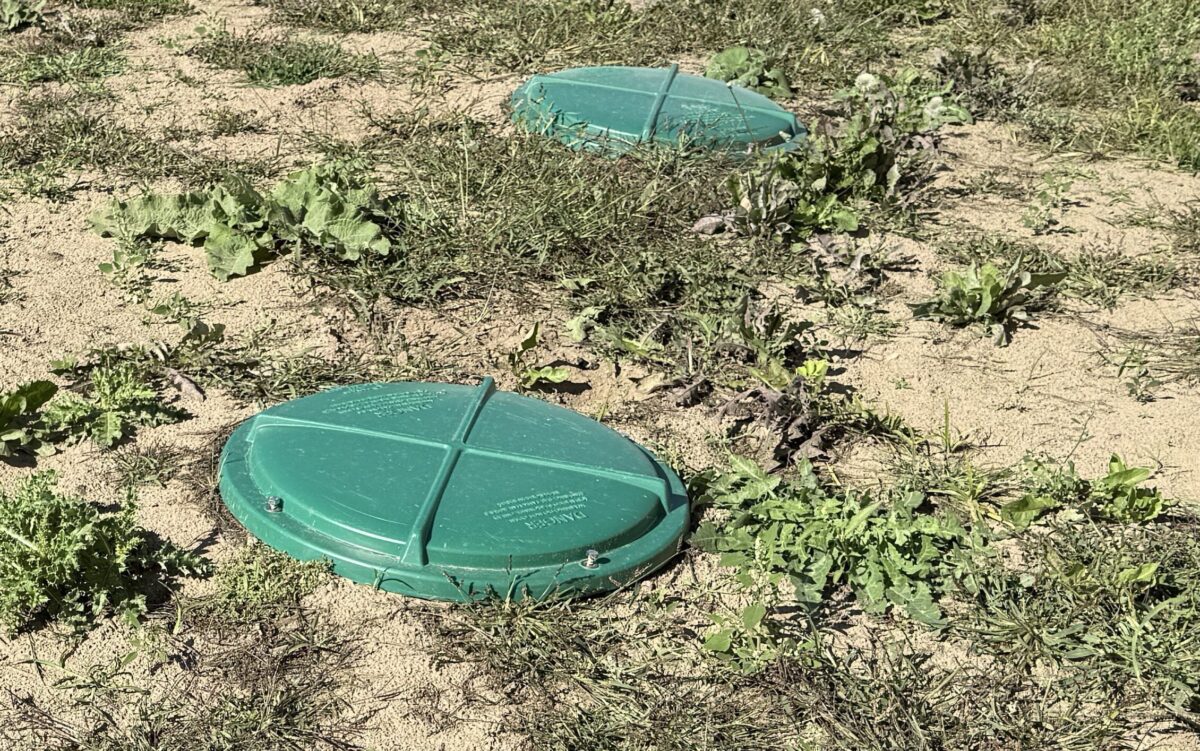
The inspections are being managed by the W8banaki Tribal Council, whose representatives will visit sites along with a Mohawk Council of Kanesatake (MCK) employee over the coming months. They will be looking for the location of wells, septic tanks, and leaching fields and assessing their condition and any potential health or environmental risks.
Residents can expect a week’s notice for the inspections, with the notice warning that if inspectors are turned away, it could undermine the MCK’s efforts to resume services like septic tank pumping.




Community members are also asked to complete a questionnaire about their systems.
According to Etienne, gathering information is necessary in part because the existing data dates back to 1987, making it no longer accurate.
Etienne believes the data could one day be used to help implement an aqueduct and wastewater system in the community, like neighbouring communities have.
Etienne said that in some of Kanesatake’s denser areas, with homes close together and septic systems and wells in close proximity, this kind of system is what’s needed, especially with the presence of a lot of clay in the ground.
“Water that would be grey water and normally soak into a leach field, sometimes it doesn’t soak as well and flows into wells and waterways, so that’s a problem and one we can’t fix no matter what, except with an aqueduct system,” said Etienne. “That survey and information we’re hoping can be used to show people the necessity of an aqueduct, because clean drinking water, it’s not just a luxury, it’s a right.”
Sign up for email updates from The Eastern Door
The highest priority in the short-term is to ensure dysfunctional septic systems and wells are fixed, he said, with cases already being brought to the MCK’s attention.
Marcus Bankuti, Local Journalism Initiative Reporter