Invasive species management plan underway

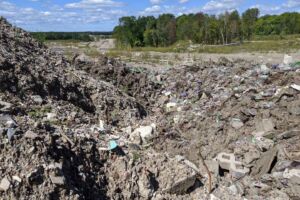
The pilot project is already underway, with the clearing of invasive species, including buckthorn. Pictured is a patch of land before (left) and after (right) the removal, which will allow native plants and wildlife to thrive. Courtesy Shawna Raymond
A new pilot project from the Kahnawake Environment Protection Office (KEPO) is aimed at protecting wildlife in the area from invasive species, with four different areas being monitored to track the long-term success of removal efforts in the community.
“Once we remove the bigger colonies, then we can start doing more management and maintenance, but we need to remove large colonies that are spreading first before we can get there,” said Shawna Raymond, the environmental projects coordinator for invasive species management at KEPO.
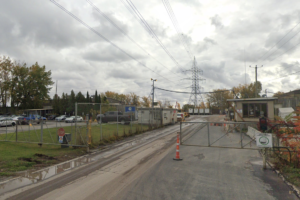
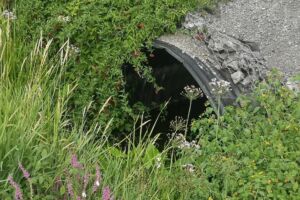
The two species being targeted are invasive buckthorn and phragmites australis, also known as the common reed. The buckthorn is located in the Big Fence area, with the reed removal being targeted along the North Wall, in a highway ditch, and within the wetlands on Tekakwitha Island.
In some of the wetlands, for instance, there’s more than nine acres of reeds that are causing significant damage to the area and ruining the habitats of wildlife.
The common reed grows in dense colonies that can span acres of land and water, choking out shorelines and pushing out native vegetation, causing extreme problems for wildlife that may lay eggs or swim in the area.

Raymond said she’s seen a turtle get caught in the reeds and die, and noted that overgrowth of the plant can cause issues in backyards and roadsides too, often growing out of control and blocking visibility as well as causing potential flooding.
The reeds are also extremely flammable when dry, so it’s important that overgrowth be removed for the safety of everyone, she said.
Removal methods will include manual removal, as well as the spraying of site-specific herbicides - Raymond said the herbicides used are of an extremely low concentration and are applied in isolated locations to ensure no damage to native plants.
It’s also the first time that KEPO has used herbicides in any of their projects, Raymond said.
“The main reason why we’ve resorted to using herbicides is because we’ve been trying to do manual non-chemical management plans for the last few years, and to be honest, they just haven’t been working,” she said. “We started to realize that it’s not realistically possible for us to manage acres and acres of phragmites colonies.”

Using herbicides isn’t the only tool that KEPO will use, and manual removal will still be used, but herbicides will help make the removal more feasible.
“It’s something that can help enhance the work that we’ve already been doing, but on a scale that’s simply not possible to do by hand,” Raymond said.
Soil sampling and vegetation inventories will also be conducted to monitor herbicide residue, and the results of those tests will be shared with the community in the coming months.
“This will hopefully help us find a more permanent solution,” Raymond said.
The pilot project will be taking place until the end of October, and community members may see increased activity from KEPO teams in the areas, which will be signposted for information purposes.
Sign up for email updates from The Eastern Door