Positive news on maple program
File photo
After alarming lead levels were found in maple sap on the grounds of Kahnawake Survival School (KSS) this spring, an analysis of syrup produced at the school has suggested the product was safe to consume.
The Kahnawake Environment Protection Office (KEPO) received results from nine syrup samples, six of which came from the school, spanning five production years: 2022-2026. The other three samples came from trees surrounding the new Kanatahkwèn:ke Cultural Arts Center.
“The Kahnawake Education Center (KEC) was reassured to receive the KSS maple syrup test results, which came back well within established safety standards,” said education director Falen Iakowennaiéwas Jacobs.
“While it was unfortunate that initial testing results and concerns led to the closure of the KSS sugar shack for this year’s sugar season, we felt it was important to take the necessary precautions at the time to ensure the health and safety of everyone involved.
“We are confident that, with these most recent results and additional preparations at the school level, KSS students will once again be able to enjoy a safe, positive, and hands-on learning experience collecting and processing maple sap in the coming year.”
The syrup’s lead content ranged from undetectable to 60 micrograms per litre, well under the maximum allowable limit - Quebec sets the threshold for lead in maple syrup at a maximum of 250 micrograms.

“It’s a little bit of a relief that in terms of consumption, it’s within acceptable limits, but the fact there has been detectable signs of lead is overall concerning,” said Mohawk Council of Kahnawake (MCK) grand chief Cody Diabo. “We still need to figure out and trace it back. Where exactly is the source coming from? We know when we get closer to the industrial area, it becomes more and more apparent.”
Besides the environmental implications, the most worrisome aspect of the finding in March that maple sap collected as part of the KSS sugar shack program was found to contain as much as 40 micrograms per litre, was the risk of concentrating the lead. Sap is concentrated 40 times when reduced into maple syrup.
In the worst case, this would yield a syrup containing more than six times what’s considered safe.
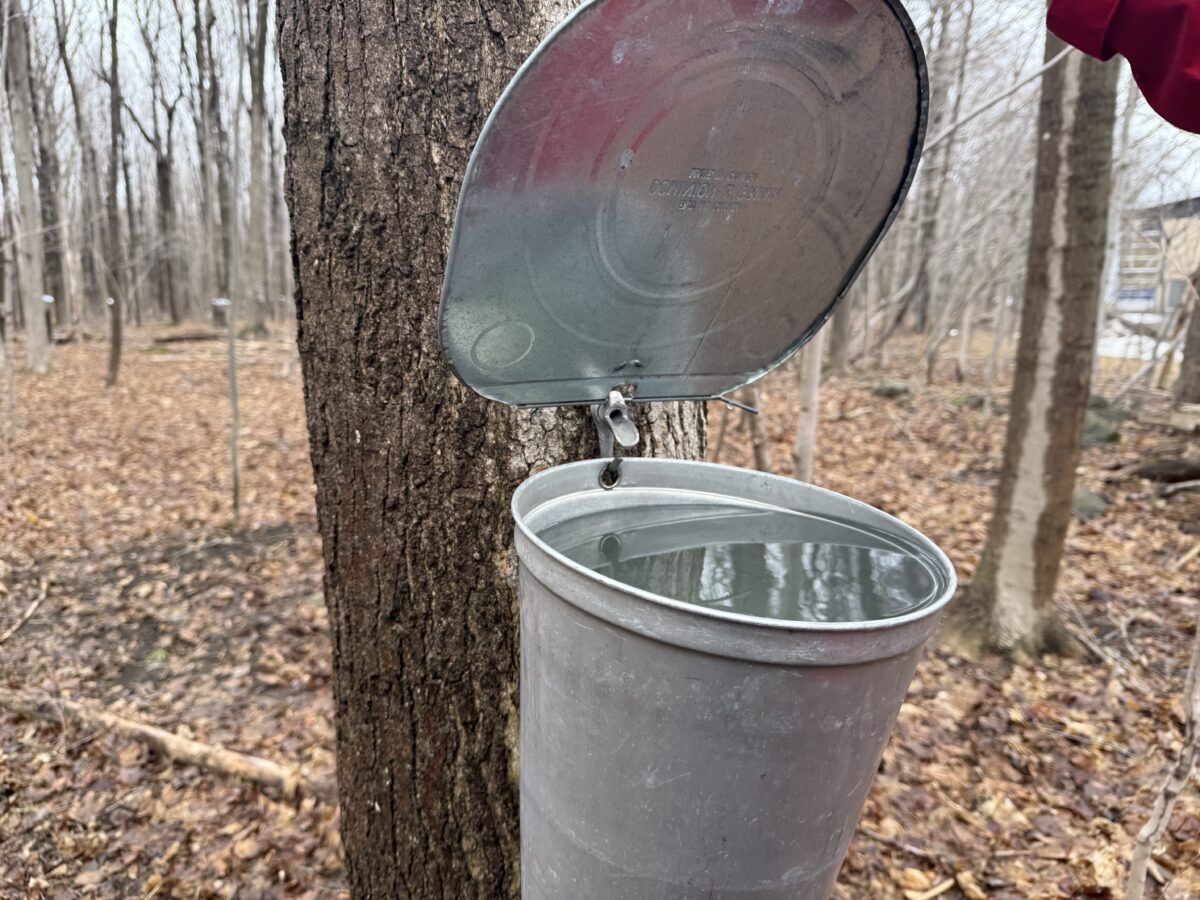
In April, KEPO announced lead had been detected in metal buckets and taps used for the collection of sap at KSS. Further tests continued to find lead, albeit at lower levels, in samples taken directly from trees with plastic taps or collected in plastic buckets.
In the latest MCK announcement, it was theorized that relatively low levels of lead in the maple syrup samples could be attributed to lead either not concentrating during the production process or being filtered to safe levels.
However, Diabo said any contamination is unsatisfactory.


“It should be almost lead-free, except for any type of natural occurrence. Any unnatural additions to it is definitely where we need to focus our efforts,” said Diabo.
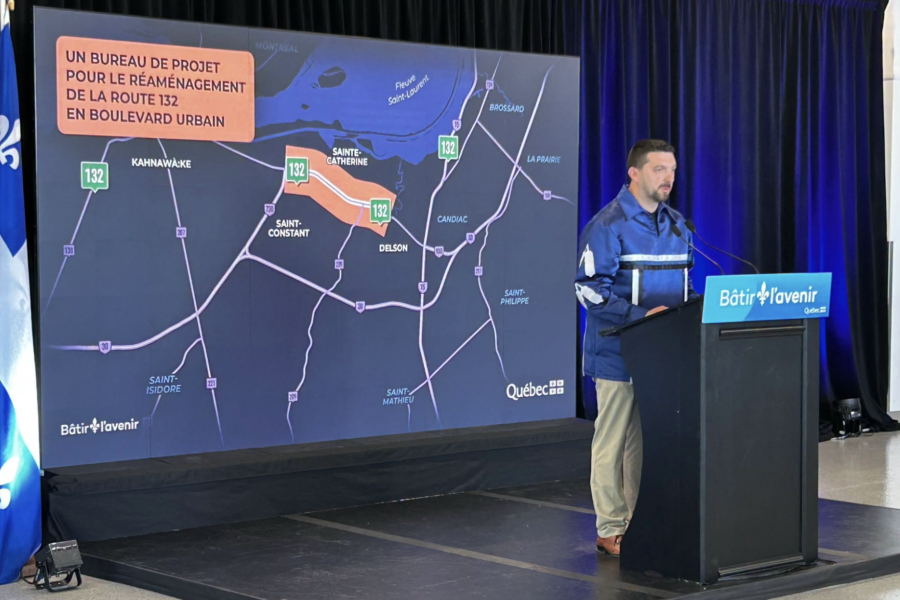
The problem was discovered amid a backdrop of anger about charges levelled against the Terrapure recycling plant in the Ste. Catherine Industrial Park, which, along with the city of Ste. Catherine, is facing dozens of charges under the Fisheries Act for allegedly dumping toxic water into the St. Lawrence River from 2020-2023.
These concerns were compounded after a Radio-Canada story that an unpublished health authority report had alleged issues with lead at the plant.
In the months since these discoveries, the MCK and other stakeholders have mobilized to collect as much data as possible about the condition of the land and air near the plant, which is less than a kilometre from KSS.
“It’s something that we still are really heavily investing in working on, even though this is a sigh of relief in terms of students or anybody ingesting it, which is good,” said Diabo.
KEPO is continuing to conduct tests for lead and cadmium, including around 200 soil samples that will be collected to create a detailed map of impacts, advanced air quality monitoring, and tests of water, medicines, and wildlife.
Sign up for email updates from The Eastern Door
Terrapure has previously told The Eastern Door that it operates in compliance with the law, pointing to the renewal of its permit in 2025.
Marcus Bankuti, Local Journalism Initiative Reporter