Federal budget prioritizes infrastructure
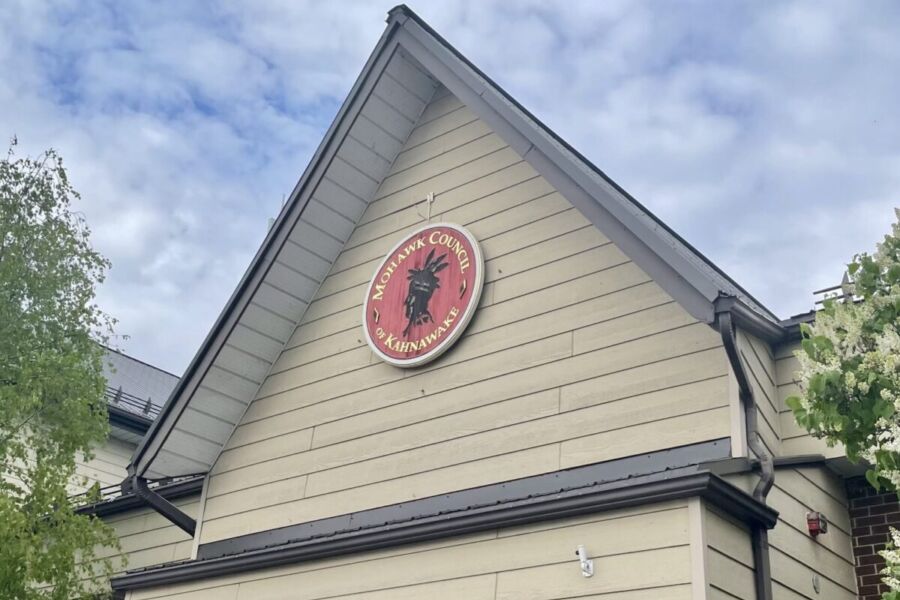
Despite cuts to Indigenous Services Canada (ISC) and Crown-Indigenous Relations and Northern Affairs Canada (CIRNAC) being less than expected in the federal government’s proposed 2025 budget, Mohawk Council of Kahnawake (MCK) grand chief Cody Diabo is still concerned that services community members deserve will continue to be underfunded.
Government departments have been told to expect a 15 percent slash in their budgets over the next few years, whereas for now, ISC and CIRNAC have been dealt a two percent reduction.
“Even two percent when you’re already underfunded is detrimental,” Diabo said.
The budget, which is titled “Canada Strong,” was presented on November 4, and will need to pass by 172 votes in the House of Commons.
Most spending priorities related to Indigenous issues include investment in major infrastructure and projects - in line with prime minister Mark Carney’s priorities in the “Building Canada Act,” which aims to fast-track those kinds of initiatives.

Many communities, including leadership in Kahnawake, have expressed concern that the legislation could spell trouble for First Nations across Turtle Island.
Just over $10 million over three years has been set aside within the budget for Indigenous consultations on fast-tracked national-interest projects, as well as $51 billion over 10 years as part of a “Build Communities Strong Fund,” which will see communities be eligible for community infrastructure project funding.
The budget also includes the expansion of the Indigenous Loan Guarantee Program, which has been doubled from $5 to $10 billion, which facilitated First Nations equity participation in major projects.
“I worry that they’re cutting funding to Indigenous community programs and putting money into these infrastructure programs so that we have to have them, so that we have no choice to support them,” Diabo said. “That’s my concern, and strategically if I was in their shoes, it’s how I’d approach it. It makes me wonder strategically, what’s their motivation for doing all of that?”
In contrast to the funding for infrastructure projects, the budget lacks funding in social areas - there are no investments in language, health, training, or Truth and Reconciliation projects.


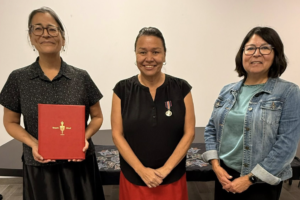
Diabo said that he won’t be intimidated by federal budget cuts when ensuring that Kahnawake’s needs are met, pointing to more than $300,000 worth of private school tuition that MCK footed the bill for over the summer in the absence of Jordan’s Principle funding for 25 Kahnawa’kehró:non with special needs. As of now, that amount is yet to be repaid by Canada.
“We don’t want to be waiting on the funding even though Canada has a fiduciary responsibility to fund us. I would rather do the stuff, get our people serviced properly, and then fight for the money back,” Diabo said.
He said community tolls are not off the table - the long-discussed idea of implementing tolls was brought up again before the budget was announced, when larger cuts were expected to ISC and CIRNAC budgets. Back then, MCK categorized the potential cuts as “racialized austerity measures.”
“If Canada still neglects paying their bills, then unfortunately citizens will have to bear the brunt of that at the end of the day,” Diabo said. “It’s not anything against the average person, but they should think about who’s representing them and who they elect to make the decisions that have resulted in this.”
The vote on the budget at the House of Commons is scheduled to take place on this Monday, November 17.
Sign up for email updates from The Eastern Door