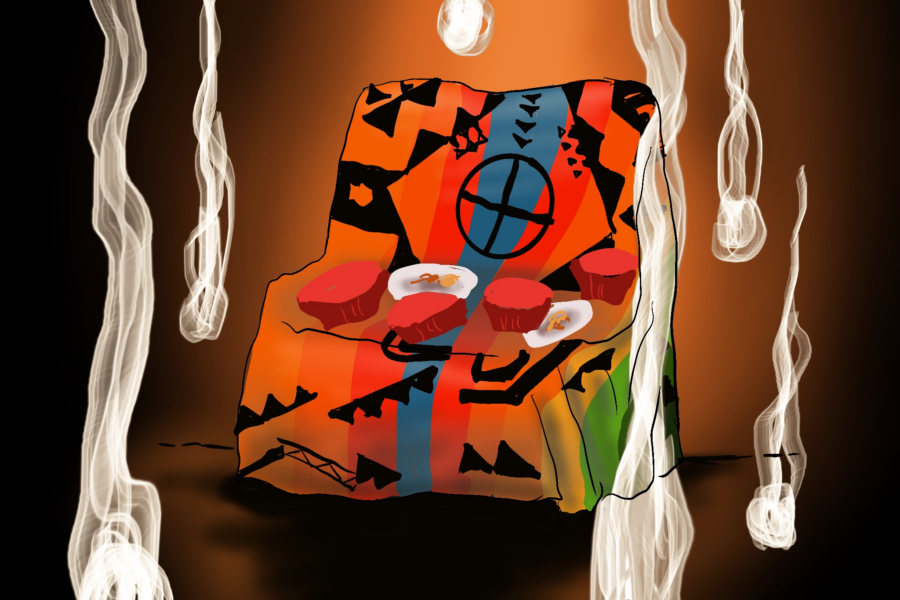
Still waiting for Red Dress Alert
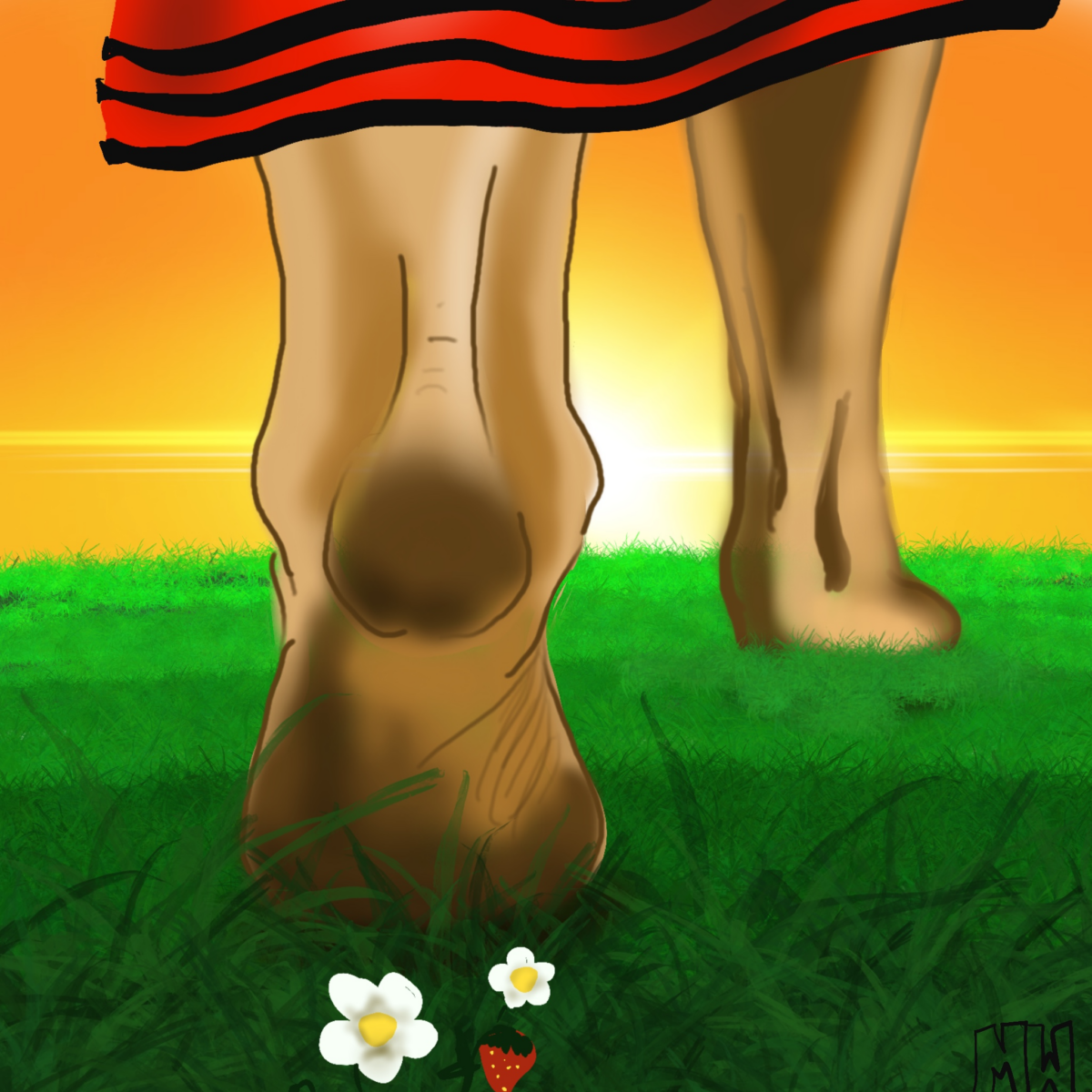
Megan Kanerahtenha:wi Whyte The Eastern Door
Not much has changed since we wrote an editorial called “Red alert for Red Dress Alert” two years ago. That’s not unexpected, in fact it’s by design, but that doesn’t make it any less upsetting, considering the scope and urgency of the issue of Missing and Murdered Indigenous Women and Girls and 2SLGBTQQIA people (MMIWG2S+), which is nothing short of a countrywide emergency.
Countless Indigenous families and communities have been devastated, including Kahnawake, where the loved ones of Tiffany Morrison have still never gotten answers.
It’s harrowing and maddening. The National Inquiry’s Final Report was released seven years ago, yet only two of its 231 Calls to Action are completed, and barely more than half (138) are in progress, leaving 82 that have not even been started.
As nice as it is that the government makes it easy to check up on the progress that is being made (or isn’t being made), transparency is no substitute for bold action. Sure, the government’s never been known for acting quickly, but you can bet if this were a true priority, a lot more would be accomplished by now.
While Canada may now recognize not one but two days a year (Red Dress Day, or the National Day of Awareness, on May 5, and the National Day of Action on October 4), the scourge of MMIWG2S+ is simply not being treated with the urgency that’s needed and called for, despite so many Indigenous advocates working tirelessly for change.
In 2024, the government announced it was committing funding - not enough - to an alert system, similar to the Amber Alert, for Missing and Murdered Indigenous Women and Girls. But rather than mobilizing to implement this system off the bat, only a pilot project was embarked upon, with a measly $1.3 million in funding over three years.

The press release that announced the project noted that Indigenous women, girls, two-spirit, and gender diverse people are 12 times more likely than non-Indigenous women in Canada to go missing or be murdered. Yet while this should be all the information that’s needed to go full speed ahead in providing all the support that’s needed, apparently it’s not.
Why is the delay in a countrywide system necessitated by a regional pilot project even needed? After all, the Indigenous-led Unama’ki Alert System, which covers five Mi’kmaq communities, has been in place since 2020 and been widely praised as a success that has potentially saved lives.
Why was this not sufficient as a model?
The regional pilot project, jointly funded by Canada and Manitoba and being developed through Giganawenimaanaanig, that province’s MMIWG2S+ Implementation Committee, is already two years underway.
Now, this week, the government has announced a funding boost of $300,000.
Seriously? That’s barely a downpayment on a Montreal triplex, let alone a figure that inspires much confidence that a Red Dress Alert is being pursued with even a fraction of the ambition that prime minister Mark Carney calls for when it comes to pushing through infrastructure projects.



To be fair, this week the government also announced $2.6 million for the National Family and Survivors Circle, which aims to center families and survivors in the Calls for Justice implementations. The press release also boasted other investments, like Indigenous-specific shelters and transition homes, which are also important steps, since unstable housing only makes women and gender-diverse people more vulnerable.
Nevertheless, you can’t help but look at the scope of actions being taken and conclude that it’s not even close to enough.
In response to a question from The Eastern Door this week, a spokesperson with the Crown-Indigenous Relations ministry acknowledged this project’s potential to save lives and said it could lay the groundwork for other alert systems across Canada.
But where are plans for a coordinated national system, so that no matter where a person goes missing, the infrastructure will be in place to mobilize the region to protect them?
Awareness is important, but when the Canadian government and its relevant ministers publish a statement saying, “On this national day of awareness, we honour the lives lost and we stand with the victims, survivors, families, and communities who continue to lead with strength,” it’s critical to acknowledge that honouring lives lost means doing everything in your power to make sure it never happens again.
That’s easier said than done because there are many systemic reasons that Indigenous women and girls are at such an elevated risk for violence. Many of these are rooted in historical injustice – genocide, land theft, and more.
Sign up for email updates from The Eastern Door
But while this calls for social overhaul, instead we so often see an instinct to protect the status quo, with solutions merely nipping at the edges of real change.
Meanwhile, the demands for justice from Indigenous communities are only growing, led by advocates such as Mohawk Council of Kahnawake (MCK) chief Melanie Morrison, who was at a National Summit in Ottawa this week for MMIWG2S+, where she presented prime minister Mark Carney with a sacred bundle.
It’s because of Indigenous advocacy that this issue is on the agenda, and it is Indigenous voices who are keeping it there.
Solutions must be Indigenous-led, but the government needs to take responsibility for doing everything it can to recognize that MMIWG2S+ is a scourge that is multifaceted, and which needs to be treated like the emergency that it is - and that means finally confronting a host of injustices, unfolding over centuries of indifference and violence, that make Onkwehón:we vulnerable.
Marcus Bankuti, Managing Editor
Steve Bonspiel, Editor/Publisher