Still early stages for Terrapure file
Marcus Bankuti The Eastern Door
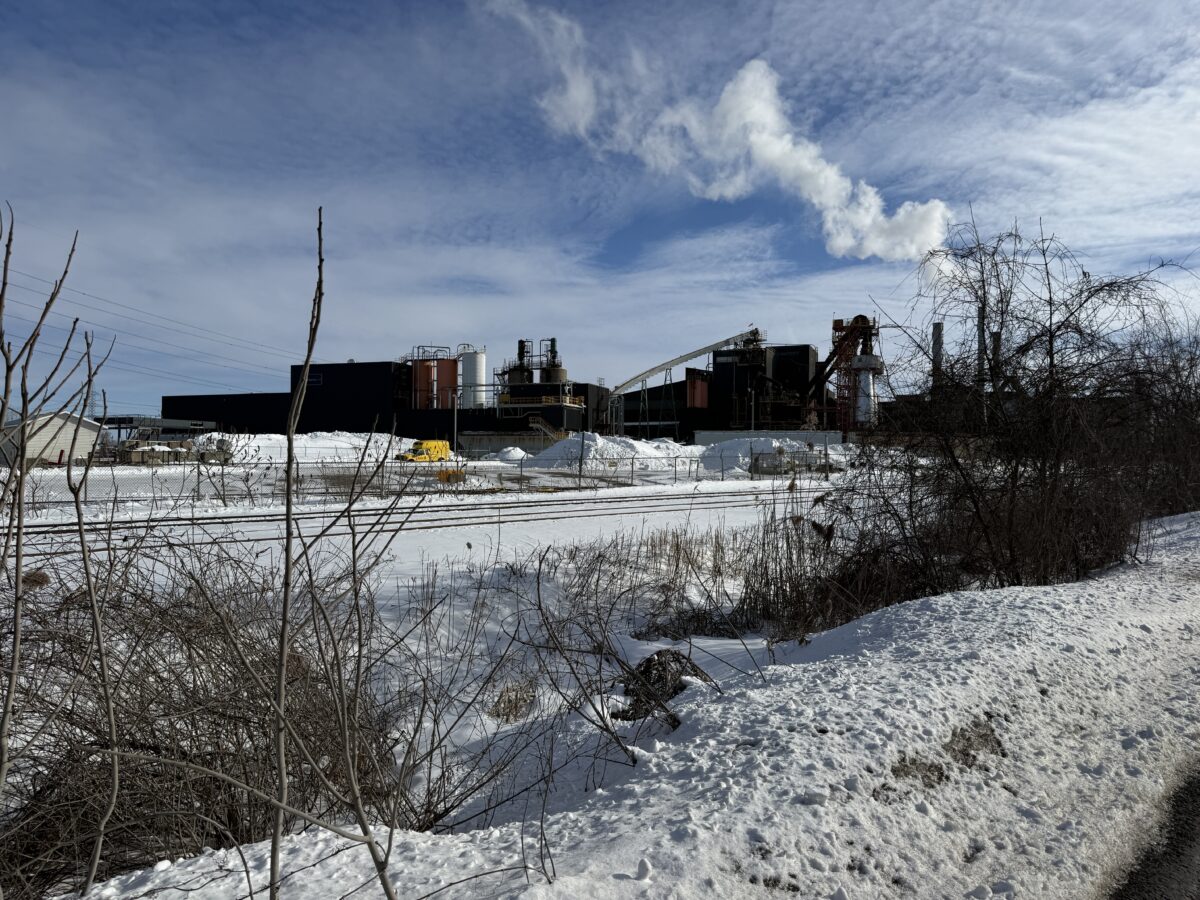
No decisions were made at a special closed community meeting called by the Mohawk Council of Kahnawake (MCK) to discuss the Terrapure recycling facility that sits on the boundary of Kahnawake and has recently come under fire for alleged environmental infractions.
“You don’t want to show your hand right away before you’re ready,” said MCK grand chief Cody Diabo, adding the MCK wanted to be prepared for where the conversation may go. “Finding the right balance in making sure everybody’s informed and keeping the media informed for sure, and also not laying our cards all on the table.”
However, the conversation mostly centered on information gathering and analysis, and only around 10 people attended the closed meeting. No decisions have been made at this time about any potential litigation, according to Diabo.
“We’re discussing different things,” Diabo said. “We’re keeping the community updated there. We’re trying to get a way to reach everybody to get a broader sense.”
Kahnawake is still working to get a complete picture of the environmental impact of the plant and its activities, with new techniques on the horizon, including an X-ray soil sampling technology called XRF, which can provide real-time results without causing damage.
This will be used to evaluate potential contamination in a radius in that area, which will show how any contamination diminishes over a distance.
Diabo emphasized that the Kahnawake Environment Protection Office (KEPO) is asking community members who fish to provide samples, especially of walleye and sturgeon, for testing. These fish should still be safe to consume, he added, since the organs where heavy metals accumulate are generally not eaten.

The MCK also used the meeting as an opportunity to go over the timeline of allegations against Terrapure, which faces more than 50 charges under the federal Fisheries Act for alleged incidents between 2020 and 2023, including the discharge of toxic water into the St. Lawrence River.
Initially, Kahnawake was left in the dark about the charges, as well as those against the city of Ste. Catherine, which faces nearly 40 charges of its own for allegedly permitting the activities.
Ste. Catherine has taken steps to bring Kahnawake into the loop after a rocky start and has promised to work with the community to protect residents, while Terrapure has insisted it operates within legal guidelines in comments to The Eastern Door in recent months.
The MCK’s concerns have only continued to grow since the news broke of the charges, which were filed in October 2025 but only came to light last month.
Since then, Radio-Canada revealed that unpublished reports from the Monteregie health authority and Quebec’s labour standards commission pointed to concerns about workers at the plant being exposed to lead, which is unsafe in any amount.
After that, an accidental spill of up to 1,000 litres of process water in a battery breaking plant reservoir into a Ste. Catherine storm sewer on January 29 also alarmed MCK chiefs.
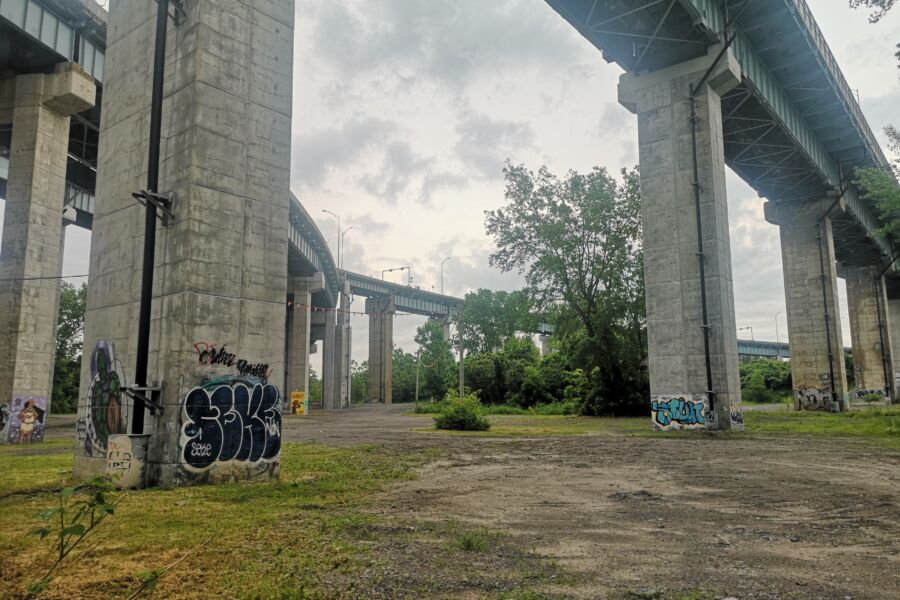
The plant has long been on MCK’s radar. The Ste. Catherine industrial park where Terrapure operates, which is adjacent to the old Kahnawake Survival School (KSS) site, is blamed by the MCK for ground contamination that forced the school to relocate. In recent years, Kahnawa’kehró:non have blamed the plant for air quality issues in the area.

According to Diabo, the MCK will also be implementing new air testing techniques, including the potential presence of lead, since the monitors in place are limited in what they can detect.
Mounting concerns about the Ste. Catherine industrial park in addition to other incidents, like the Chateauguay fuel spill in 2024, have led MCK grand chief Cody Diabo to adopt the position that industrial activity should be shut down in the Seigneury of Sault St. Louis land grievance area for the time being, especially near Kahnawake’s current boundaries. He said this is supported by the community.
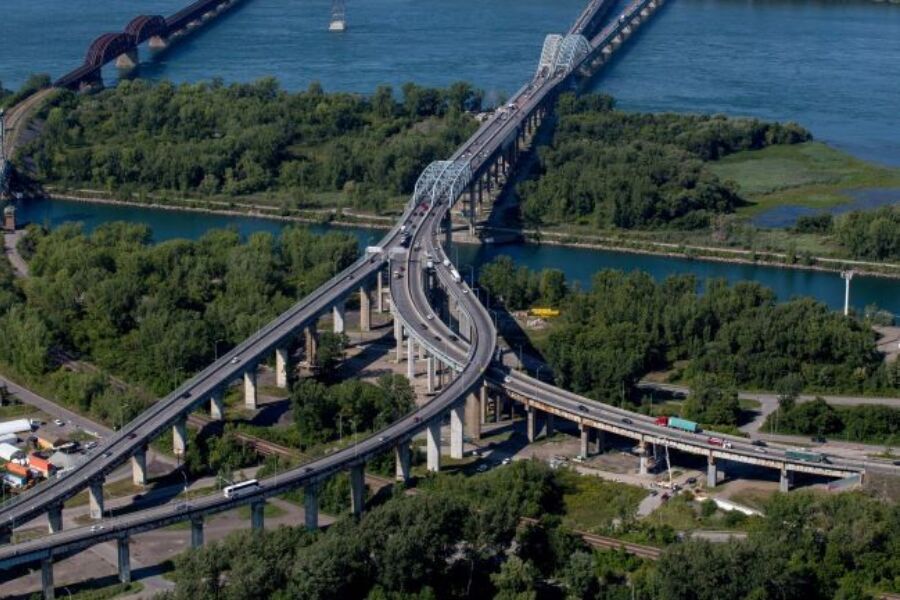
“People are very concerned with the impacts Kahnawake faces with all development around us,” said Diabo, noting that it’s not just industrial facilities but infrastructure like the Mercier Bridge and Seaway that mean Kahnawake gets more than its share of traffic of all kinds.
“From what I’m hearing from community, it is ‘what is all of that impact having on our health overall?’” said Diabo.
The MCK is currently consulting with Onkwata’karitáhtshera about historical health data in the region. There are efforts currently underway, Diabo said, to persuade Monteregie Public Health to leverage its powers to channel resources to assist Kahnawake in gathering and analyzing health data about exposures.
“If you disrupt and destroy the environment, it affects human health at the end of the day,” said Diabo.
“People feel you can do whatever you want for the economy and the environment will just have to adapt. It’s only in the 21st century since the industrial revolution that we’re realizing all of the impacts we’re having on the planet.”
Sign up for email updates from The Eastern Door
Diabo said there will be more community meetings in the future as the situation develops.
Marcus Bankuti, Local Journalism Initiative Reporter