The sap still flows

Megan Kanerahtenha:wi Whyte The Eastern Door
Wáhta season, the time when maple sap flows. It carries powerful cultural significance, and has nourished Kanien’kehá:ka since time immemorial. It heals, it calls for ceremony and thanksgiving.
It’s no wonder that Kahnawake Survival School, which places such emphasis on channeling cultural education in its curriculum, has eagerly encouraged its maple program to flourish.
The thought of the community’s youth set free amongst the trees, exploring their own school’s sugar bush, producing beautiful syrup and learning about their culture? It’s hard to think of something more heartwarming than that.
As many as 150 Kahnawake Survival School students take part in the program each spring, whether collecting sap, processing it, or even just learning the language.
This is one reason, but far from the only one, that it was so disturbing to learn that the same sap the community’s youth have worked so hard harvesting and processing has been shown to contain excessive levels of lead.
Parents are worried. Kahnawake’s children are not just potentially consuming this stuff - lead has well-established health risks - but spending their days on the same land where this sap was harvested, land that is the birthright of these students, but which colonial governments, companies, and individuals insist on trampling on like its theirs.
Kahnawake’s political leaders and environmental experts are not currently concluding that industrial activities near Kahnawake’s borders are to blame - more investigation is needed, they say - but there is no doubt that these activities were what motivated the tests.

Terrapure, which operates just on the other side of Kahnawake’s current boundary and has irritated the community for years, was charged under the Fisheries Act, essentially accused of dozens of instances of allegedly dumping toxic waste into the Seaway. But these charges were not conveyed to Kahnawake - Council read about it in the news like everybody else, despite the potential impacts.
Kahnawake had barely begun to contemplate the potential impacts of this on traditional activities like fishing, and to process its anger over yet another potential environmental catastrophe, when the news came out that an unpublished Monteregie health authority report pointed to lead concerns at the plant.
And now this, putting community fears on overdrive.
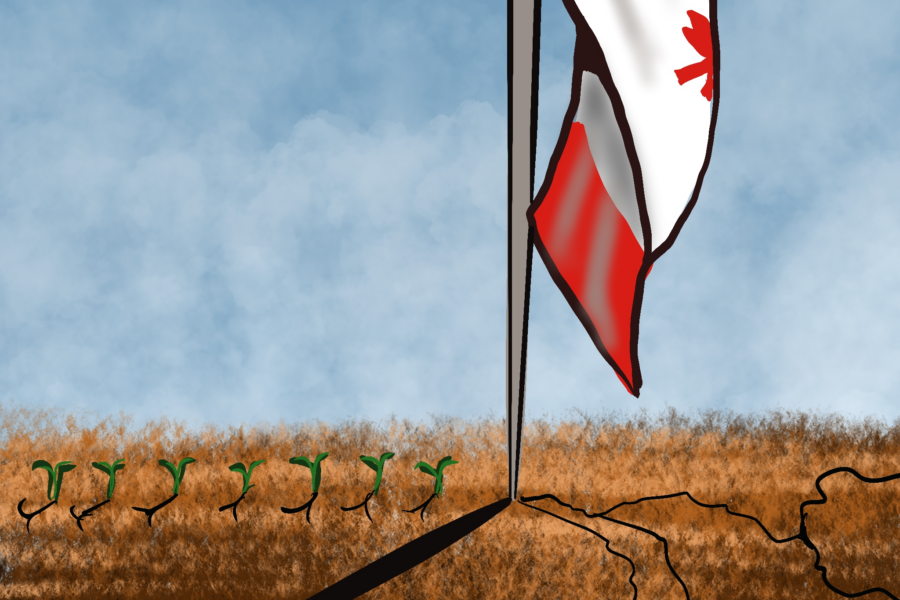
It’s not just the Terrapure plant, of course, that is causing concern. There is a well-established pattern of Indigenous communities like this one being thrown under the bus when it comes to deciding where to put potentially harmful facilities, and there’s a word for it: environmental racism.
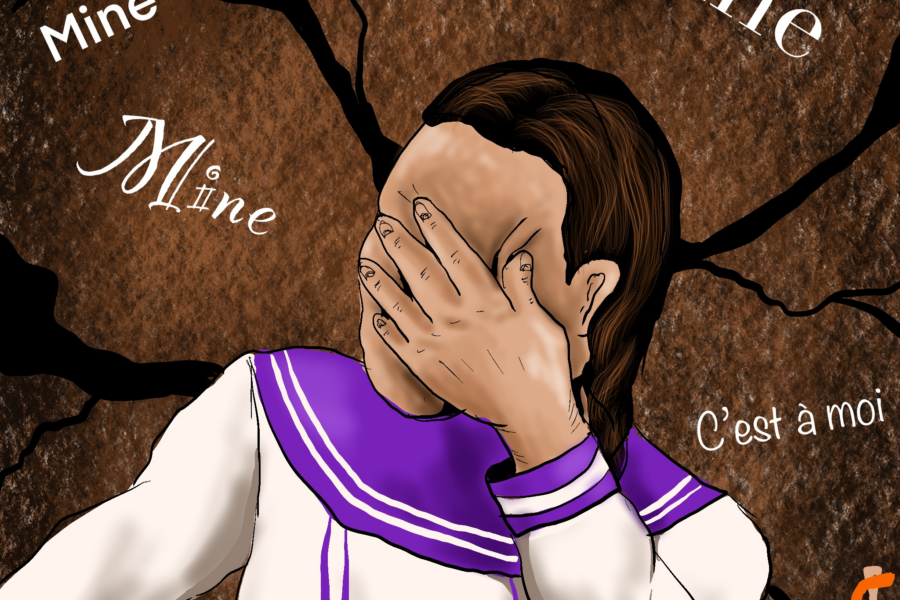
What else can you call it when Kahnawake Survival School has to tear down and build up again down the way because of contamination in the ground? Of course it’s not the nearby industries that need to move, even if they’re on traditional territory that Kahnawake should still possess, let alone have a say in.
It may be too soon to say why elevated levels of lead were detected in the school’s maple sap, but it’s not too early to say enough is enough, Kahnawake shouldn’t have to live in fear of the outside world’s indifference to the community’s health and territory.
But, like the sap still flows - as KSS’s principal put it to The Eastern Door this week - so do Kahnawake’s efforts to turn the tide.


It’s still wáhta season, and the lessons and ceremony are every bit as relevant as they would be without contamination worries.
And right next door, the Kanatahkwèn:ke Cultural Arts Center stands tall and proud, ready to welcome community members and those from outside communities with an open mind to come and hear Kahnawake’s history - the real history - and to see artifacts of Kanien’kehá:ka culture and the living embodiment of the culture that thrives today under the same roof.
March, most closely associated with wáhta, gives way to April this week, and with it comes Cultural Awareness Month, organized by the Kanien’kehá:ka Onkwawén:na Raotitióhkwa
Language and Cultural Center, which began moving into its new home in Kanatahkwèn:ke this week.
The same week saw National Indigenous Languages Day, which falls on March 31. Kahnawake can be proud of the progress it has made in recent years to ensure that Mohawk is never again called an endangered language, regardless of pressures from Quebec to put a second colonial language above the one that matters here.
The Eastern Door is doing its part, publishing an article fully in Kanien’kéha every April issue, including our Mohawk front page (still to come), as is tradition, while Sharing Our Stories is going strong in our pages, serving as a learning tool and a way to preserve elders’ stories for generations to come.
We also have a Kanien’kéha words page each week, to help community members learn from home.
Sign up for email updates from The Eastern Door
Kahnawake has a right to a healthy environment, and so much more, and we can only hope that irreparable harm hasn’t been done.
Outside forces that pollute and degrade Kahnawake must be held accountable, and fast. The government needs to step up and recognize systemic racism - of which environmental racism is a part - and explain how they’re going to make it right, including finally tackling the hard work of meaningfully addressing Kahnawake’s longstanding land grievances.
And recognizing that consultation doesn’t mean “Hey, by the way, we’re doing this.”
Maybe even humbling themselves and realizing they too have something to learn from our community’s cultural values, including respect for the sanctity of the environment.
Until then, the sap still flows.
Marcus Bankuti, managing editor
Steve Bonspiel, editor/publisher