Rise up against bullying
It’s not our first time writing about bullying this month, but it’ll be our last.
That’s not because bullying has finally been vanquished, of course, but simply because it’s the last day of February. The reality is, we’re pretty sure we’ll be back to tackling the subject again soon, because it’s a message most people can agree the community and the world need to hear.
That’s because bullying is everywhere we look. But this week saw one of the most hopeful events on the calendar, with the last Wednesday of each February being Pink Shirt Day, an occasion for reflection and standing up for others.
Pink Shirt Day comes just once a year, but it’s no wonder it resonates so widely - it’s a youth-created initiative, and that’s one way it’s so genuinely hopeful.
You probably know the story by now, but in case you don’t, it all started when some high school students in Nova Scotia noticed a younger peer getting bullied for wearing a pink shirt.

Whereas many stay silent in the face of bullying, these courageous youth decided to take a stand and say enough is enough. The next day, they brought 50 pink shirts to hand out at school, showing the bullied student they were accepted, and Pink Shirt Day was born.
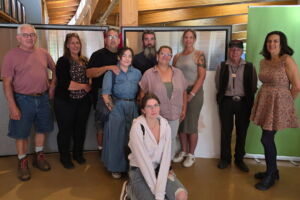
While youth are leading the way when it comes to changing the narrative on acceptance and belonging, it’s no secret bullying is a problem in local schools and other institutions geared toward the school-aged among us. Kateri Memorial Hospital Centre (KMHC) used Pink Shirt Day to remind the community of statistics in the Community Wellness Plan illustrating this fact.
Kahnawake was shocked recently to learn of a bullying incident between young children at the Sports Complex that was filmed and shared, but a full one-third of the community’s youngsters aged 5-11 have reported facing bullying, according to those statistics.
It’s heartbreaking to think of young children being teased, humiliated, and shamed. We all crave love and belonging, and it’s one reason bullying exists in the first place, because people want to feel like part of the in-group, and it’s also why it is so painful.
For many, the hurt of being victimized by bullying can last much longer than childhood, setting folks up for a lifetime of personal struggles, like poor self-esteem. It’s yet another reason it’s so crucial that us adults take responsibility and do everything we can to practice what we preach, including treating our own children well so they don’t feel the need to lash out, but also setting an example about how to treat others.





In addition to the bullying that has always been around, the current generation of youth also has to contend with the advent of cyberbullying. While this has existed for decades, it’s only ramped up in the Web 2.0 era, in which myriad social media platforms are as close to us as our phones are.
A fifth of youth 12-17 have experienced this kind of online bullying, an alarming stat, and it can be relentless. But protecting youth from cyberbullying has so much more to it than making an effort to be aware of your child’s online life.
Online bullying is everywhere, and many adults are guilty of it, even if they might not think of it that way. Sometimes it takes the form of petty cruelty, but it can also take the form of righteous indignation that might not be so righteous, especially not when it spills out as hateful vitriol.
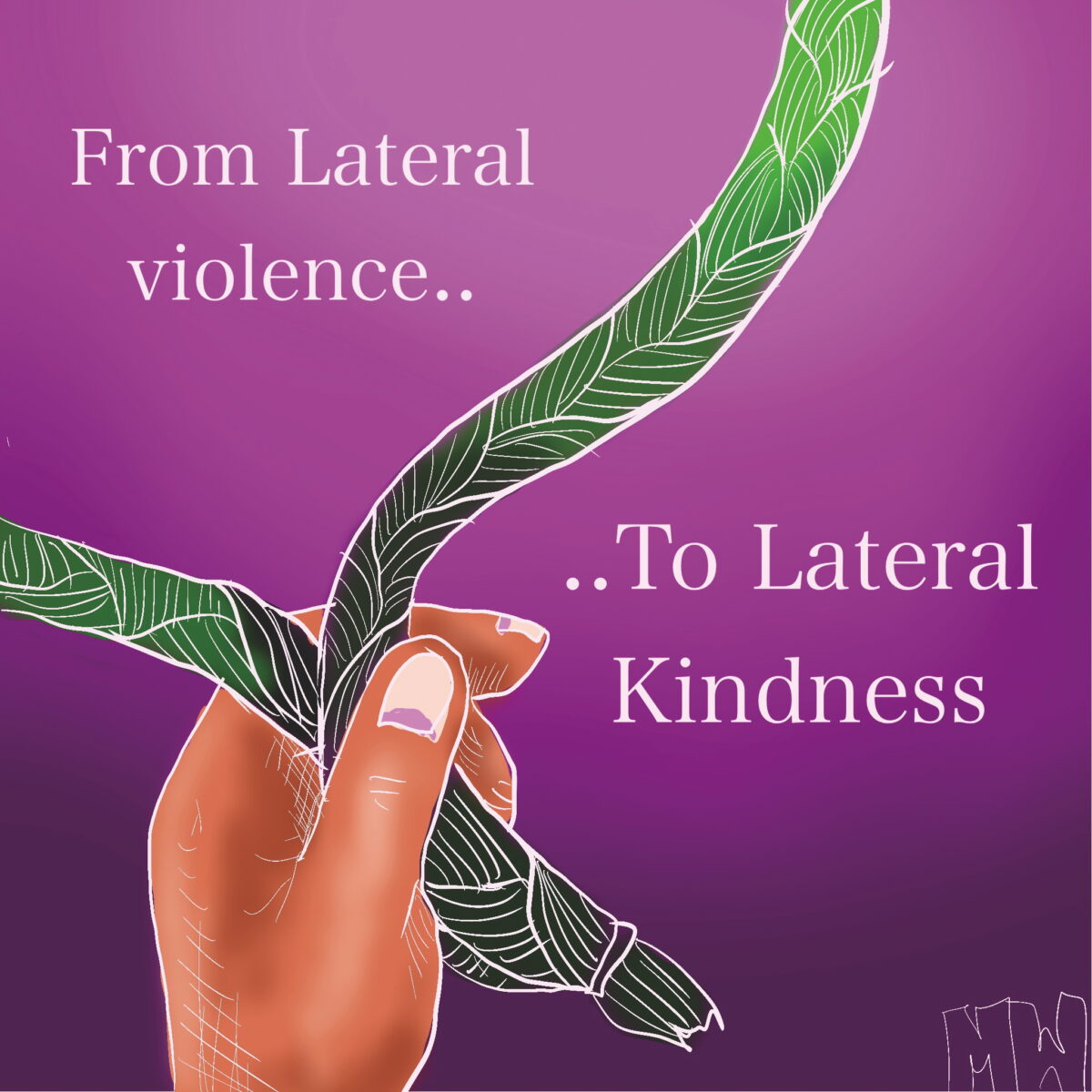
Case in point, just a few weeks back we wrote about our difficulties intervening in an instance of lateral violence against someone we care about on the Mohawk Council of Kahnawake’s own Facebook page. It took days for the MCK to see a despicable comment as lateral violence, but finally they agreed, which just goes to show you why zero tolerance for bullying is the only path forward.
Lateral violence is linked to intergenerational trauma, and that means healing is another crucial way of confronting bullying. Fortunately, wellness has become a huge priority in Kahnawake, and we hope to see this progress continue.
Sign up for email updates from The Eastern Door
Likewise, strengthening Kanien’kehá:ka identity and cultural values are another important pathway. Afterall, these are important tools in fighting against colonialism - one of the ultimate examples of bullying.
Bullying can take so many forms. It can be perpetrated by people you like and care about - friends, neighbours, and family members, to name a few. And anyone can become the target.
Bullying will never end until each one of us looks in the mirror and asks how our actions are hurting others, because nobody’s perfect, and we all have our blind spots and prejudices, even if some have much worse than that.
Sure, we can all be guilty, but the good news, as Pink Shirt Day shows us, is that people are hungry for change and positivity. So let’s celebrate the youth, who dream of a world better than the one they were born into and ask ourselves every day - not just the last Wednesday of February - what we can do to support them.
TED Staff