Seeds of Hope roundtable returns
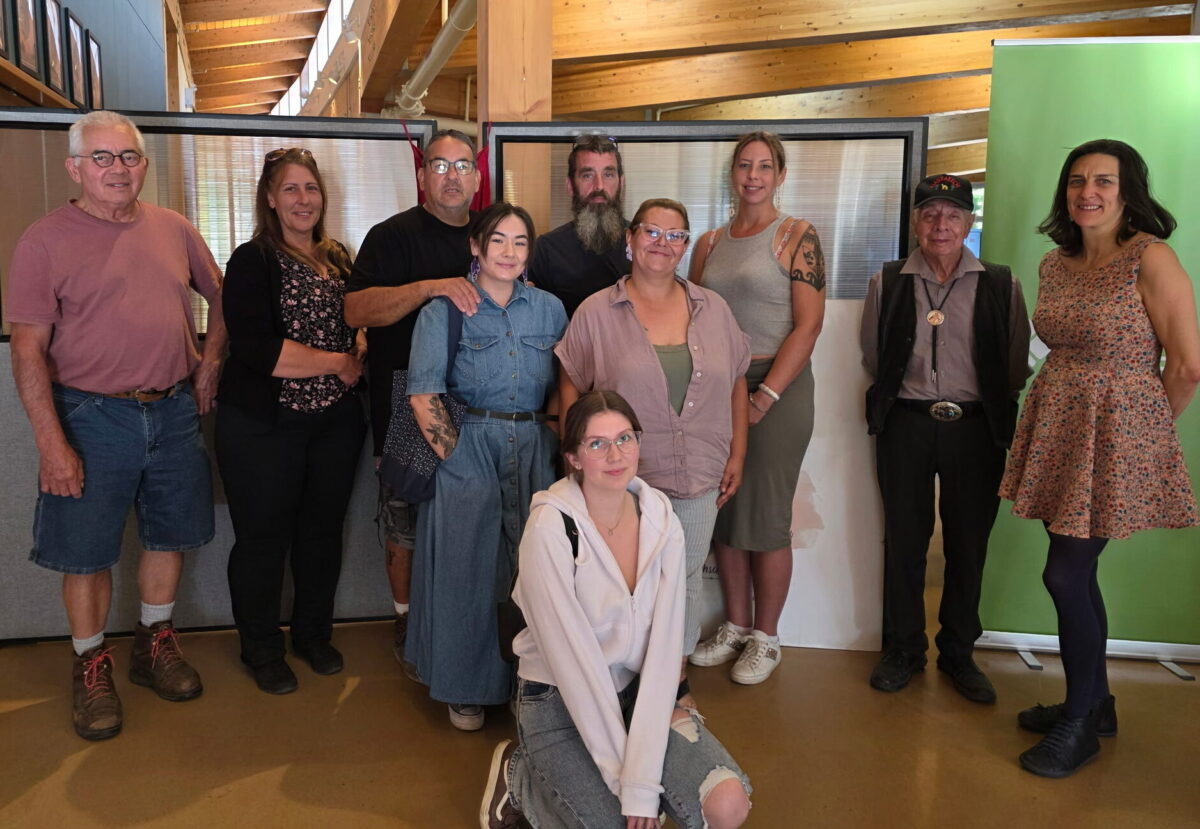
On October 4, community members, farmers, health leaders, and knowledge keepers gathered in Kanehsatake for the Seeds of Hope Roundtable, partnered with the SaluTERRE Alliance regional tour. Hosted at Gardens of Hope, the event explored soil regeneration, sustainability, and the importance of reconnecting with traditional agricultural practices.
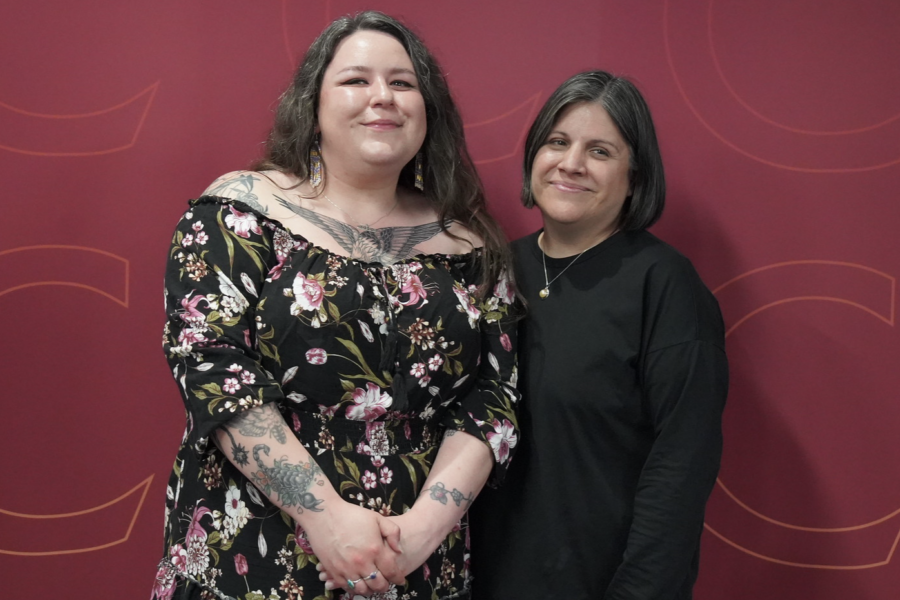
The gathering was animated by Karyn Murray, co-organizer, who emphasized the value of creating a safe, community-based space for dialogue. “I thought it was a good idea to be able to bring all walks of life together and ponder some questions of farming nature,” Murray said.
“Our people were the first ones to introduce colonizers to our way of growing food. Now, as the world looks away from pesticides and synthetic fertilizers, people are rediscovering the benefits of Indigenous methods like the Three Sisters planting.”
Unlike formal panels, the Seeds of Hope event took the form of a grassroots roundtable, encouraging open conversation among participants. Attendees included representatives from farms, environmental management, health services, and local families.
Among them were Kaysun Oke, who has a Home Farm, and Jeremy Teiawenniserate Tomlinson, executive director of the Kanesatake Health Center.

The day opened with a prayer from Harvey Satewas Gabriel, followed by a traditional song, setting a reflective tone.
For Murray, the roundtable was about more than farming; it was about connecting generations through land-based knowledge.
“The aim of this, for me, is to get the youth involved, interested and getting their hands in the soil,” she said. “Farming is a safe place where we can discuss things outside of politics and focus on sustainability, health, and community.”
She noted that Gardens of Hope, launched in 2020, has grown beyond food production. “It has become a community space for healing, learning, and reconciliation. People come here not only to grow food but to reconnect with each other and with the land.”
For Jeremy Teiawenniserate Tomlinson, agriculture and health are inseparable. “There are so many important determinants of health attached to agriculture and traditional practices,” he said. “The connection to land, purpose, food and nutrition, as well as active lifestyles. It’s an integral part of our culture and a key factor in restoring our relationship with the land and our environment.”


Tomlinson noted that the Kanesatake Health Center has partnered with Gardens of Hope and other initiatives to strengthen this connection. “We had a community garden space, farm-grown food giveaways, and perhaps most importantly, programs connecting children to the land. Through a school partnership and summer day camp, kids learned planting, growing, harvesting, bee keeping, and even animal care. These experiences root them in culture while promoting health and well-being,” he said.
He also highlighted the importance of gatherings like Seeds of Hope for the broader public health conversation: “We need to continue the conversation on why agriculture has an important place at the table when we speak about public health. For meaningful healing and change to occur, agriculture must be part of the conversation.”
The Seeds of Hope Round Table offered participants a chance to share hopes and concerns.
Kaysun Oke reflected: “I’m thankful to have been part of it. I was happy to sit amongst other people from my community that shared their thoughts and perspectives on a topic that concerns us all. It’s always a good feeling when you share concerns and hopes in a positive, safe place. For me, it means connecting my kids to the earth, taking care of it, and learning together.”
Murray envisions the roundtable as a starting point. She hopes to expand with workshops, youth programs, and even a “seed-to-table contest” guiding young people from planting to harvesting to food preparation. “It’s about igniting the youth to start gardening at home, with their families. It’s healthy, educational, and deeply rooted in our traditions,” she said.
Sign up for email updates from The Eastern Door
Tomlinson sees gatherings like these as essential for shaping sustainable futures: “It requires a substantial culture shift. Culture shapes our lifestyles, and lifestyles determine our health outcomes and longevity. Our traditional culture holds all the tools to ensure our people thrive in life. A meaningful return to tsi niionkwarihó:ten would not only ensure sustainability, but also substantial health benefits.”
For Murray, the vision is clear: “I just hope to continue carrying the message of hope and to see our community grow at its own pace. Everything happens in its own time. With the youth, with the land, and with one another, we can create a sustainable future rooted in our ancestral ways.”