Remembrance, reflection, renewal
Megan Kanerahtenha:wi Whyte The Eastern Door
Orange Shirt Day, also known as the National Day for Truth and Reconciliation, means so many things at once. That it has two names is just one window into that reality.
After all, one day is hardly enough to honour residential school survivors and the children who never came home, let alone to educate, to heal, to learn, demand justice, and do everything necessary to ensure an atrocity like the residential school system never happens again.
The orange shirt, as we all know by now, comes from the story of Phyllis Webstad. Her orange shirt, a gift from her grandmother, was taken from her on her first day at residential school when she was just six years old, never to be returned.
It’s no wonder this story has resonated so widely. In this instance, it was an orange shirt, a reminder of someone who loved her, that was taken as she embarked on those lonely years. But, as we all know, the theft that occurred at these schools went so much deeper, which is why the orange shirt has become a symbol.
Being denied her colourful shirt taught Webstad that her feelings didn’t matter, and made her feel worthless, a feeling that stuck with her for decades, a feeling she has said sometimes rears its ugly head even to this day.
That’s one reason why Orange Shirt Day, named for Webstad’s story, is one of the most visible monuments to resilience that we see. The orange shirt was taken by a system designed to steal what mattered from Indigenous children, and now the orange shirt represents reclaiming and protecting it, wearing it loud and proud.

It’s disappointing to see so many walking around the street in Montreal not heeding the call for orange on September 30, one of the easiest ways possible to convey solidarity, but there are increasing numbers of non-Indigenous folks showing up, and we hope to see more still.
Yet there are many reasons to hope. Not long ago, children in the country that perpetrated this injustice were educated without even a mention or thought of the reality of the residential school system - many adults report having grown up never even knowing it existed. Now many schools and streets are seas of orange on September 30.
So much has changed over the years, with residential schools finally known to the general public. Even in Kahnawake, many children of residential school survivors say they have gained a better understanding of what their parents went through, since so many came home not wanting to talk about it.
It’s not just individuals, of course, but families and whole communities who are still dealing with the scars of a system that somehow was allowed to exist for well over a century - not just allowed to exist, but systematically designed to rob Onkwehón:we of the languages and ceremonies that are a birthright.
Intergenerational trauma is a tragic reality, and a major reason is Canada’s legacy of shunting Indigenous children off to residential schools to be dispossessed of their identities and everything that mattered to them.
This trauma is not confined to a day; it demands compassion all year. Neither is the fight limited to one day. The fight is all year long.

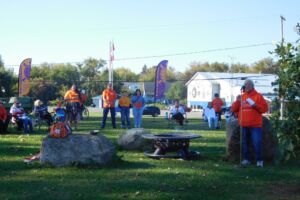
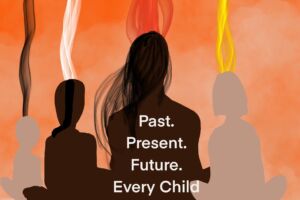
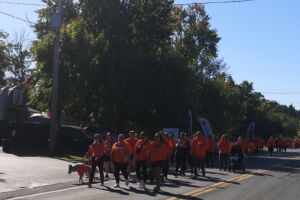
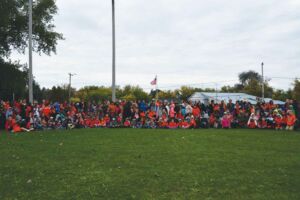
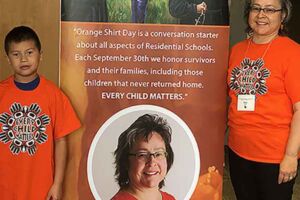
That’s why September 30, for many, is reserved for healing and remembrance, even hope.
After all, to see children running around, laughing and smiling, at Kahnawake’s Orange Shirt Day event, is heartwarming. It gives us hope.
It’s an opportunity for survivors and their families in the community to connect, to share, or just say hello, and September 30 gives space for this crucial moment. Our hats go off to the women responsible for bringing this event to the community in the relatively early days of 2015. After all, this was only two years after the creation of Orange Shirt Day.
It was only in 2021 that the government caught on and recognized it as the National Day for Truth and Reconciliation, even as its answers to the calls of Truth and Reconciliation still have a long way to go.
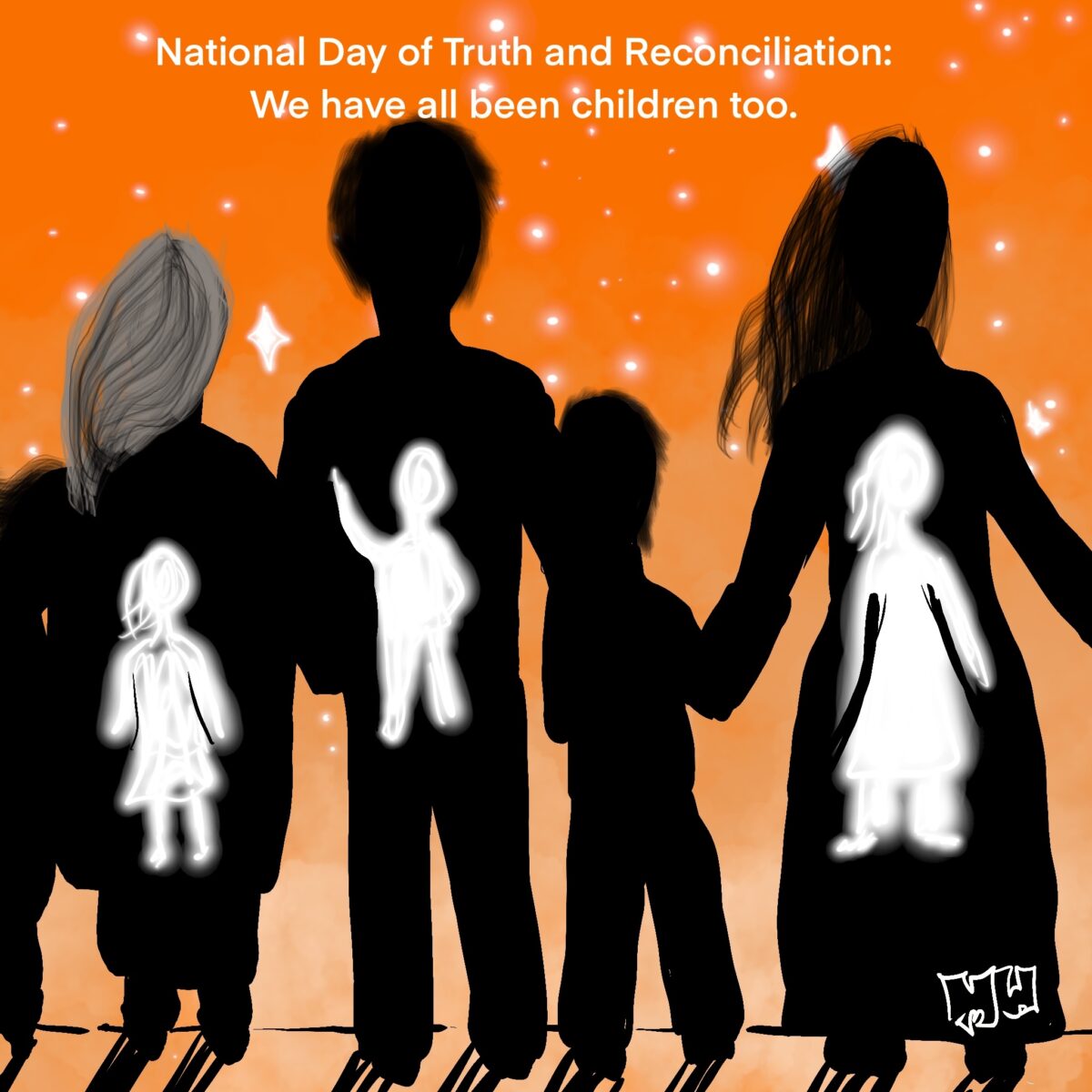
The important thing to remember about the day, no matter what you call it, is that every child matters. To us, that includes those who were once children, which is to say, everybody. Compassion and understanding are two of the best-worn avenues to change.
Reflection is such an important part of Orange Shirt Day, and that’s why we’ve asked in our past editorials that week, does every child matter to you?
Sign up for email updates from The Eastern Door
This is a question we all must ask ourselves, because children are always listening, always watching, always learning, and every single one of them deserves to grow up healthy and happy, and until that day, our collective work is not done.
Nowadays, the day is a holiday in much of the country, which is perfect for reflection, for honouring survivors and those who didn’t come home.
It’s not the case in Quebec, unfortunately, and that brings shame to the province’s overseers, but it’s no surprise from the government that still won’t acknowledge the existence of systemic racism.
One day, this day must be honoured from coast to coast to coast the way it deserves, but it’s already a sacred thing, encapsulated by one of the most important phrases you could ever hear: every child matters.
TED Staff