Summer Student Scoop: Finding your path in higher ed

Courtesy Canva
Although summer remains in full swing, it’s never too early to begin thinking about the future. Whether you’re entering your final year of CEGEP, entering grade 12, or thinking of going back to school after taking some time off, it is important that whatever avenue you decide to pursue is the right one for you.
Coming from someone who changed paths three times, I truly believe that it’s never too late to get an education. I know just as well as anyone the importance of finding an educational path that not only looks right, but feels right.
Aiming to attain a higher education while dealing with the effects of colonialism can be difficult. I remember feeling very unsure of my place when first attending school outside of Kahnawake.
Many people don’t understand the feeling of wanting to maintain ties to your culture and community as you progress to the next steps of your life.
However, what you might not know is that many higher education institutions in and around the Montreal area offer support systems and services specifically catering to Indigenous students and their needs.
As I started to look at various universities, I realized that although every institution is different, something they all have in common is an effort to create a safe learning environment for Indigenous students.

Many of these schools recognize that there are financial barriers and other circumstances that may prevent Indigenous students from succeeding within a post-secondary education and offer extensive resources that aim to help Indigenous students succeed.
McGill University is home to the First Peoples House, a place where people with Indigenous status can come together. They hold various events throughout the semester, including various ceremonies, such as the scarf ceremony and guest lectures, including Kanien’kehá:ka elder Amelia McGregor and Mike Standup.
McGill also holds an annual powwow for Indigenous students at the beginning of the fall semester, featuring over 50 vendors from Indigenous communities surrounding Montreal.
Concordia University has many services available for Indigenous students. It’s home to the Otsenhákta Student Centre, a resource center for First Nations, Inuit, and Metis students, giving them a place to study.
In addition, Concordia University’s Kaié:ri Nikawerá:ke Indigenous Bridging Program aims to allow Indigenous people to get ahead of their education through weekly seminars that allow the transition process into higher education both smooth and attainable. It’s currently open to people aiming to get their degree in engineering, science, commerce, psychology, and journalism.
Since 2019, Bishops University has an Indigenous Student Success Center (ISSC). Located at Kwigw8mna on ancestral W8banaki territory, it serves as an extensive access of services to Indigenous students. including a kitchen area, and a library.

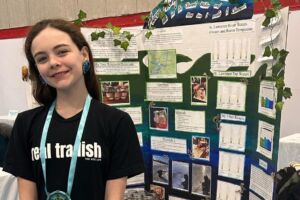

Although I ultimately decided to attend Syracuse University, primarily because of the limitations brought on by the implementation of Bill 96, I’ve been able to make a home for myself there.
Syracuse University, situated on Onondaga land, is a private institution, known in Kahnawake for the Haudenosaunee Promise Scholarship. The school recognizes that there are many educational and financial gaps, so the scholarship is a way to bridge these gaps by giving Haudenosaunee students the ability to attend a private institution many would never have the opportunity of attending.
The Indigenous Students at Syracuse (ISAS) program allows Indigenous students, both part of the Haudenosaunee Confederacy and outside, to network with one another and learn about each other’s cultural traditions.
Often thought of as a home away from home, ISAS allows for Indigenous students to receive a higher education while still upholding traditional cultures and values through the various events and workshops hosted throughout the academic year, including their own movie screenings, parties, and socials.
Throughout my time so far at Syracuse, I’ve participated in various workshops through the Indigenous Students at Syracuse program. Many of these events have food, so having the opportunity to be able to try all different kinds of cultural foods was nice as well.
It is also home to the Native student house, located at 113 Euclid Avenue, and I was able to make friendships that will last a lifetime.
Sign up for email updates from The Eastern Door
Additionally, Syracuse University holds an annual graduation ceremony specifically for Indigenous students, giving them the opportunity to celebrate their achievements, while maintaining their culture.
Each educational institution offers Indigenous-focused scholarships, giving students ample opportunity to reach their educational goals, while relieving some of the financial burden that comes with higher education.
I must admit that while writing this, I’ve been reflecting on the importance of choosing an institution that not only supports you physically and mentally, but also one that feels welcoming and supports you academically, whether it be close to home or away.
So regardless of whether you decide to join the cheerleaders supporting Otto’s Oranges or become a part of the crowds cheering on the Bishop Gaiters, reading about the services that various schools offer to Indigenous students is crucial to celebrating your achievement, and ensuring your educational journey is successful.