One year on: Little movement in case
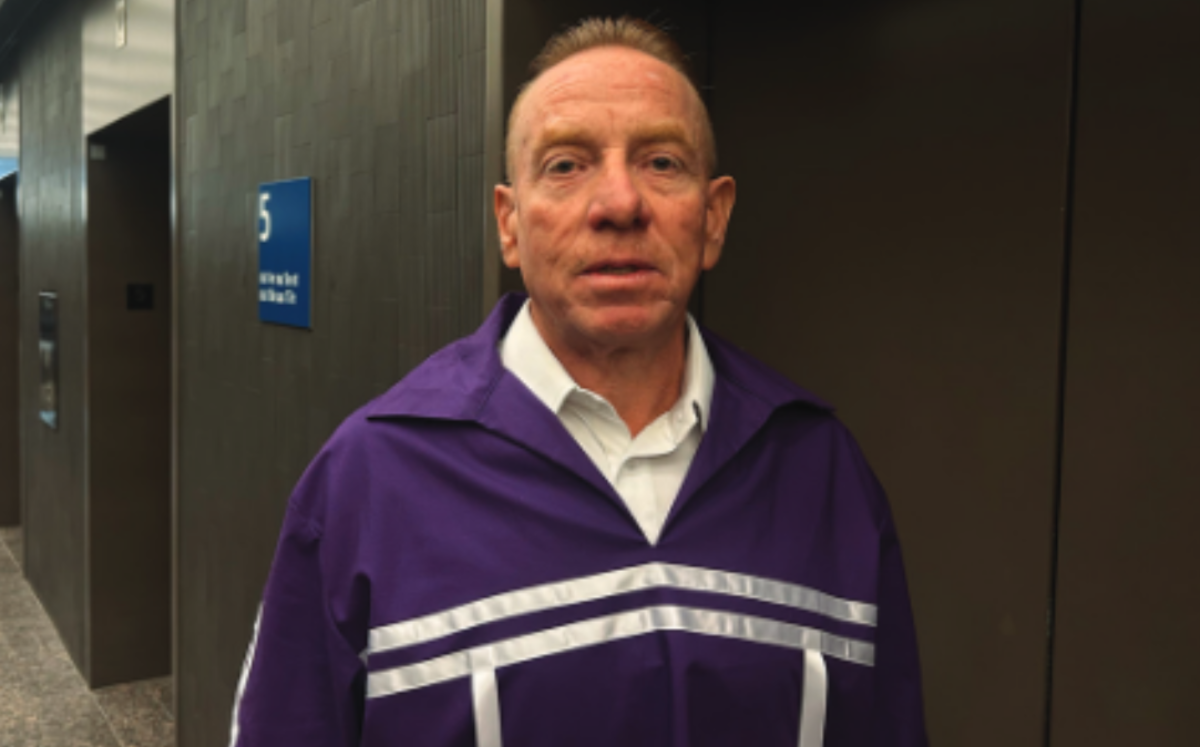
It’s been one year since community members Derek White and Hunter Montour were granted a permanent stay of criminal procedures in a historic tobacco case.
Almost immediately, Quebec submitted an appeal to attempt to reverse the decision – but there’s been little to no movement on that appeal, with White and Montour left in limbo in the meantime.
“Waiting for the appeal is like watching paint dry on the wall,” White said. “Eventually it will dry, I’m just not sure how long. It’s in the hands of the government.”
White and Montour were granted a permanent stay on November 1 at Quebec’s Superior Court last year, in a 400-page decision that recognized the role of traditional law, including the Covenant Chain, in tobacco trade.

Supreme Court Justice Sophie Bourque, who retired at the end of last year, said that the 2001 Excise Act, which the two were criminally charged under, infringes on treaty rights and inherent rights the applicants have as Indigenous people.
The Excise Act “is of no force and effect against them” Bourque said, recognizing that the Covenant Chain - a set of 10 treaties negotiated between 1664 and 1760 that guarantee Kanien’kehá:ka a right to the tobacco trade - constitutes “an extinct treaty that creates mutually binding obligations.”
The appeal was filed by the attorney general of Quebec and director of criminal and penal prosecutions, and if they fail at appeals court, Quebec could appeal once more and take the case to the Supreme Court of Canada, where it would be heard in front of nine Supreme Court justices.
However, it’s going to be a long road to get there. The appeal can’t even progress until the Quebec Superior Court certifies the record, which includes completing extensive transcripts of the entire hearings process.






Vincent Carney, one of the lawyers who represented White and Montour, said the latest twist has been the discovery that requests for transcripts were botched, and that transcripts were only started for the constitutional phase of the case, with requests for transcripts for the criminal phase not officially submitted.
“We found out about this last week, and we’re waiting to hear what the delay is going to be now to complete the transcript because of this error,” Carney said.
“It’s basically going nowhere very quickly.”
Though many people might be made uneasy by the prospect of appeal looming over them – the historic decision made last year could hypothetically be reversed – White said he’s unphased.
Sign up for email updates from The Eastern Door
“The longer it takes the better in my opinion,” White said. “When the time comes, my lawyers are ready.”
White says he’s also not subject to any restrictions – including restrictions on his freedom of movement, which had prevented him from travelling to the United States during the nearly eight years while their case had progressed through the court.
“There’s none,” he said. “I’m back to a normal, boring life.”