Whitebean leads land-based learning
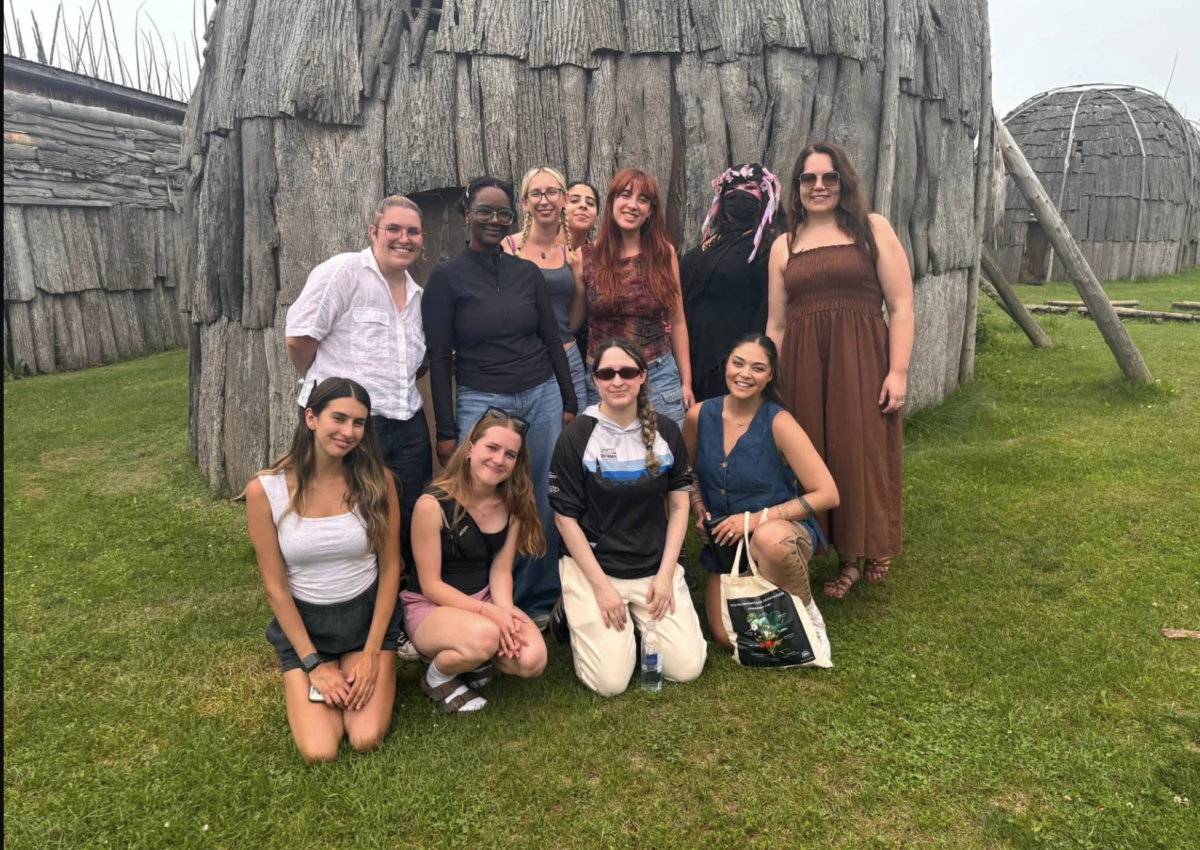
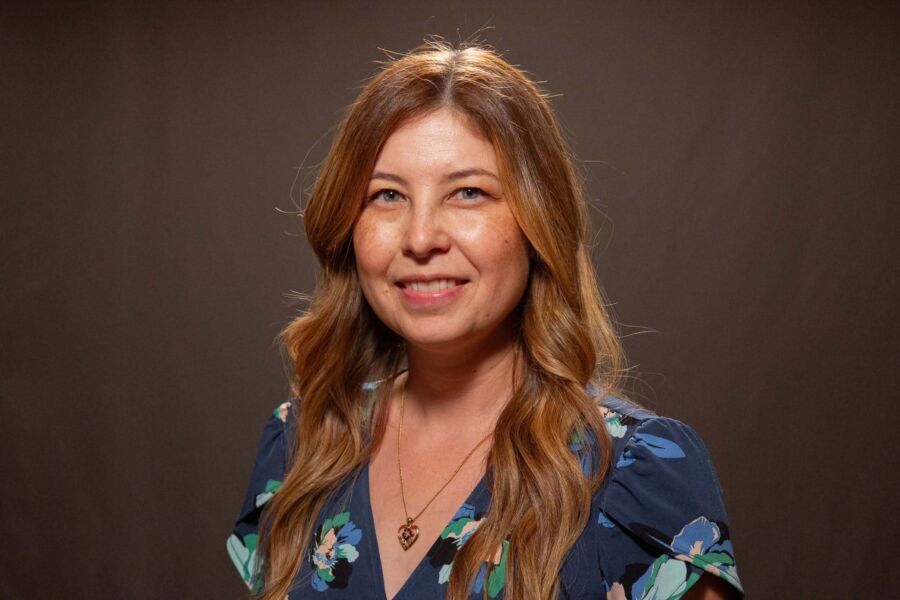
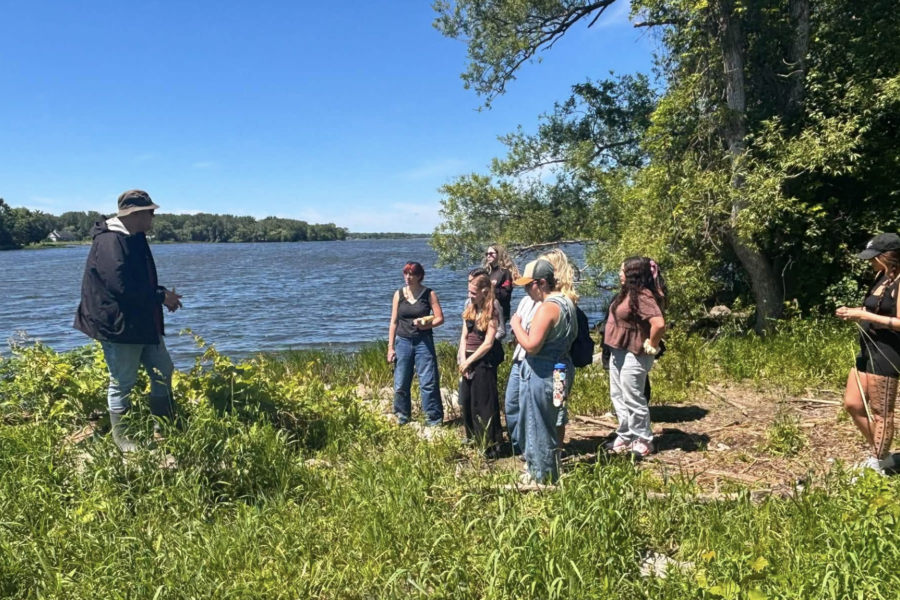
Students came to Kahnawake as part of Wahéhshon Shiann Whitebean’s latest McGill course. Courtesy Wahéhshon Shiann Whitebean
For Wahéhshon Shiann Whitebean, education is at its most effective when it leaves the classroom and starts on the land.
“I wanted my students to have an opportunity to visit the community, to make connections, to spend time outside instead of being cooped up in the classroom,” she said.
Last week, Whitebean wrapped up teaching her latest course at McGill University, which took place over six weeks and saw a small group of 10 students come to Kahnawake to learn about food sovereignty and Indigenous connections to the land.
Throughout the course, students learned from Whitebean and other community members about topics like food systems, keeping field journals to support their learning.
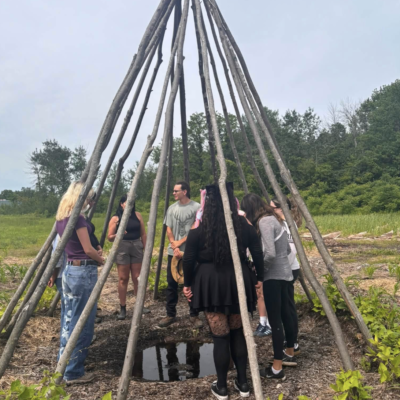
“The students seemed to really love the course,” Whitebean said. “They were really engaged, and I love being able to teach classes like this.”

It was Whitebean’s first time teaching a land-based course, and she carefully crafted the curriculum, bringing in guest speakers and complimenting the in-community activities with lectures.
Each portion of the course would have one lecture, at least one land-based activity, and one self-directed activity, for students to put what they learned into practice.
“My whole approach to the course was centred on relationality, it was all about the relationships we have to the natural world, to each other, to our food systems,” she said.
The majority of the class was non-Indigenous, with two Indigenous participants, including one Cree student, and Kahnawa’kehró:non Sage Goodleaf.
“My students come from different walks of life, they have different experiences, but most of them live in areas where they don’t have access to a lot of land to plant, they don’t all have that experience,” she said.
Students worked with the Kahnawake Environment Protection Office (KEPO) to learn about the restoration work the office does, and the history of the St. Lawrence Seaway.
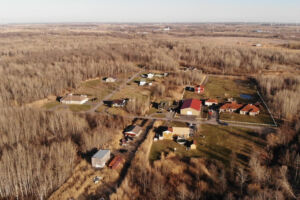
“I told them how devastating the St. Lawrence Seaway was to our way of life on the river, I wanted them to come away from the course thinking about colonialism as an interruption of one of the most important relationships we have, the one with Mother Earth,” Whitebean said.
One session included working with Tkà:nios, a local group focused on restoring traditional foodways, and students learned about planting corn and beans, getting their hands dirty with hands-on planting and harvesting of garlic scapes.
A highlight included making cornbread, and eating moose meat and salad, as well as taking part in a wild food and medicine walk.
Whitebean said that during those food and medicine walks, she was mindful of protecting community knowledge, taking the group to public places to harvest. A major choice that Whitebean also made was to open her home to her students - an unconventional choice in some academic settings, but one that Whitebean felt was important to allow students to fully engage with the community and with one another.
“I’m a community member and I want to respect that we have certain areas to go and pick medicines, but we need to keep these sacred sites for us,” she said. “I was very conscious of respecting the community, and I’m inviting them in, welcoming them into my home, and taking responsibility for them as visitors to our community.”
Sign up for email updates from The Eastern Door
From there, she also educated her students about proper protocol and how to respect the land and local communities - she said that feedback at the end of the course made her confident that her students came away with valuable lessons to carry forward.
“I try very hard to be real with my students and get them to see things from a different way. I tell them that the gift of education is critical thinking,” she said.
“To hear from them that the course changed the way they think about food was a highlight.”