Interlocutory injunction denied
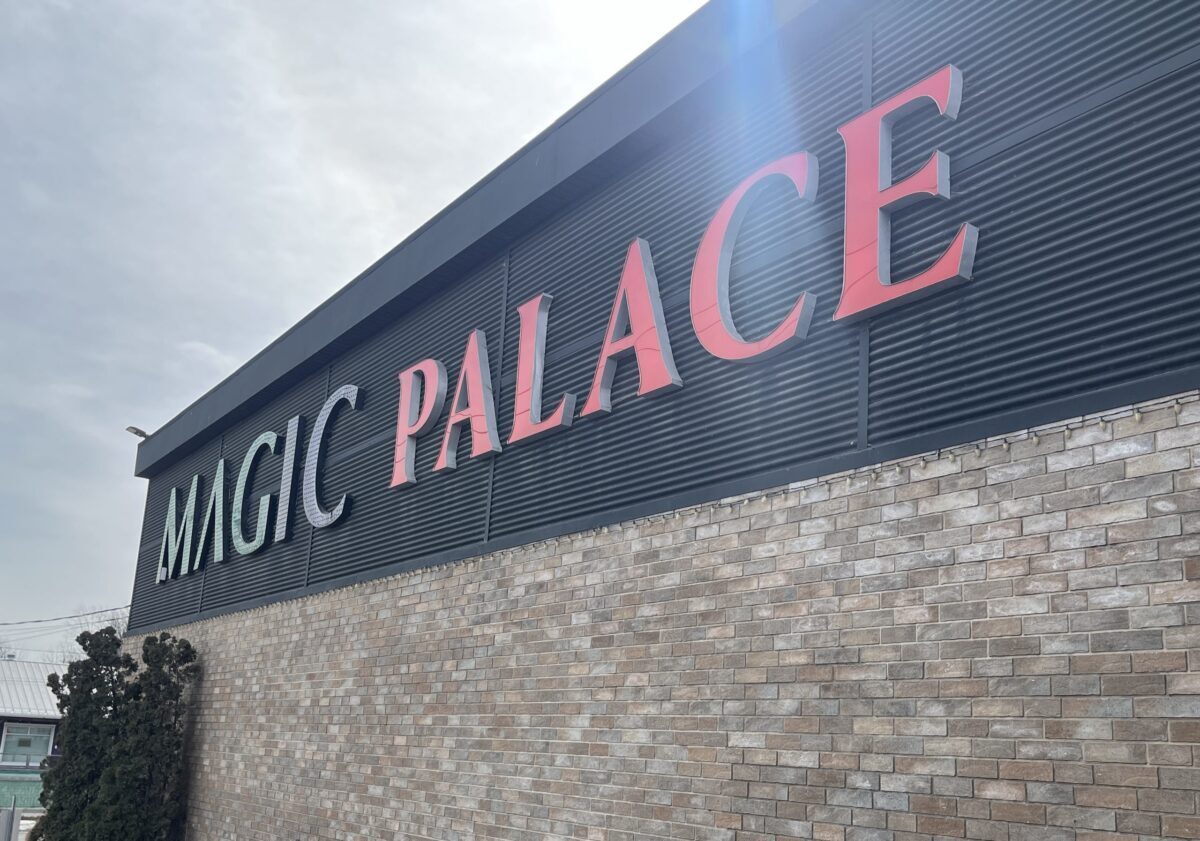
File photo
The Superior Court of Quebec has dismissed Magic Palace’s application for an interlocutory injunction to reinstate its royalty agreement with the Mohawk Council of Kahnawake (MCK), frustrating the shuttered gaming facility’s hopes for a local hearing to challenge its closure.
The ruling in question has no bearing on Magic Palace’s demand for an eye-watering $220.57 million in damages against the MCK and grand chief Cody Diabo, which continues to be litigated.
However, Magic Palace has vowed to fight the court’s decision not to issue an order reversing the termination of its agreement with the MCK.
“We have reviewed the interlocutory decision issued on December 17, 2025, and have decided to pursue an appeal,” said a short statement provided to The Eastern Door on behalf of Magic Palace’s owners, Barry Alfred and Stanley Myiow. “This course of action is being taken to ensure that we are fully heard and that the details of our case receive fair and thorough consideration.”
An interlocutory injunction is a temporary order that takes effect while cases work their way through the court. Regardless of the outcome of Magic Palace’s appeal at the interlocutory stage, it continues to seek a declaratory judgment in its favour.
The MCK released a statement this week announcing the Superior Court decision to deny the application to immediately reverse the termination of the royalty agreement for electronic gaming devices (EGDs).
“It bears noting that Magic Palace and its owners continue to seek significant compensatory and punitive damages against the MCK and a declaratory judgment to reinstate the Royalty Agreement,” reads the press release from the MCK, which noted that Council would provide no further comment due to the ongoing litigation.

The reinstatement of the royalty agreement would have equipped Magic Palace to press the Kahnawake Gaming Commission (KGC) to hold a hearing on its suspension. That body, which regulates gaming in Kahnawake, refused to permit one on the grounds that the termination of the royalty agreement invalidated Magic Palace’s gaming license, rendering moot its suspension by the KGC.
Superior Court judge Antoine Aylwin wrote that this “alleged prejudice is insufficient to constitute serious or irreparable harm,” and that it can “be quantified and compensated in money.”
Magic Palace’s lawyers have argued that the MCK and KGC’s actions have bound the facility in a legal catch-22, in which each body is pointing to the other to explain its own decision, resulting in the denial of their clients’ right to be heard. However, judge Aylwin wrote that the facility’s owners have the recourse of the Superior Court to address the termination of the agreement.
He ultimately decided the balance of convenience did not favour Magic Palace, leading him to dismiss the application for the interlocutory injunction.
“On one hand, Plaintiffs may potentially benefit of a hearing before the Gaming Commission that could potentially lead to the lifting of the suspension of its EGD license. It is not likely that the operation of Magic Palace would resume during the proceedings in that context,” he wrote.
“On the other hand, the Council would be prohibited the right of the Council to terminate the Royalty Agreement because a non-member of the community has ownership rights, which is prohibited. This prohibition is of public order under the exercise of ancestral rights of the Mohawk.”
The royalty agreement was terminated the day after KGC suspended the facility, which came several months after a 2023 report in La Presse alleged ties to organized crime.



The MCK press release highlighted judge Aylwin’s reasoning in his decision that a change in ownership had occurred benefitting a non-community member, Luftar Hysa.
Aylwin notes that Hysa, whose key person license was revoked by the KGC following the La Presse report, invested $10 million in the facility.
According to Aylwin’s judgment, the plaintiffs admitted this investment and that between 50 to 58 percent of the profits of Magic Palace went to Hysa without a repayment term in place.
“The receipt of a profit share without any other explanation, such as a loan, could only mean one thing: Hysa has in fact ownership rights in Magic Palace, and it explains why he is receiving more dividends than the owners of record.”
Aylwin characterized the plaintiffs’ handling of Hysa’s role as a “significant breach in the trust relationship” that was sufficient to justify termination of the royalty agreement.
Magic Palace has adamantly protested suggestions that it was not transparent, arguing that Hysa was awarded a key person license by the KGC following a lengthy due diligence process. Aylwin wrote that this does not equate to the Council permitting Hysa to have what amounts to an ownership stake, which would contravene the Kahnawake Gaming Law.
In its legal action against the MCK and Diabo, Magic Palace alleged that Kahnawake authorities were insufficiently rigorous in reviewing a third-party report on which the suspension of Magic Palace’s operations was predicated. However, Aylwin wrote the content of that report, produced by Spectrum, could be disregarded at this stage.
Sign up for email updates from The Eastern Door
The royalty agreement for EGDs, currently only permitted at Playground Poker, saw $12 million flow from Magic Palace to the MCK in the time it was valid.
EGD royalties now represent a huge share of the community’s revenues, generating over $25 million in the 2024-2025 fiscal year for the MCK.
Marcus Bankuti, Local Journalism Initiative Reporter