Sadie’s walk returns to Kahnawake

Julia Cieri The Eastern Door
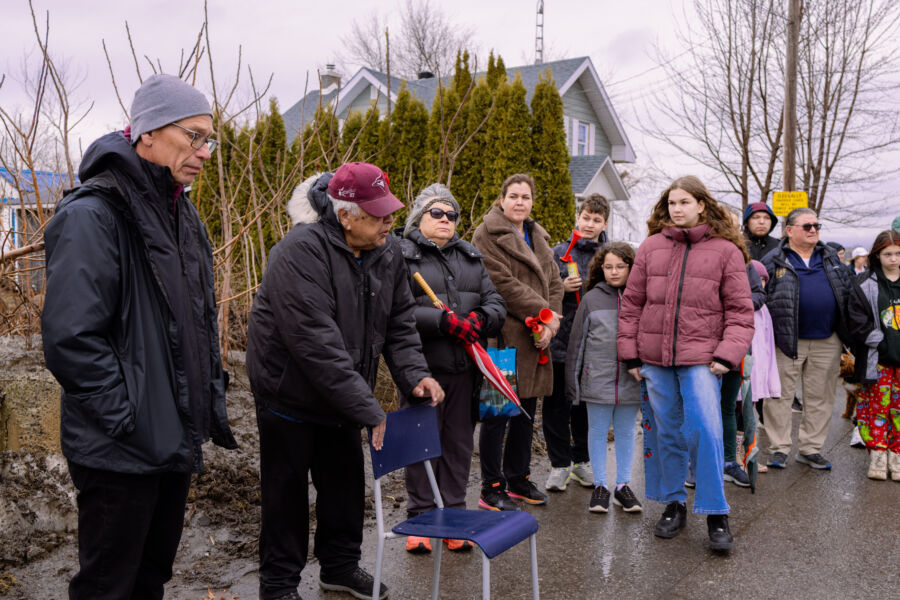
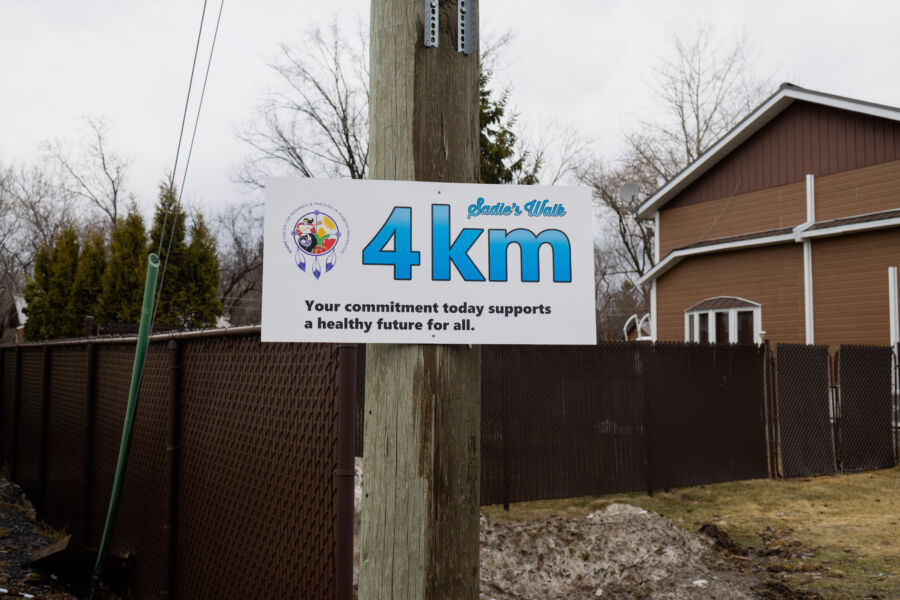
After a three-year hiatus, Friday marked the return of Sadie’s Walk, an annual tradition organized by the Kahnawake Schools Diabetes Prevention Program (KSDPP) since 1997.
After several years of programming shifts, the event returned to its traditional format in full force. “This year, we are revitalizing,” said Coreen Delormier, director of the KSDPP. “We have more staff and new members, and we’re working with a lot of universities and students. It’s amazing.”
Sadie’s Walk is a tribute to Sadie Muik, a diabetes prevention worker from the Okanagan First Nation in British Columbia who died in a car crash on Good Friday in 1996.
More than 60 participants from Kahnawake and Montreal joined the walk, eager to start their morning with movement. For many, the event was about both community and health.
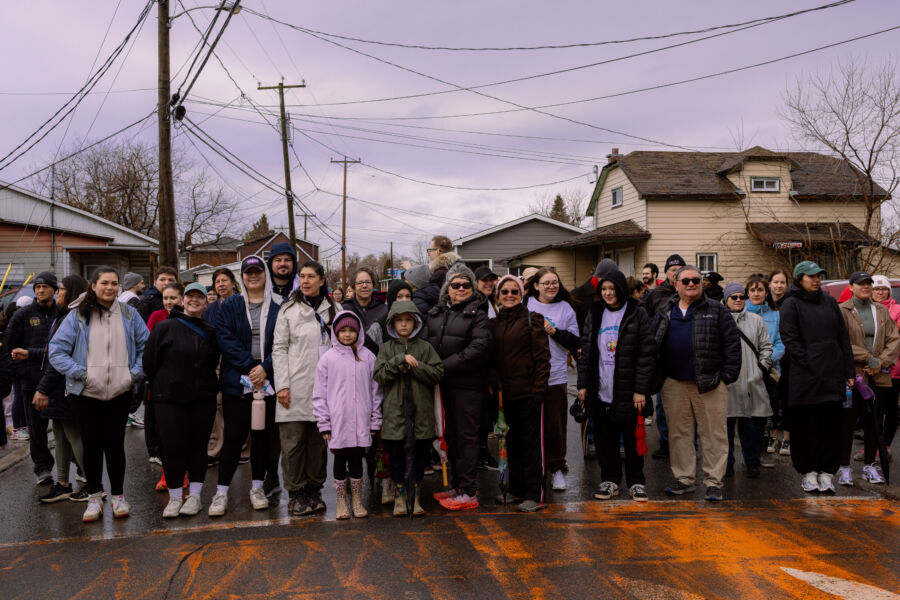
“I support all of KSDPP’s initiatives,” said participant Katie Diabo. “I like to live a healthy lifestyle, and I came out to enjoy the day with my bestie.”
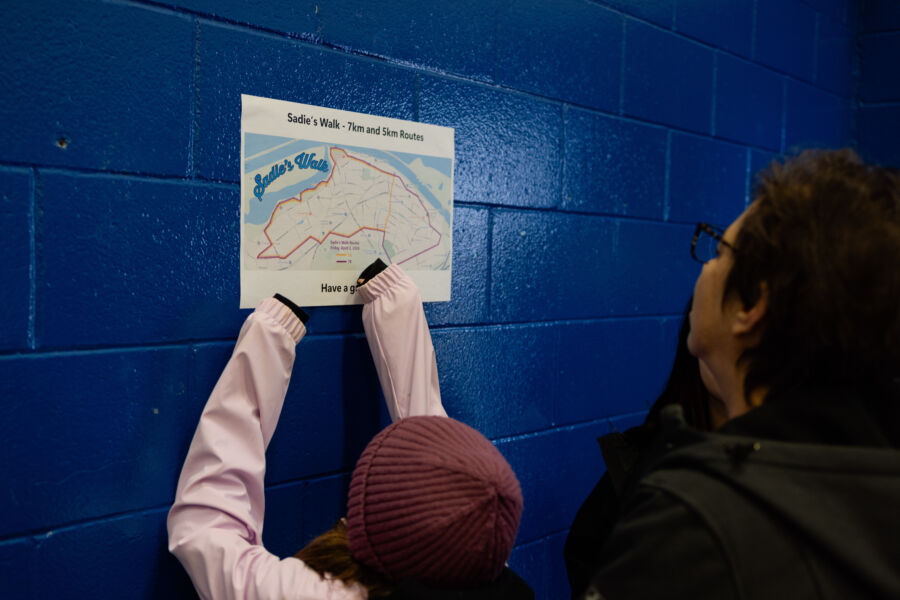
The event offered a choice between a five-kilometre and a seven-kilometre route, with a sense of solidarity shared across both paths.
Walker Vanessa Rice noted that the event was an opportunity for both physical and mental growth. “I wanted to come out and exercise, but I also wanted to gain more knowledge,” Rice said.

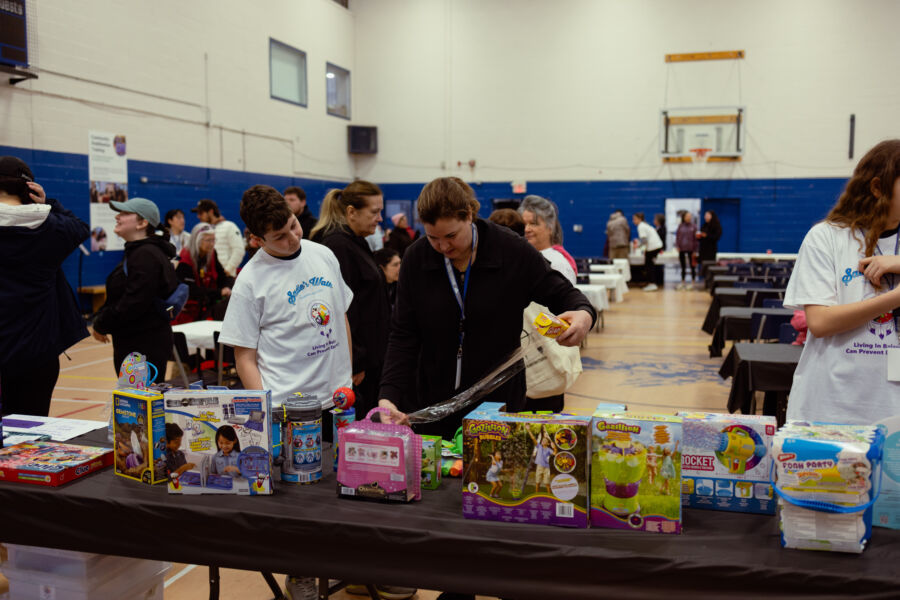
The cheery atmosphere culminated in a shared healthy lunch, served in a friendly setting that rewarded the morning’s efforts.
Since 1994, the Kahnawake Schools Diabetes Prevention Program (KSDPP) has been committed to preventing Type 2 diabetes through holistic wellness initiatives for schools, families, and the community.
Type 2 diabetes remains a critical health concern for Indigenous peoples in Canada, who experience significantly higher risk profiles than non-Indigenous populations. These health disparities are rooted in the legacy of colonialism, systemic racism, and intergenerational trauma - factors that have disrupted cultural identities and restricted access to traditional foods and resources.
“Health is the outcome of inequity,” said Treena Delormier, scientific director of the KSDPP and dietician and nutritionist by training.
While diabetes development is influenced by genetics and family history, environmental factors such as lifestyle, physical activity, and nutrition play a decisive role in the health outcomes of Indigenous communities across the country.
Joe Jacobs has been closely tied to the KSDPP since its inception. The creator of the diabetes wampum belt, a symbol of diabetes awareness now recognized across Indigenous communities, Jacobs was diagnosed with the condition during the COVID-19 pandemic.

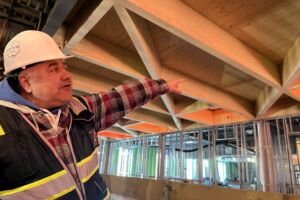


“I still feel sometimes, like… why me?” he shared. He is a staunch advocate for awareness and prevention, dedicated to protecting the health of children and future generations.
The organization was born from the vision of community elders, who demanded action to protect future generations from the rising rates of diabetes.
Amelia Tekwatonti McGregor, a founding member of the KSDPP, has witnessed the impact of the disease firsthand through a close family member. “Every time I think of this, I think of all these children and trying to keep them safe,” she said. “This is why I want to volunteer; I want to stop children from becoming diabetic before it’s too late.”
Beyond local intervention, KSDPP has become a leader in academic research and professional training, establishing a framework rooted in Indigenous methodology. “It has to respect our self-determination, and the research must be relevant to our needs,” said Treena Delormier.
“We train PhD students, post-docs, undergraduates, and community members in health promotion,” she said. “Health is created where people work and play; you can’t just work on individuals and expect them to change their behaviour.”
To shift health outcomes on a population level, KSDPP works to change community environments to reinforce healthy habits.
Sadie’s Walk is a prime example, Treena said. It’s an opportunity to take your family out for a walk, get some information, and end it with a healthy meal.
Sign up for email updates from The Eastern Door
Attendees at the event noted that daily challenges, such as the convenience and affordability of fast food and vending machines, often hinder the motivation to stay healthy. “We have so much processed and fast food. I think it’s just because of the way society is - everything is so instant,” said participant Muriel White-Rice.
A First Nations person living on reserve is more than three times as likely to have diabetes than a non-Indigenous Canadian.
“All of the strengths that we needed to be healthy were basically removed, and we’re now in the current situation where we’re undoing centuries of colonization that’s embedded in our bodies,” said Treena.
Despite these systemic challenges, Kahnawake is seeing a shift toward better health outcomes.
She noted that the community has seen a significant increase in health resources, a direct result of a growing recognition that Indigenous communities have long been under-resourced. Looking ahead, Treena Delormier hopes to see more policies that ensure long-term sustainability and subsidized healthy food options.