Give it back
Megan Kanerahtenha:wi Whyte The Eastern Door
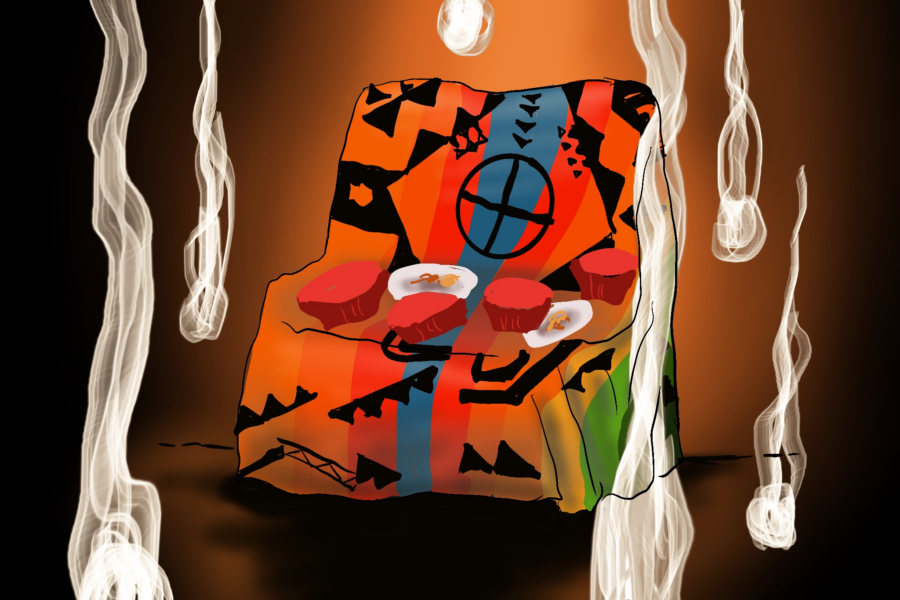
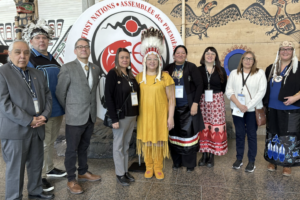
One need only view the photographs of the scene on the tarmac of the Montreal airport, snow crowding the frame, to know the significance of the moment as 62 Indigenous artifacts touched down on Turtle Island after 100 years at the Vatican.
Among these objects was an invaluable Inuvialuit kayak, one of only five known to exist. It was at one time used by Inuit whale hunters, and it was no doubt a special experience for the Inuit who touched the vessel and felt a connection to their ancestors.
While none of the items are Kahnawake-bound, elder Ka’nahsohon Kevin Deer was among those who were present over the weekend to witness the arrival of the cultural items. Kahnawake still awaits its own treasure trove of cherished objects - from here, there, and everywhere - one reason why so much effort is being put into creating a state-of-the-art homegrown museum.
In the case at hand, what were the 62 cultural objects that were finally returned to Onkwehón:we, carrying such meaning and history, doing in the Vatican in the first place?
You could take that rhetorically, but here’s the literal answer: these precious items were shipped off to Pope Pius XI’s holy year exposition a century ago, and it was no coincidence either, since the man at the top of the Catholic Church had put out a call for Indigenous objects to be sent over.
The institution that thought nothing of taking Indigenous children from their families to ship off to residential schools thought nothing of taking sacred items and sending them across the ocean to Europe for the amusement of the Pope and his followers, and that’s no surprise, but it is a great shame, one of many.

There is nothing anyone can do about the human cost of the decisions taken by the Catholic Church - and Canadian government - across hundreds of years of genocide. But while stripping communities of their sacred possessions may have advanced the state and church’s goal of erasing Indigenous peoples, those institutions must be - to borrow a phrase the Pope will understand - moving Heaven and Earth to return what they have stolen.
We’re glad to see the repatriation, of course. The return of what is sacred is always a good thing. It could not have been done without the hard work of Onkwehón:we to make it happen over years of engagement.
But it’s only a small step on the long road to reconciliation and justice. It’s long past time for every institution everywhere to take the steps to finally return the artifacts that connect Onkwehón:we with their ancestors, that belong to them in every conceivable sense of the word.
More has to be done not only to return what was stolen, but to shift the paradigm of the world in which we live.
After all, what is the word “gift” doing in the statement announcing that the items had been returned. “This gesture is a gift freely given,” the archbishop of the Canadian Conference of Catholic Bishops is quoted as saying, one of four times the word appears.
We could write our editorial about that alone, for obvious reasons. It doesn’t exactly convey atonement or acknowledgment of wrongdoing.

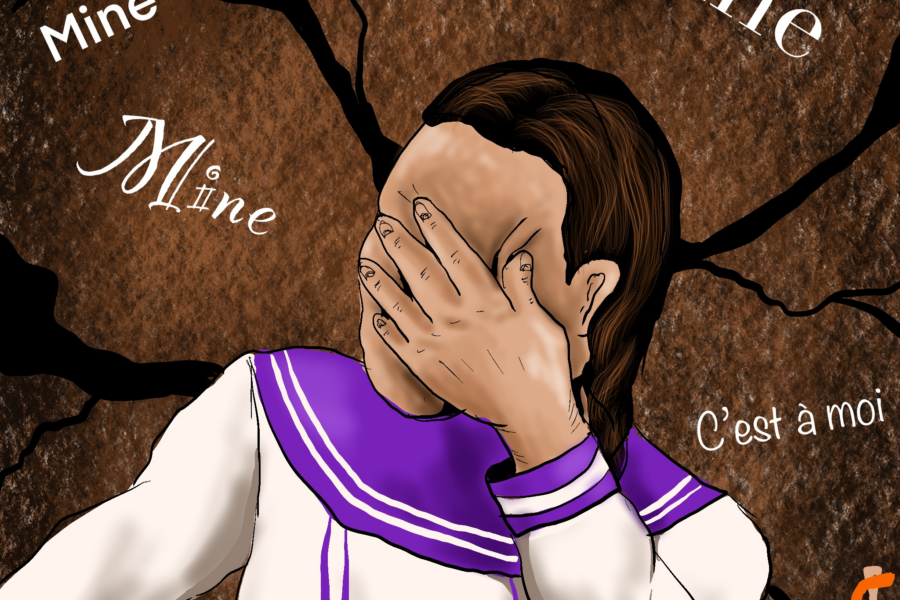
Let’s just say if your brother shows up on December 25 and puts that toaster that walked away from your kitchen three months ago under the Christmas tree, you probably wouldn’t conclude he found the spirit of giving.
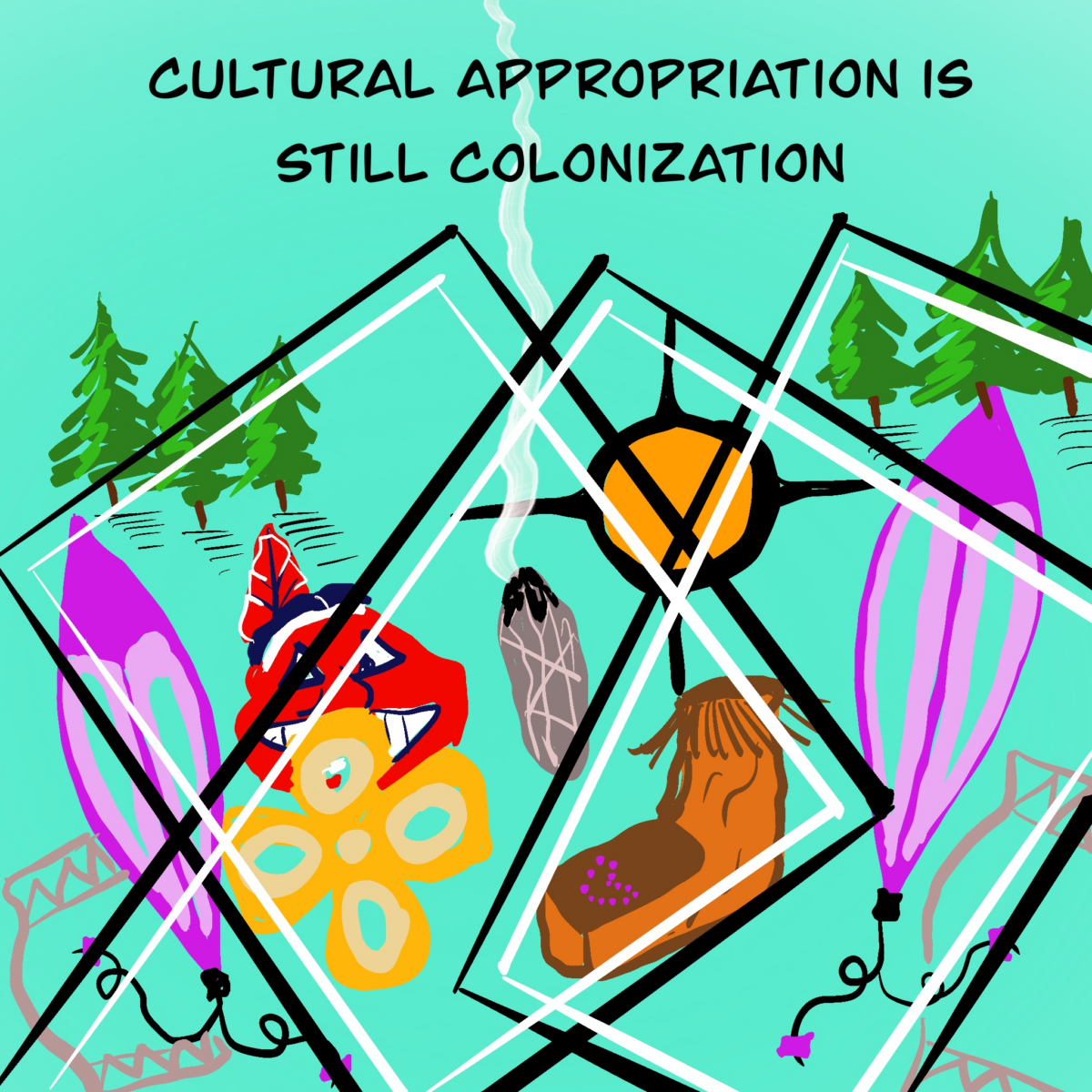
It’s like the annual insult, more common than ever in the age of social media sales and drop shipping, when imitations of Haudenosaunee and other Indigenous designs and traditional crafts bombard the market, undercutting real Onkwehón:we artisans and stealing their sales.
Kahnawake and Kanesatake and other Kanien’kehá:ka communities take great pride in the incredible art - and artists - they produce.
The crassness of undermining this precious cultural expression, robbing Indigenous artists of their livelihood in the process, is colonial capitalism, pure and simple, stealing from those providing value.
Reducing culture to commodity: sounds a little like the Pontifical Missionary Exposition of 1925. It’s the same old thing ever since colonization began.
But being undiscerning, if well-meaning, is not good enough, and while the people doing the stealing are the worst of the worst, the ones who aren’t savvy enough to separate what’s real from what’s obviously fake just aren’t curious enough and just don’t care enough to do so.
Sign up for email updates from The Eastern Door
Our front page this week is about the Mohawk Council of Kahnawake announcing 162 acres of land being reclaimed by the community, a good thing to be sure, but not close to enough, because we still don’t live in the paradigm shift that is needed.
We live in a world where the return of stolen Indigenous property after 100 years is called a gift freely given; one where the appropriation of Indigenous culture - not to mention Indigenous identity - is commonplace; where on one side of Turtle Island a small fraction of land is returned while on the other a Mohawk is taken prisoner for standing up for ancient trees on Indigenous territory.
There’s a lot left to take back.
TED Staff