Students fight language laws
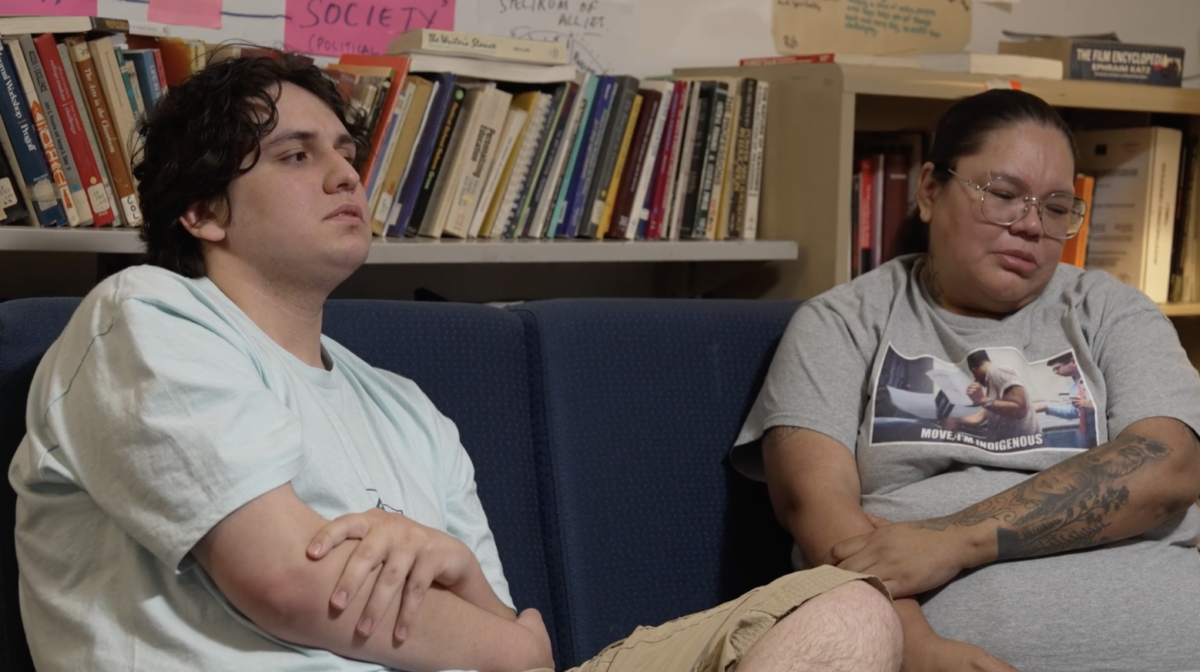
Having worked at Dawson College CEGEP for 25 years, there are not many challenges that can shake director general Diane Gauvin.
But with the implementation of the province’s controversial French language legislation, Gauvin said she’s genuinely worried for what could come next.
“This piece of legislation for Indigenous students is Earth-shattering,” she said. “It has the potential of reducing the number of Indigenous students coming not just to Dawson, but to higher education.”
Indigenous students at Dawson have been organizing against the legislation, which was formerly known as Bill 96 and is now known as Law 14. Under the law, all CEGEP students in anglophone colleges are required to take more French courses, with many forced to take a French-language exam to prove their speaking skills to graduate from CEGEP.
With around 130 Indigenous students attending Dawson, and an estimated 300 Indigenous students studying at other anglophone CEGEPs in Quebec, the legislation affects many Onkwehón:we. The situation has prompted the Dawson Student Union to this week launch a petition, sponsored by Westmount member of the National Assembly Jennifer Maccarone, asking that Indigenous students be exempt from the legislation.
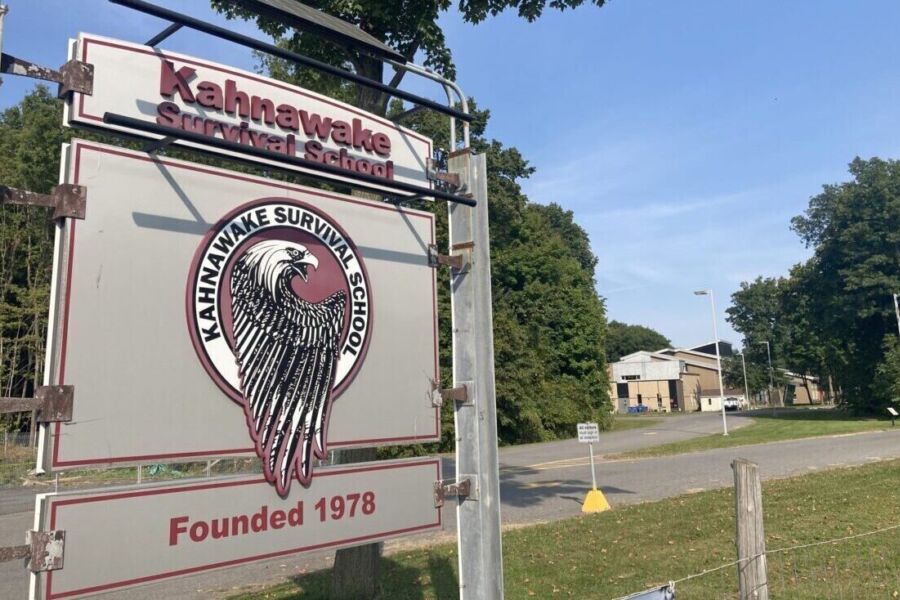
Kahnawa’kehró:non Zye Mayo, a current Dawson student, has been protesting the requirements since 2022, when he and fellow students at Kahnawake Survival School (KSS) walked out in protest of Bill 96, flanked by around 1,000 other community members.
He said that the legislation is an immense barrier to students like him.
“It’s most likely going to make a lot of people not want to go to CEGEP, especially Indigenous students,” Mayo said.
Under the legislation, publicly funded English-speaking elementary and high school education is already reserved for only certain individuals holding a certificate of eligibility. Though anyone in Quebec can attend English-language CEGEPs, there are different course and graduation requirements for those who don’t have an eligibility certificate.

Those without an eligibility certificate – which includes many Indigenous students – now need to pass the French exit exam, which they’ll also have to take three 45-hour courses to prepare for, in addition to taking two of their program courses in French. Some students may even have to take a 60-hour remedial French course if their secondary five overall average is less than 75 percent.
Students can apply for a derogation until 2027, Gauvin said, which exempts students from taking the French exit exam, but still requires them to take three courses of French in addition to the two that are already mandatory. She said many students haven’t applied for derogations as a political statement.
“They don’t feel that they should be asking for a derogation, they should already be exempt,” she said.
“The law does not permit for any real accommodations in the long term for Indigenous students.”
Mayo has an eligibility certificate, having attended Howard S. Billings High School for a year, and students in Kahnawake should be entitled to one.
But even an eligibility certificate doesn’t solve the problem – students with the certificate are still required to take three courses in French in addition to the two French courses already required, for a total of five courses – and if their French level is too low for the lowest-level French class, they’ll also have to take a 60-hour remedial course before starting.
“I’m dyslexic, so I have trouble already with learning English. I have trouble learning Kanien’kéha, and I have trouble learning French,” Mayo said. “Adding five classes that I have to pass and get done is a lot to do in two years. It’s not right.”
Mayo said he’s especially worried for students from Kahnawake, who aren’t – and shouldn’t have to be – prepared for such high French requirements.
“When I was at Kateri School, we had French, but since I’m dyslexic it never really stuck. When I went to Billings, I was put in a class where I wasn’t at the level at all, so it wasn’t good,” he said.


“At KSS, I had about five or six French teachers in four years. There’s not much you can really do with one good French teacher you get out of four years.”
Other Onkwehón:we at anglophone CEGEPs face different barriers. Cree student Angela Ottereyes, who is from Waskaganish technically graduated high school in French – but she isn’t fluent.
“When I try to speak French, I’m thinking in Cree, then translating that into English, and translating that into French,” she said. “It’s a really difficult process.”
Ottereyes is able to study under the old language laws, having started her studies before the legislation came into effect. But she’s not totally satisfied in her program, and though she wants to change what she studies she would have additional obstacles, because then she’d be subject to the new rules.
“Because I’m grandfathered in with my current program, I decided to stay where I am,” she said. “I’m basically stuck in the program because of the bill.”
At home, Ottereyes tries to speak more in English to her eight and 10-year-old children, to ensure they can get by in the city. As a result, their Cree is taking a back seat.
“I feel like we’re forgetting our language, they’re not fluent speakers. They can understand a small conversation but they’re not as fluent as me because I’m more focused on getting them ready for post-secondary,” she said.
Ottereyes also has two 18-year-olds in their final year of high school. It’s likely that they might not even apply to colleges in Quebec, she said, due to the French requirements.
“This affects me, and it affects the future generations. It’s affecting my children,” Ottereyes said.
Sign up for email updates from The Eastern Door
Quebec’s ministry of the French language said they want to promote accessibility and Indigenous student success.
“The Act respecting French, the official and common language of Quebec confirms the status of French as the common language of Quebec and reiterates the right of the First Nations and the Inuit to maintain and develop their own languages and cultures,” a representative for the office told The Eastern Door via email, stating that the ministry has adopted regulatory measures to ensure a smoother transition.
“The measures neither require students to possess a certificate of eligibility for instruction in English to benefit from the exemptions stipulated therein with respect to the Attestation of College Studies and the French Exit Exam nor the possibility of taking French courses instead of courses in English.”
The ministry did not respond to The Eastern Door’s request to clarify the regulatory measures they refer to beyond what is already known about the derogations and eligibility certificates.
The petition can be found in English and in French on the National Assembly website at assnat.qc.ca. It will remain open for signatures until September 30.
This article was originally published in print on August 16 in issue 33.33 of The Eastern Door.