Urbanization plan sparks controversy
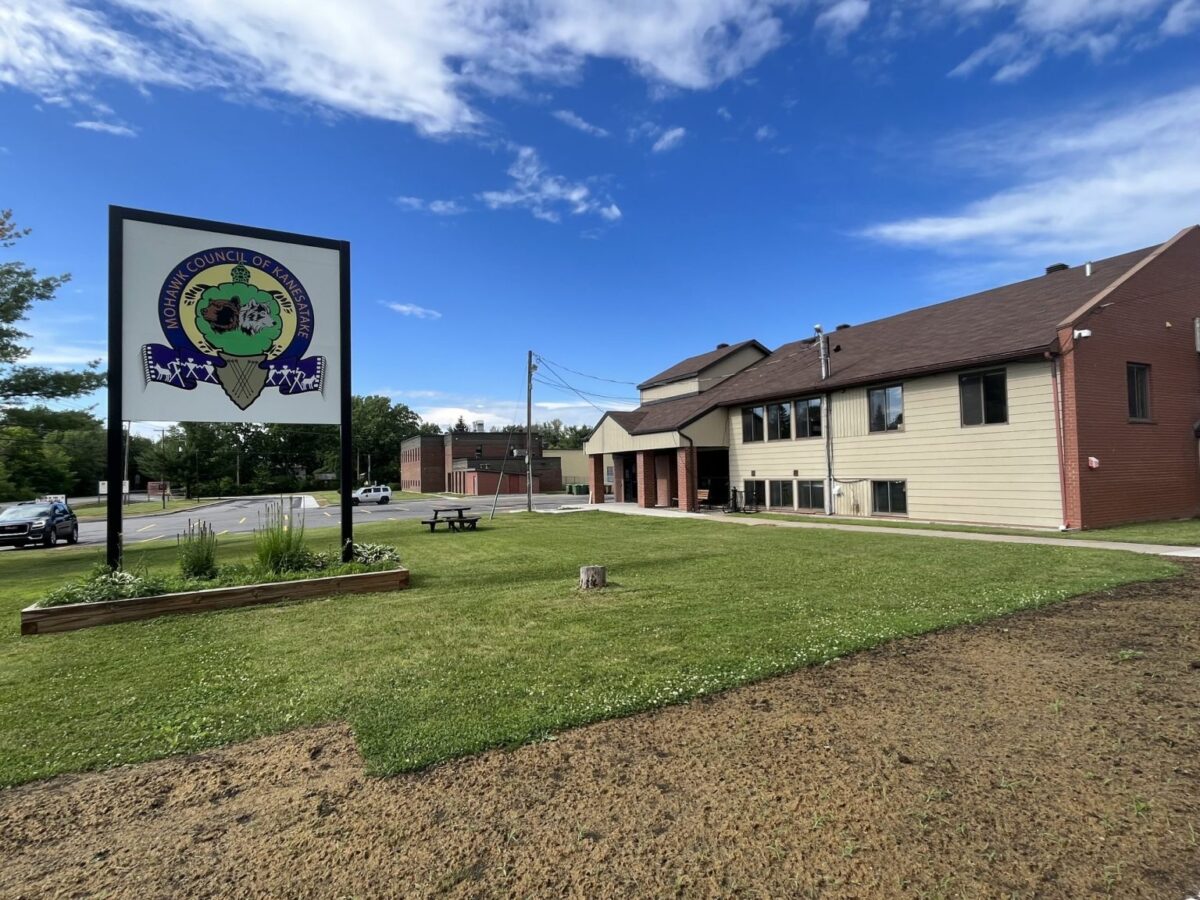
File photo
The adoption of an urbanization plan passed by Oka Council earlier this month was merely a formality, according to the city’s mayor, but it set off a firestorm online after an unsigned letter circulated in the Village area suggested it had sealed a housing development at the edge of the Pines.
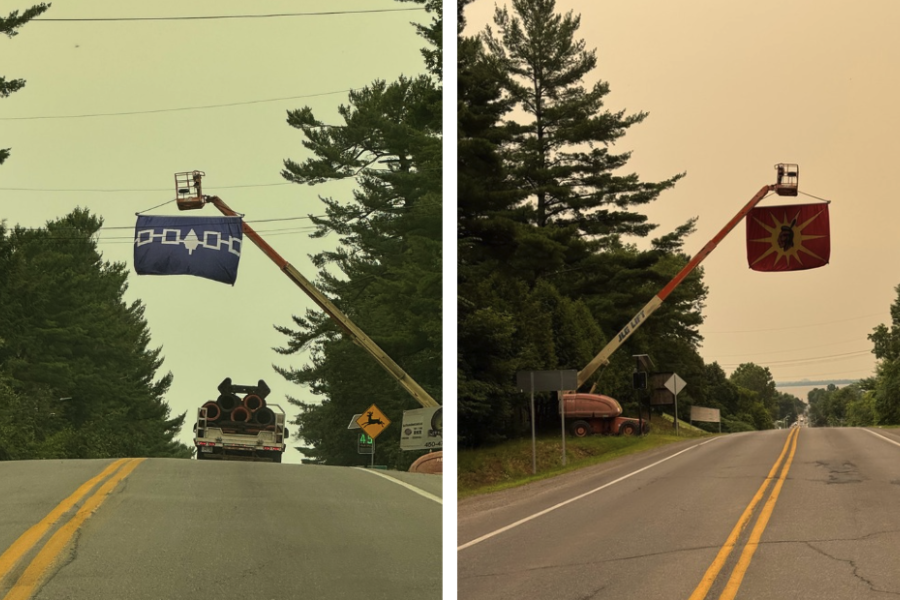
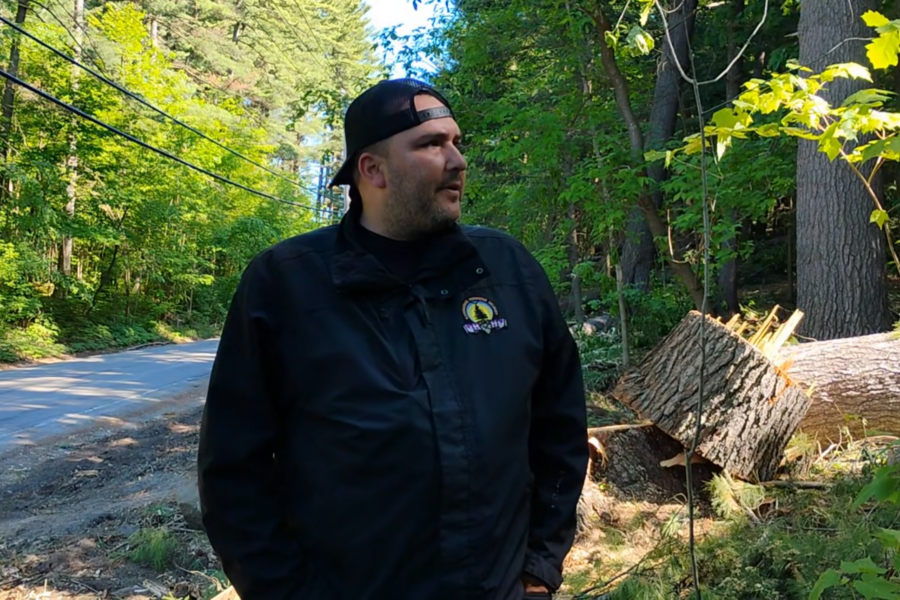
The controversy dovetailed with the community’s outrage about pine trees cut by Hydro Quebec in the area of the so-called “ecological gift” proposal, currently owned by Grégoire Gollin, the subject of another article in this week’s issue of The Pines Reporter.
Gollin also owns the site behind Rue des Pins that was at the centre of the letter concerning the urbanization plan.
“That lot has had the same zoning law for the last 20 years. Nothing has changed on that lot. Nothing at all,” said Oka mayor Patrick Hardy.
He noted a second controversial lot, the Dagenais land adjacent to Domaine des Collines, and emphasized there is currently no permit request or other formal proposal before council for either lot.
He said the adoption of the urbanization plan is a municipal obligation, and its passage was necessary to move forward with permit applications elsewhere in Oka. He emphasized that while the land behind Rue des Pins is set for 41 housing units, as it was previously, these density numbers are only hypothetical.

“Theoretically some numbers are put out there. The word theoretically is really, really important in this,” he said. No neighbourhood can be built until a number of steps are taken, including proposing where streets would go and how services would be accommodated.
Asked whether Kanesatake would be consulted if a development were proposed, Hardy suggested that would be his intention.
“I think that would be the right way to do it,” he said. “That’s why, for me, maintaining and building relationships with as many members of the community as possible is of the utmost importance at this stage.”
He said new affordable housing in Oka could benefit both communities, given its scarcity. “But certainly people will be consulted,” he said.
Mohawk Council of Kanesatake (MCK) caretaker chief Brant Etienne felt the controversy arose from people jumping to conclusions based on misinformation in this case, but said consultations are a requirement for any changes.
“If they’re just looking at what’s on their books, it’s like us looking at what’s on our books. If they’re going to be going around changing anything or having plans adjacent to Kanesatake, under S-24 (the Kanesatake Interim Land Governance Act) they do have to consult with us and talk to us about it, but we’re not at that point, so it’s a non-issue,” he said.



Kanehsata’kehró:non Amanda Simon, a candidate in the stalled Mohawk Council of Kanesatake (MCK) election, raised questions on Facebook, eliciting a public response from Hardy, who assured people that nothing had changed in the lot’s zoning and that there were no specific proposals.
“I believe that clarification was useful and helped reduce some speculation,” said Simon. “However, I also noted that the mayor did not say development would never occur.”
Her concerns go beyond any single project, she added.
“As Mohawks of Kanesatake, our relationship to the land is not simply administrative or political. The land is part of who we are. It carries our history, our responsibilities, our memories, and our unresolved grievances. That reality does not disappear because lines are drawn on a zoning map,” she said.
“For many community members, discussions about future development in sensitive areas inevitably bring back memories of 1990. I am not suggesting that today’s circumstances are the same as those that led to the Kanesatake/Oka Crisis. However, the underlying connection to the land, and the belief that these lands remain significant and contested, has not changed.”
Hardy said land grievances are beyond the scope of his office. “It’s not within my power to make any decisions. I think everyone knows that’s a really complex issue. I don’t have the solution to that, nor do I have the answers, nor do I pretend I have the answers or solutions. What I’m trying to work on is those little things that we can work on on a daily basis,” he said, such as collaborating with the Kanesatake Health Center.
Sign up for email updates from The Eastern Door
Simon suggested that trying to untangle Oka’s urban planning discussions while Kanesatake is engaged in community engagement sessions about the “ecological gift” proposal added to people’s confusion, since they may be unsure how the discussions could overlap.
“People should not have to piece together information from municipal notices, social media posts, engagement sessions, public records, and informal discussions in order to understand what may be happening in areas that are environmentally, historically, culturally, and politically significant,” she said, arguing that more transparency is needed.
Hardy told The Pines Reporter that he believes the relationship between Oka and Kanesatake is improving and said he has a good relationship with the caretaker council. He intends to carry that forward with the next elected Kanesatake council as well, he added.
Marcus Bankuti, Local Journalism Initiative Reporter