Does Kanesatake need a new school?
Hadassah Alencar The Pines Reporter
The education center is recruiting four Kanehsata’kehró:non for a school feasibility study to help determine Kanesatake’s educational goals and a school building that would meet those goals.
A steering committee composed of an elder, a student enrolled or formally enrolled at Ratihén:te High School, and two parents of children attending local schools will discuss with school staff and seek community advice on the long-term aims and needs of education in Kanesatake.
Information gathered from the steering committee will be shared with Leclerc Consulting Group, a company that evaluates infrastructure projects, to produce a school feasibility study outlining Kanesatake’s educational goals and whether these goals would require changes to the existing schools or an entirely new school building.
“It’s going to be also involving not only what our programs might look like in the future, but also where we’re going to be situated as far as building wise goes as well,” said Kanesatake Education Center (KEC) education director Watsenniiostha Nelson.
One reason for this study is that school attendance has grown over the years while infrastructure has largely remained the same, said Rotiwennakéhte school principal Melissa McGregor. A 2015 study evaluating Kanesatake education services projected the local high school student population would decrease from 31 to 19 by 2019. However, this past year, Ratihén:te had 48 students.

Meanwhile, Rotiwennakéhte saw an increase from 47 students in 2015 to 74 this year.
Growth in a limited space, such as dealing with small-sized classrooms, is challenging, said McGregor.
Another reason is that school buildings, particularly the high school, are older and require more repairs and upgrades, Nelson.
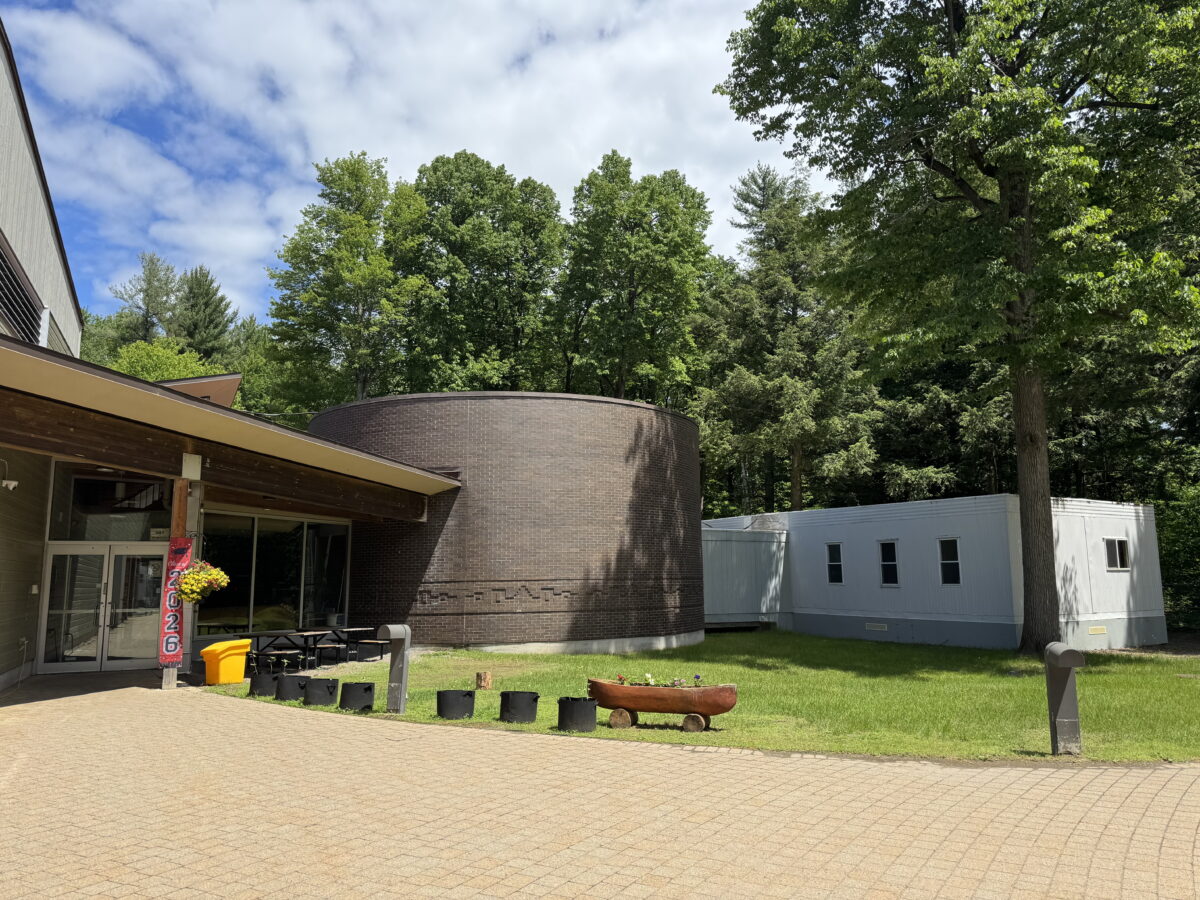
At Rotiwennakéhte, most classrooms cannot upgrade to new smart boards because the walls must first be reinforced to support the weight of the new boards, said McGregor. In the end, only one wall was reinforced because of the high renovation costs.
“That just means we can’t update, which just means that we can’t grow,” said McGregor.


The school feasibility study will help showcase different options for school buildings, said Nelson. It is expected to show different options or scenarios for schools in Kanesatake, including adding more infrastructure to the existing schools or even whether it is feasible and effective to merge the elementary and high school into one new building.
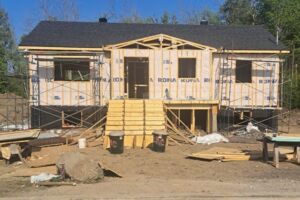
At Rotiwennakéhte, new modules are being constructed this summer to add more classrooms and office space to better meet the needs of the students and staff - but more may be needed in the future, said McGregor.
“Are we going to keep adding to our school?” asked McGregor. “We’re constantly having to make repairs. Would it be better to just build something new, or constantly be putting our money in something that’s just constantly needing renewal?”
The study will also determine what kind of school will best meet the educational programs Kanehsata’kehró:non find important, said McGregor. As an example, if the community would like the schools to offer more land-based learning, the study would help show how much land that might require and whether it is feasible to build within Kanesatake.
The steering committee for the project will begin meeting in the fall, and the study is expected to be published next year. In September, the education center will hold an introduction season for the community to attend and hear about the project, said Nelson.
Sign up for email updates from The Eastern Door
“This preliminary phase would just gather information and try to identify what the community wants, what our goals are, so that’ll help guide them at looking at what’s the best location and what will the building look like, and that’s going to be based on what best meets our needs,” said McGregor.
“At the end of the day, it’s really about the children, their educational growth, their path, and support.”
Hadassah Alencar, Local Journalism Initiative Reporter