Reflections of July 11
Hadassah Alencar The Pines Reporter
On the eve of July 11, 1990, Myrna Gabriel remembers celebrating two birthdays with cakes, barbeque, and sitting around the fire telling stories with her friends at the barricades.
Gabriel, who was turning 16 that summer, as well as her friends, and many others at the barricade, fell asleep in the Pines after a night of singing and joking.
But it was screaming that woke her up.
A tear gas canister, thrown by the Surete du Quebec, had ignited beside her. Her friends had screamed to get her up, and in a blurry frenzy, she arose to a 5 a.m. raid.
“I remember me thinking to myself, somebody has to call the police because we need help. We’re in danger,” said Gabriel. “But it’s like no, that is the police. Who’s going to help us?”
An armed SQ raid had blown into Kanehsatake in an attempt to dismantle a barricade blocking the expansion of a golf course into the Pines cemetery. The effort that resulted in the death of 31-year-old police officer, corporal Marcel Lemay. For Canada, a 78-day standoff ensued, with the Quebec police and Canadian Armed Forces surrounding and forcibly disputing the territory until they left on September 26, 1990.
But for Kanehsata’kehró:non, the Siege of Kanehsatake had not begun that day. It had begun months earlier, with community members voting to install a barricade to protect the Pines and to guard the forest. And to many in the community, the effects of 90 are still felt.

Ellen Gabriel went with other women to face the police on July 11. They were unarmed. She was there to protect the land, Kanehsata’kehró:non families, and ancestors.
“The women had agreed to go to the front. That was our obligation because the land belongs to us, and because our ancestors are buried there, our family is buried there,” she said, of the Pines cemetery. “That’s part of our responsibility to be able to ensure that their resting place is protected.”
Myrna, who was also there, remembers seeing a red dot crawl across her mother and family members.
“I noticed it was on my mom’s chest, and it moved to her forehead, and then it moved over to my cousin Ellen, and I was like, ’what is that red dot? And why is it on their forehead?’,” said Myrna. “And then I looked across the road and I saw a sniper in the ditch, and he had a gun in his hand, and it was his laser sight.”
All who participated in the Siege of Kanehsatake recall the uncertainty and fear that marred the community during that time. They also recall the perseverance and strength of a united community that fought back together.
“We were to be held as an example of Indigenous people not to resist,” said Ellen. “And we did the opposite, and surprised them. And they didn’t know what to do.”
Gordon Oke was organizer of the food shelter during the Siege of Kanehsatake. He had to plan food deliveries by truck, and later, by boat when the community was surrounded. He remembers the mental strain it was to deal with the constant, looming threats.

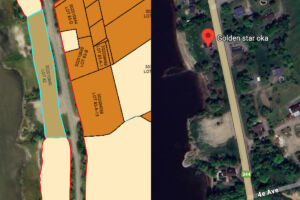
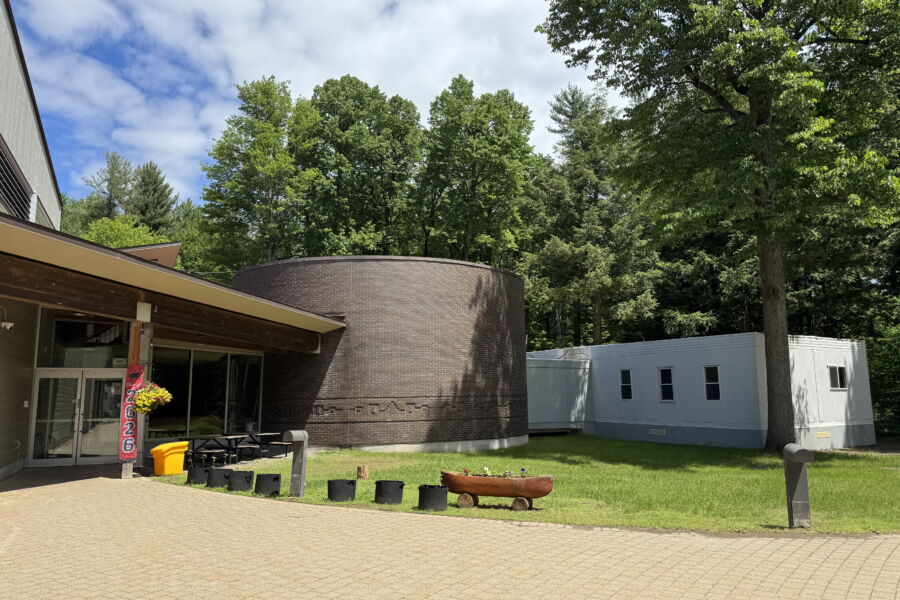
During the Siege, Oke was told the army was coming to the food bank, now the location of the high school, and he quickly ushered everyone into the gymnasium.
“I looked outside, and they had army guys lying on the grass with their guns out, and I said, ‘What did I do? I just brought all the people into the gym, like herding sheep, to possibly be killed.’ Because I didn’t know what they were going to do, what the army was going to do,” said Oke.
“Luckily, nothing happened. But it was one thing after the other, just to test your resolve.”
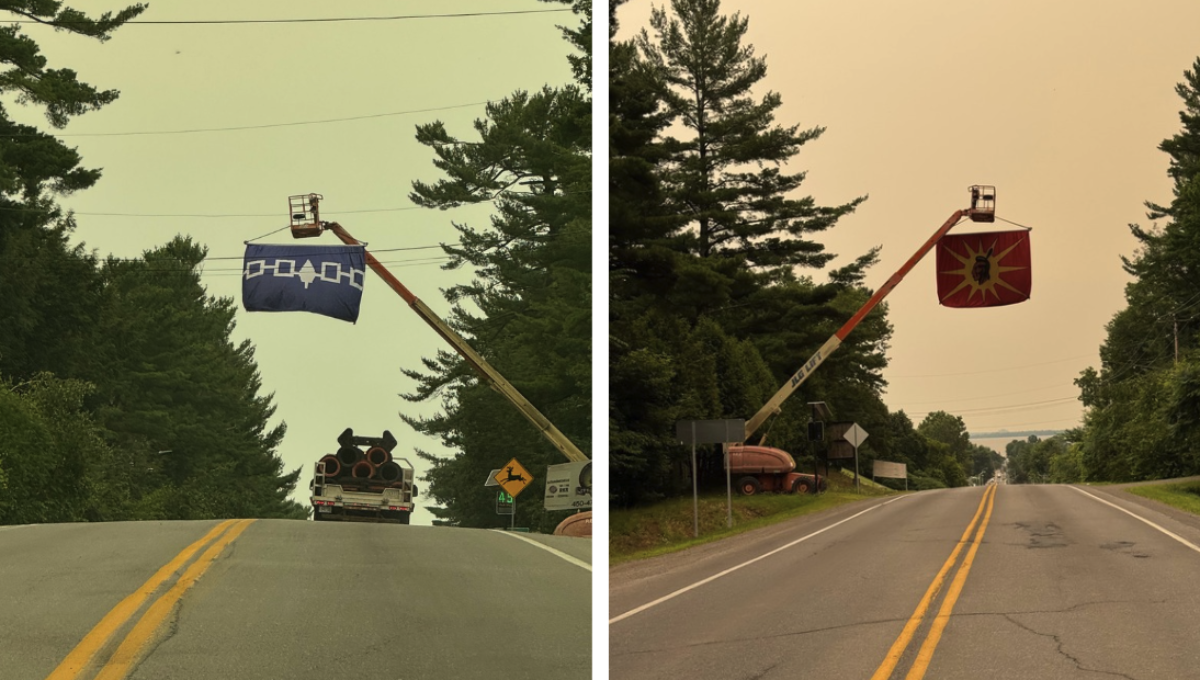
July 11 is a commemoration of Mohawk resolve and strength against colonial racism, said Ellen.
And it is also a day where many reflect on the changes the community has made since then.
“Today, fast forward 36 years later it is disheartening,” said Myrna. We didn’t sacrifice or risk our lives for that to happen. Certainly, to see the state that the community is in, the fracture, the division, the need for security, the need for economic prosperity. Is this what we fought for now? Seeing our land being raped and trees cut for what, right? I struggle to make sense of it all.”
Ellen also shared in feeling disappointed with the state of the community.
Sign up for email updates from The Eastern Door
But she also hopes Kanehsata’kehró:non, especially the youth, learn about the Siege of Kanehsatake, and that Kanehsata’kehró:non will learn to share in their responsibility for the community, as many did in 90, and remember and live by their values.
“It’s not up to one person to do this. Everyone has to get involved, and they need to educate themselves. It’s not just about having a band card. You have obligations as a Haudenosaunee person. You have obligations. You don’t just have rights,” said Ellen. “You are supposed to be actively involved in creating a healthy environment for this generation and for future generations.”
Hadassah Alencar, Local Journalism Initiative Reporter