Thirty-five years since 1990
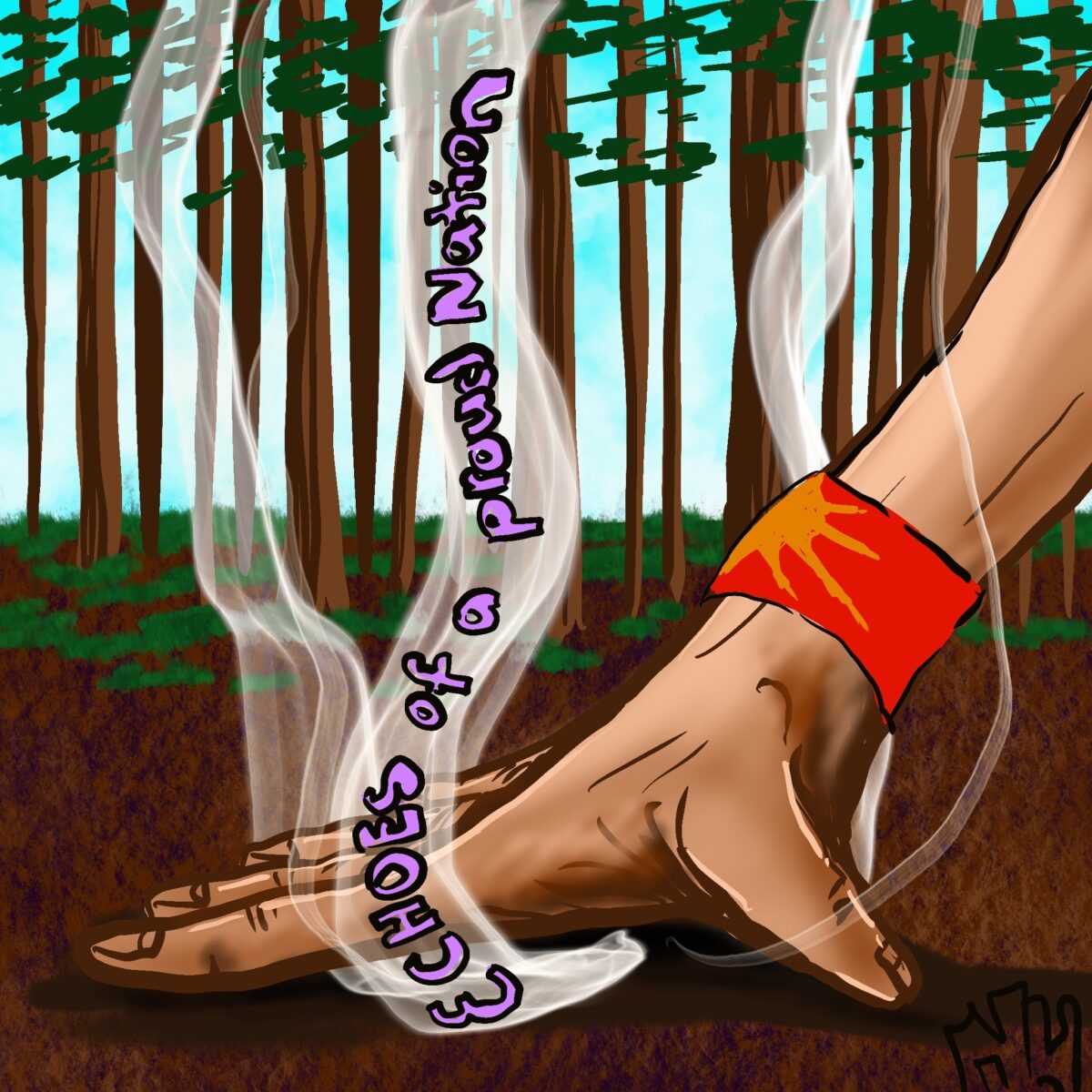
It’s that time of year again, when we commemorate July 11, 1990, and remember, 35 years ago today (Friday) how the people stood up and said enough is enough.
But what have we really learned from it, that terrible event, the launching of the modern Native rights movement, that we must never forget?
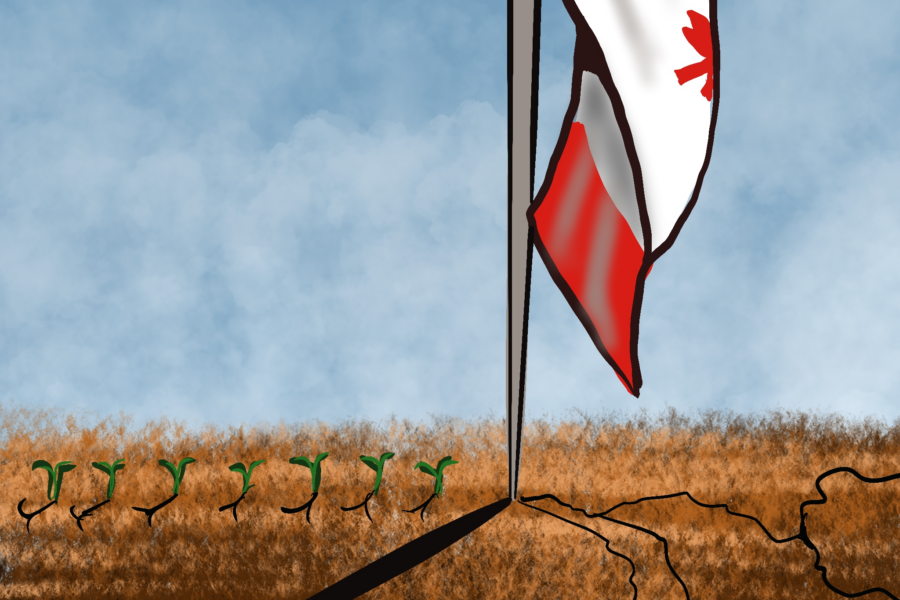
Some haven’t learned anything at all, as they destroy the Pines they said they fought for, cutting trees, taking more common land, and profiting off of something their ancestors planted a very long time ago to keep land erosion at bay.
It’s sad, sickening, scary, and makes people angry, all at the same time.
How can 1990 be properly remembered when the ones running the shops that now bring in far too many undesirables are left to build up and expand while the community suffers?
Something has to give one day, and although we don’t know what that will look like, we fear it won’t be pretty.
After all, we hate the white man for destroying our land and we fought the cops and army to defend it, but now it’s our own who are doing the cutting.

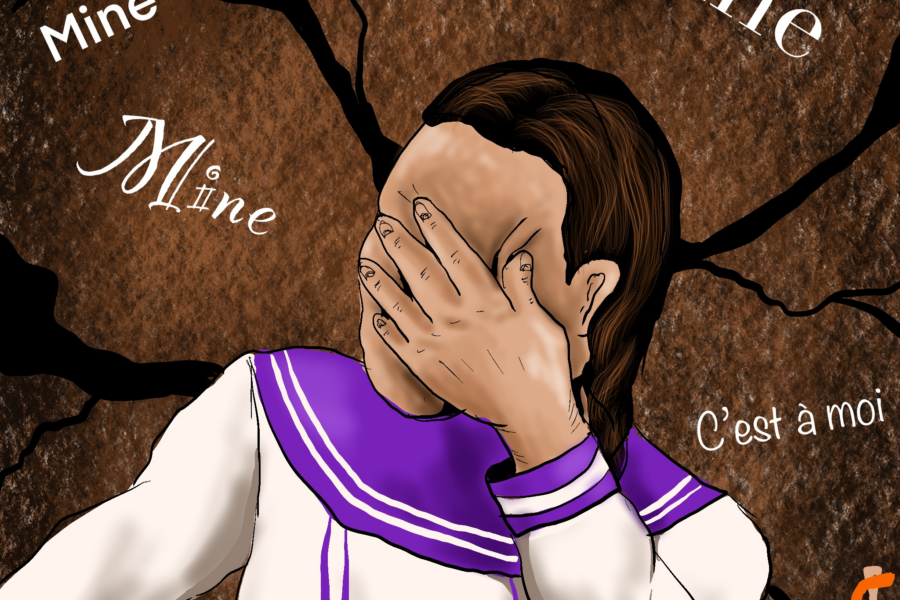
Meanwhile politicians ignore our plight, or worse, people like Oka mayor Pascal Quevillon pivot and position themselves as defenders of OUR land, as a means to supposedly protect it while really the goal is to steal more of it.
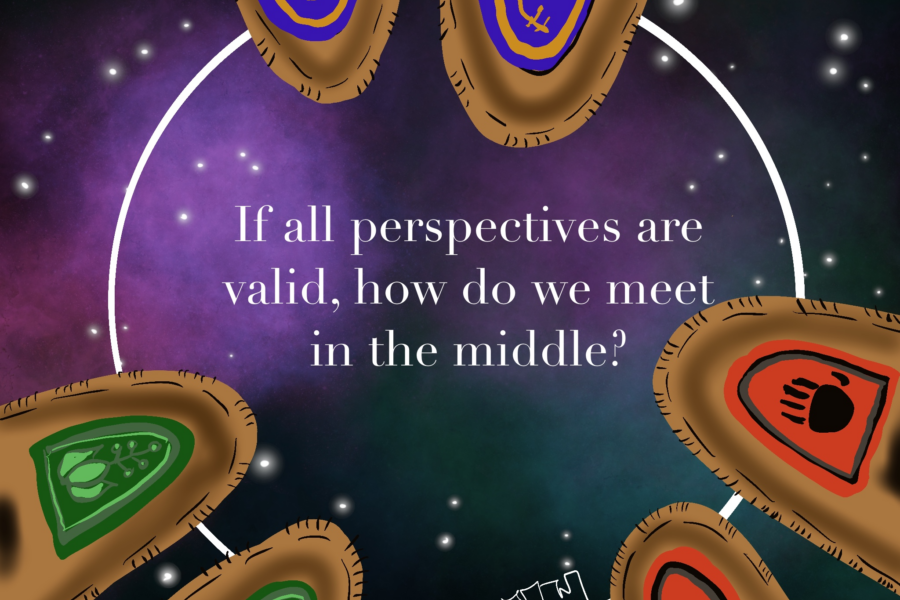
Kanesatake is so divided we don’t see an end in sight. We don’t see the Mohawk Council of Kanesatake chiefs working together with businesspeople, community, the average person, and our elders to truly make the place better.
Instead, too many are only concerned with making their own lives better, sacrificing little for the greater good and the collective.
But it’s not too late. With every passing second there still exists moments to reverse the BS and take back our pride. To stop the cutting of our sacred Pines and to fight for a better tomorrow for all.
Women have stood up to say enough is enough and have sat in the Pines to ward off tree cutters, but what about the men?
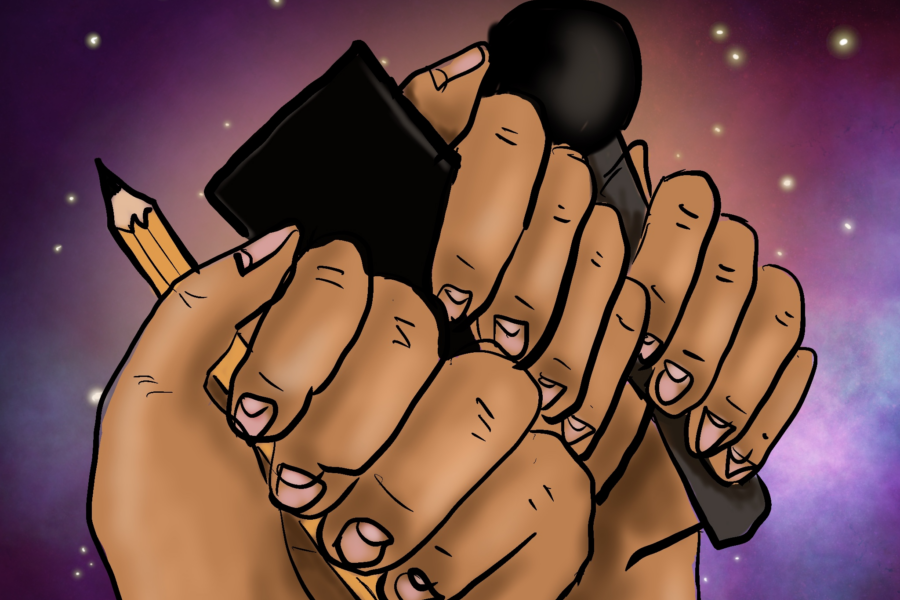
Together, everyone can make changes and take a stand for all; it isn’t too late.
Because the alternative, if we don’t one day do that, is there will be nothing left to fight for, and if that day ever comes, Kanesatake will cease to exist.




The place of the crusty sand needs those pine trees to survive, not to mention the positive effects they have on our health and overall well-being; but if there are no more pine trees standing, we will have accomplished what the white man couldn’t.
We will have destroyed something so beautiful it would take a few generations to return them to all their splendor and glory, trees so gorgeous, powerful, and awe-inspiring, they brought Quebec to its knees in 1990, as our people said ‘no more.’
They could one day be no more. Think about that.
We hope it never gets to that, but hope is just an aspiration unless there is real action behind it. And we simply don’t see enough action to halt the destruction and utter takeover of the oldest Kanien’kehá:ka community in this country.
People are already writing tongue-in-cheek death notices about our beloved Pines, but no one is laughing because it’s such a serious issue that transcends familial lines, cliques, and any other groups we separate ourselves into.
It’s like watching your mother die slowly by the hands of the ones who are supposed to love and nurture her, protect, and support her, and we’re all sitting on our hands, waiting for the inevitable.
Some are calling for help, but most are simply watching, laughing, and eating popcorn and candy as eyewitnesses to the destruction we all let happen.
Sign up for email updates from The Eastern Door
Steve Bonspiel
The Eastern Door