The many faces of Missing and Murdered
Megan Kanerahtenha:wi Whyte The Eastern Door
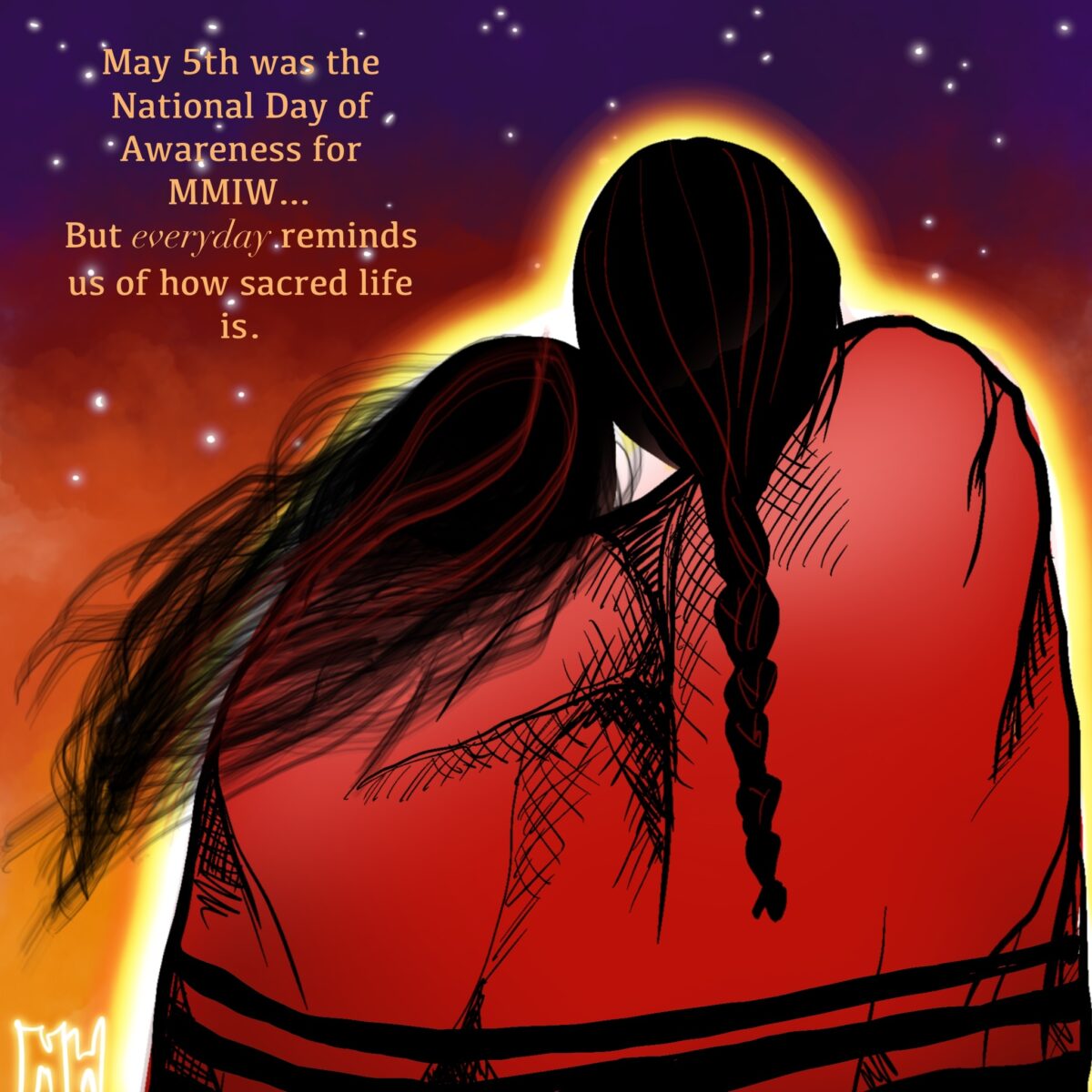
To open the first week of May like a crisp page of chapter five for the year 2025, the first line of this story began with the title “National Day of Awareness for Missing and Murdered Indigenous Women, Girls, and 2SLGBTQI+ People.”
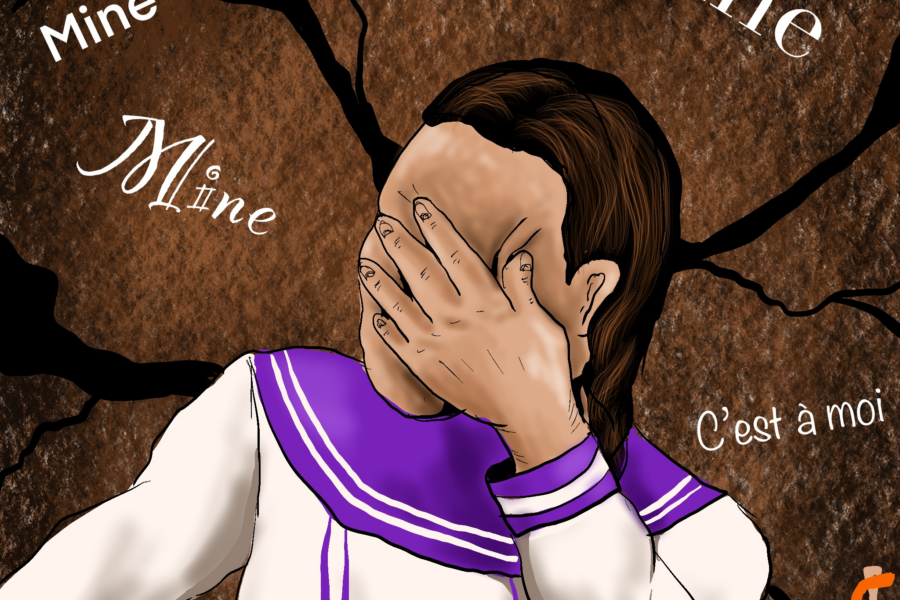
With a flood of anticipation for what could unfold from this chapter, the reader notices at the pit of their stomach, that there is a heaviness that sits like a rock where the Earth meets the mountain.
Shifting a little in their seat in hopes to shake the feeling, they slowly begin to notice that with this heaviness, there is also a surge of fire and almost fleetingness that feels much like a hawk swooping in from the heights of the trees during its hunt.
The reader thinks for a moment, “My body feels weird, and I am uncomfortable,” and like the hawk, considers closing the chapter altogether to take flight for something else.
This is the hauntingly beautiful complexity of emotion that is sitting within us when this chapter opens; it is called grief.
That heaviness may be the sadness carried for the losses experienced in communities across Turtle Island and sometimes the helplessness felt for not knowing what to do.
That fire may be the anger carried for what has happened in colonial history and continues to happen, that impact the way Indigenous people are viewed and valued today. It may also be from feeling not being heard or valued. Period.
The fleetingness may be the anxiousness and fear felt for the young girls that are becoming women – our babies, our daughters, our nieces.
And it may also be that desire to run, or to fight, or to simply turn off because that is how our bodies protect us from danger.
The hard part is, is that we often feel all of these emotions all at once and it can feel overwhelming.

Luckily in this story, the reader has learned a few things about how their own feelings sit within their body and decides to take a breath in to regulate.
When they do, they intentionally take notice of the soft fragrance of an earthy page with notes of almond at its binding. They notice that its texture beneath their fingers is on the cusp of smooth, hints of fissures in its weaving. By focusing on what’s around them through their senses, they land back into their bodies and know that they are safe in this moment.
Like the ebb and flow of water, the reader steadies their breath and reminds themselves that they are safe.
This is what sitting with grief can look like sometimes and it can often look invisible on the outside.
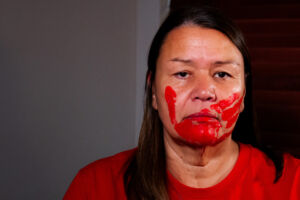
Now ready to jump into the chapter, the reader holds hope that through the ideal lens of truth and reconciliation, this chapter could describe a sea of people adorned in red gathered to acknowledge the epidemic of systemic violence that Indigenous women face.
On a federal and provincial level, it could have described how nation-to-nation dialogue developed over the years so that the unique needs of communities were not only supported but empowered to address the large gaps of accessibility and restorative justice. It could have been an opportunity to celebrate how people worked together to bridge specific challenges with innovative and grassroots solutions.
It could have described how a trauma-informed approach was integrated so that communities could work through the impacts of colonial and multigenerational trauma to be able to connect with themselves and each other authentically.
To grieve in healthy, sacred, and ceremonial ways.
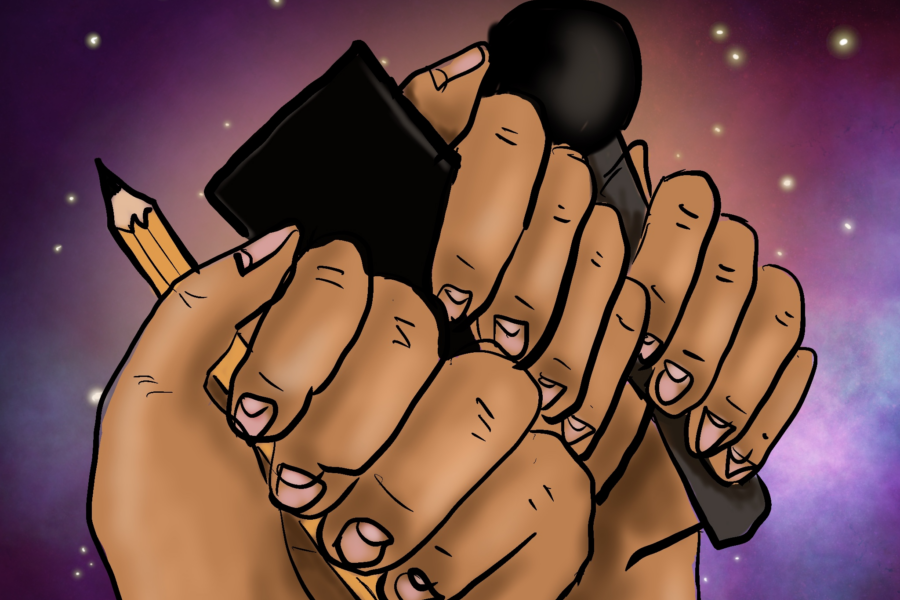
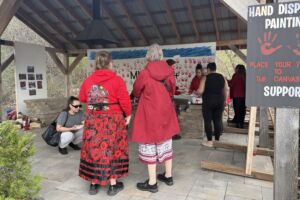
In an ideal chapter, the words would acknowledge the history and the lives of Missing and Murdered Indigenous Women and honour the efforts communities and their neighbours have made through art, research, storytelling, teaching, protests, and events to return the value of women to the world.
It would describe how communities and their Canadian neighbours worked together to create safety.



But unfortunately, that was not chapter five of 2025.
Chapter five discussed how the powers at hand fought against searching the landfill.
It discussed ongoing funding cuts and head in the sand approaches to working together to address systemic injustice and the 94 calls to action.
It discussed the stories of women continuing to go missing and the flood of grief for families, vicarious grief for readers of hard stories and grief for injustice in the legal system.
And at the pit of the stomach still sits that rock, which also carries the grief of our ancestors throughout history.
What this chapter five of 2025 tells us is that providing opportunity for awareness is one thing, but providing opportunity to process grief is another.
What if approaching the National Day of Missing and Murdered Indigenous Women was also about ceremony for what we carry?
What if it was an opportunity to honour our grief and invite our neighbours to honour theirs?
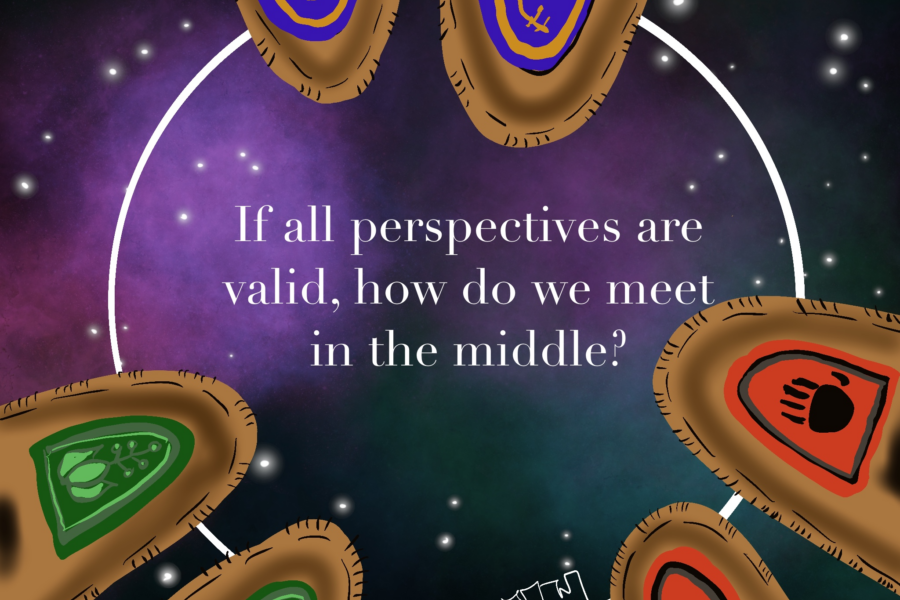
What if emotions could feel, be heard and valued and processed so that we all had capacity to work together?
Imagine our eyes were cleared so we could see?
Sign up for email updates from The Eastern Door
Our ears were cleared so we could hear?
Our throats were cleared so we could speak?
Our minds were cleared so we could think?
And not just as Indigenous people, but as nation-to-nation? So that the powers at hand could see without turning away. Could hear without retaliating. Could speak without speaking over. Could think without judgment.
All trauma work is grief work and in order to return the sacred back home inside of ourselves in an authentic way, we need to make space for feeling.
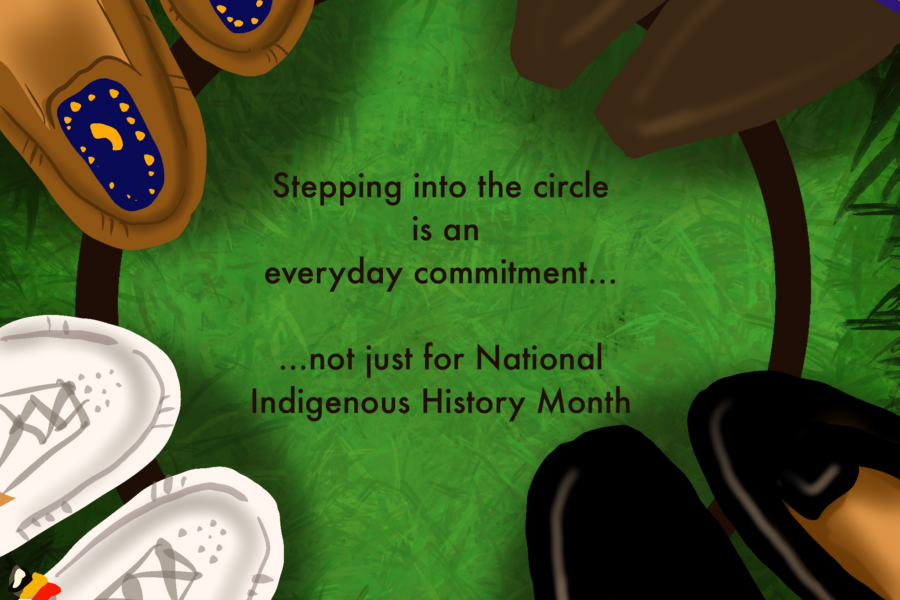
Because at the end of the day, all of our women, men, and two-spirited are all sacred every day…not just one day a year.
Megan Kanerahtenha:wi Whyte
The Eastern Door