Leaders meet to discuss policy progress
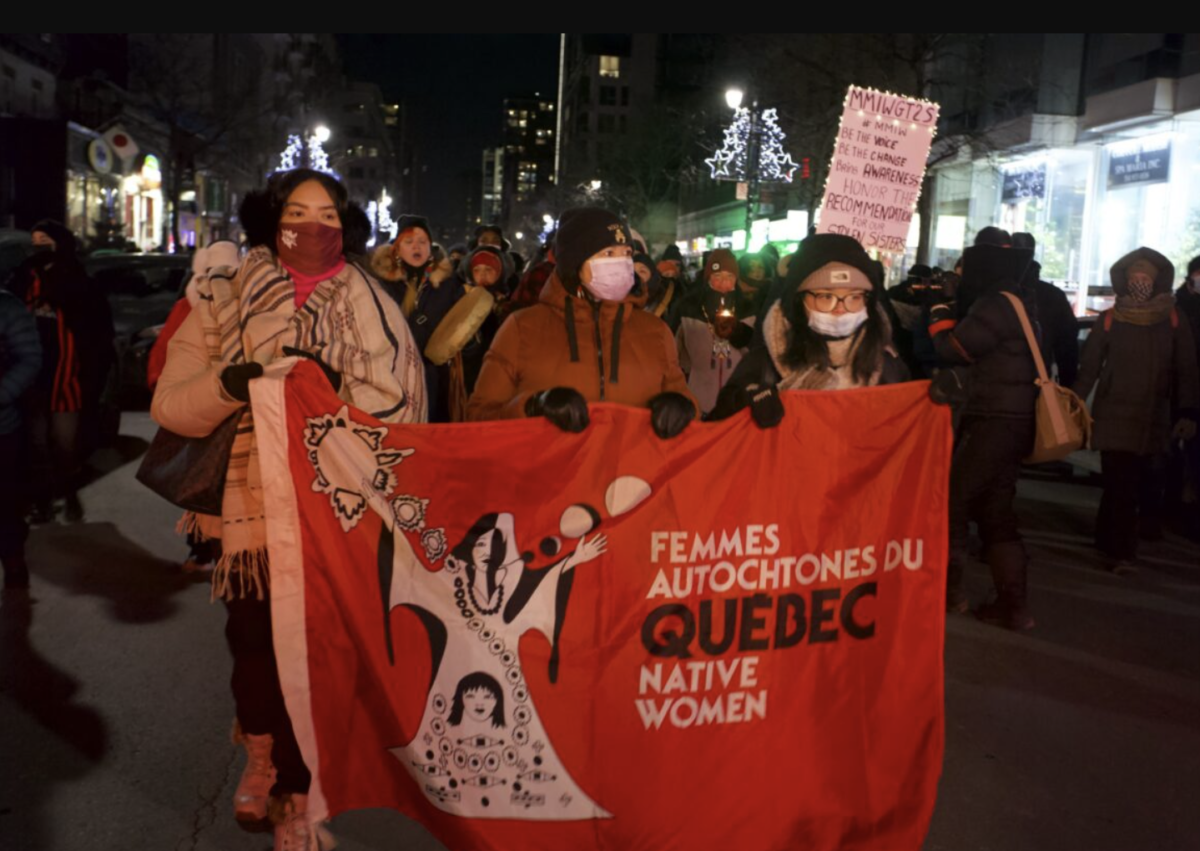
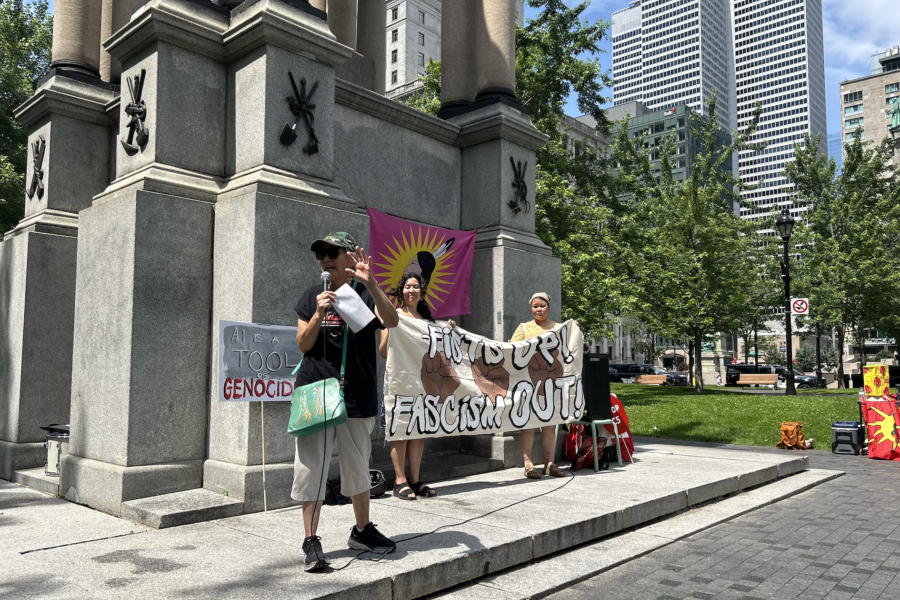
Crowds at a vigil for Missing and Murdered Indigenous Women, Girls, and 2SLGBTQI+ People (MMIWG2S+) in Montreal in 2022. File photo
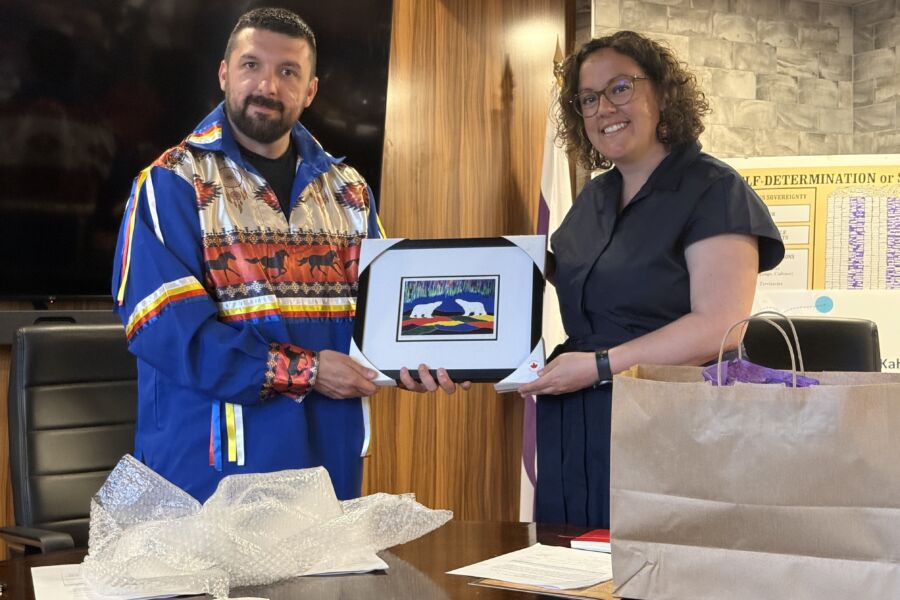
Indigenous, federal, and provincial leaders came together last week for a meeting to discuss the ongoing crisis of Missing and Murdered Indigenous Women, Girls and 2SLGBTQI+ People (MMIWG2S+), discussing strategies to help address the National Action Plan laid out in 2021.
The meeting was the fourth annual National Indigenous-Federal-Provincial-Territorial Meeting, and brought together key leadership over two days to discuss policy and action.
Talks were co-chaired by Hilda Anderson-Pyrz, president of the National Family and Survivors Circle, Rebecca Alty, minister of Crown-Indigenous relations, and Lyne Chantal Boudreau, who is New Brunswick’s minister of seniors and minister responsible for women’s equality.
The three issued a joint statement after the meeting.
“As we work to build a stronger, more prosperous Canada, we must be united in our shared responsibility to protect the lives, rights and inherent human rights of Indigenous women, girls, and 2SLGBTQI+ people,” they said.

“As Indigenous, federal, provincial, and territorial leaders, we came together with survivors and families, recognizing the strength of their voices and leadership in shaping solutions. Grounded in their lived experiences, we are advancing actions rooted in accountability and respect, while ensuring their voices remain at the table as we build a stronger nation together.”
The meeting focused on both the 2021 National Action Plan and the 231 Calls for Justice laid out after the National Inquiry into Missing and Murdered Indigenous Women and Girls in 2019.
According to the Calls for Justice reporting tool available from the government of Canada, only two of those 231 Calls for Justice have been completed.
Kanehsata’kehró:non Mary Hannaburg, the former vice-president of Quebec Native Women (QNW) has been at the helm of fights to address the crisis of MMIWG2S+ throughout her career.
She said that she’s disappointed to see the lack of progress made.



“It’s all piecemeal,” she said. “Violence against our girls and women is a serious violation of human rights. It’s grounded in systemic discrimination and marginalization arising from the process of colonization fostered by the government.”
Part of the annual meeting included discussion of the Red Dress Alert, a proposed alert similar to the Amber Alert for missing children, which would notify citizens by cell phone alert when Indigenous women, girls or 2SLGBTQI+ people go missing.
The group discussed partner engagement work on the proposal, including a recently released final report, with promises of implementing solutions in the future.
Hannaburg said that an initiative like the Red Dress Alert would be impactful, but that it’s difficult to remain optimistic without seeing tangible change.
“It’s not being done fast enough. We’re still waiting for these barriers to be removed,” she said. “You would think that by today with the amount of people that are there working something would be happening. And it’s not. Not by leaps and bounds.”
Sign up for email updates from The Eastern Door
Federal efforts have yet to begin on 82 of the 231 Calls for Justice. Full details about the progress of each item can be found on the Crown-Indigenous Relations and Northern Affairs Canada page of the federal government’s website.