Behind the scenes at Cultural Arts Center
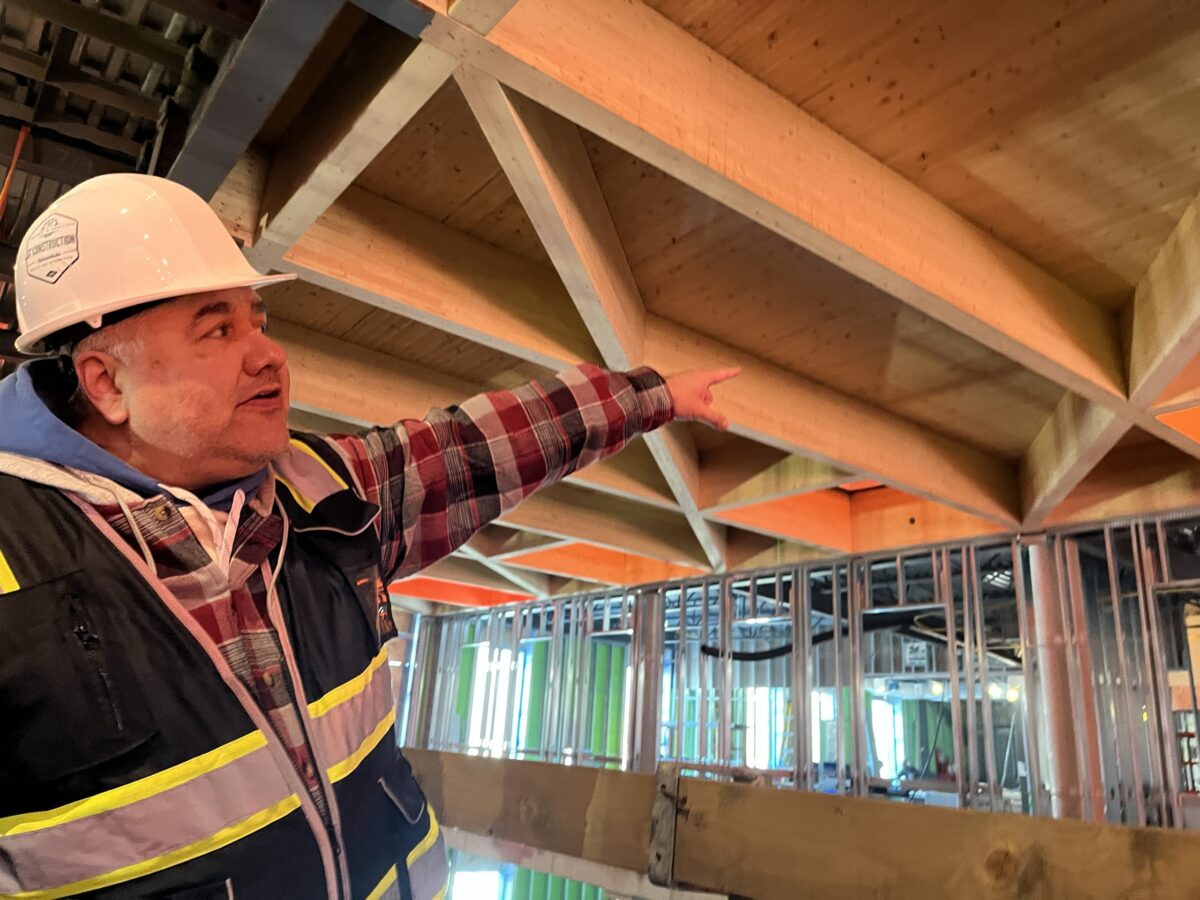
Work on the new cultural arts center, Kanatahkwèn:ke, progressed well during the year, with occupancy just weeks away now. Marcus Bankuti The Eastern Door
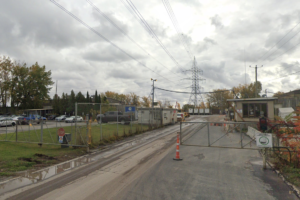
It might feel like the project just broke ground, but Kahnawa’kehró:non driving up Highway 132 might have noticed the Kahnawà:ke Cultural Arts Center (KCAC) is well on its way to becoming a reality.
Envisioned as a jewel of the community – a meeting place, a hub of tourism, arts, and Kanien’kehá:ka culture – Kahnawa’kehró:non have had a keen interest in the multipurpose building that some of Kahnawake’s best-loved institutions will soon call home.
The site will host the Kanien’kehá:ka Onkwawén:na Raotitióhkwa Language and Cultural Center (KOR), the Turtle Island Theatre, Kahnawake Tourism, and even Tóta Ma’s Cafe.
“We were looking at this as being the future area where people can come have a coffee, watch a show in the theatre, go to the museum, learn language, all of those things to make it the hub of the community,” said project manager Louie John Diabo.
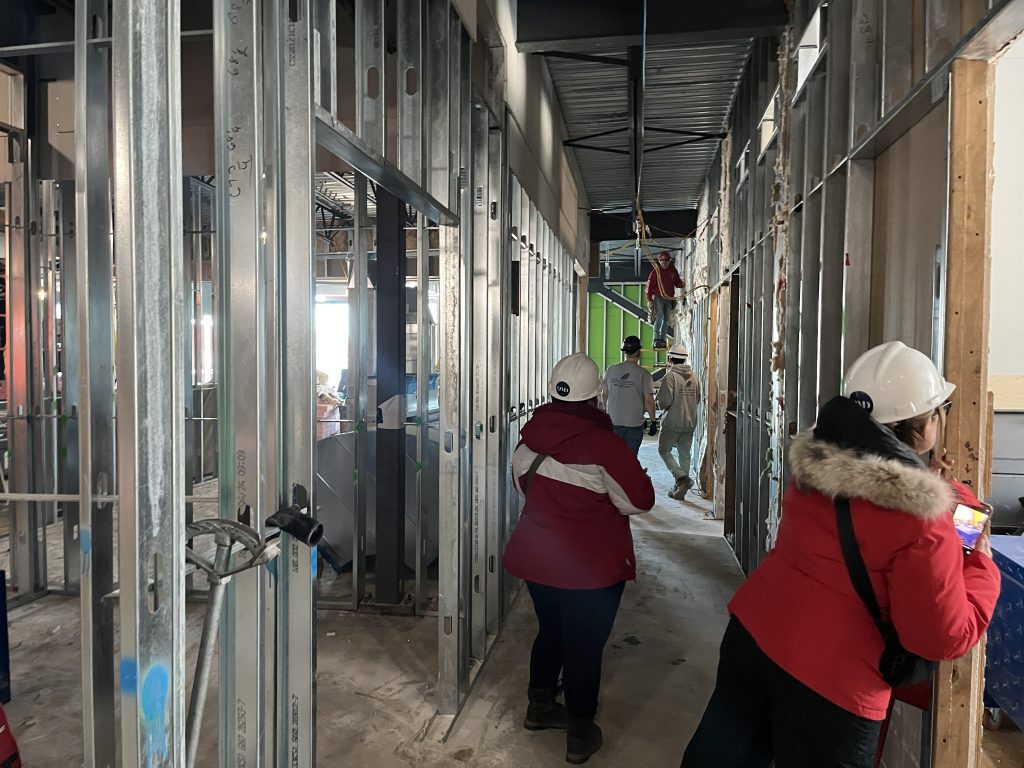
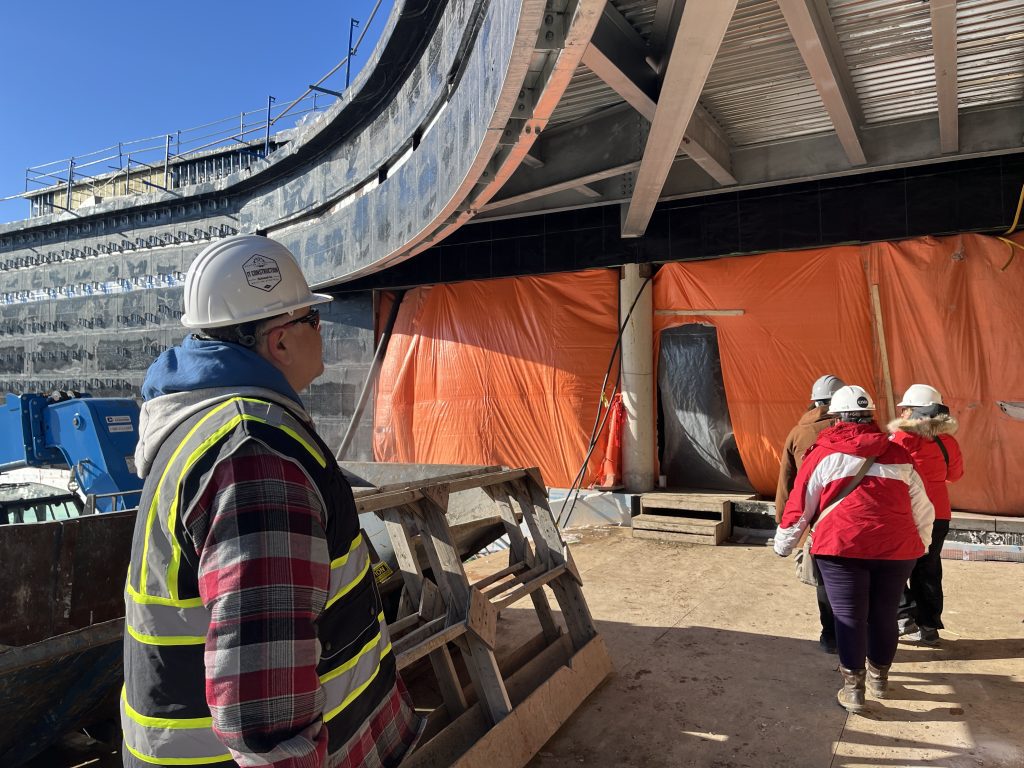
With a December 2025 completion date in sight and occupancy expected by April 2026, The Eastern Door toured the construction site this week to get a sneak peek at the building.
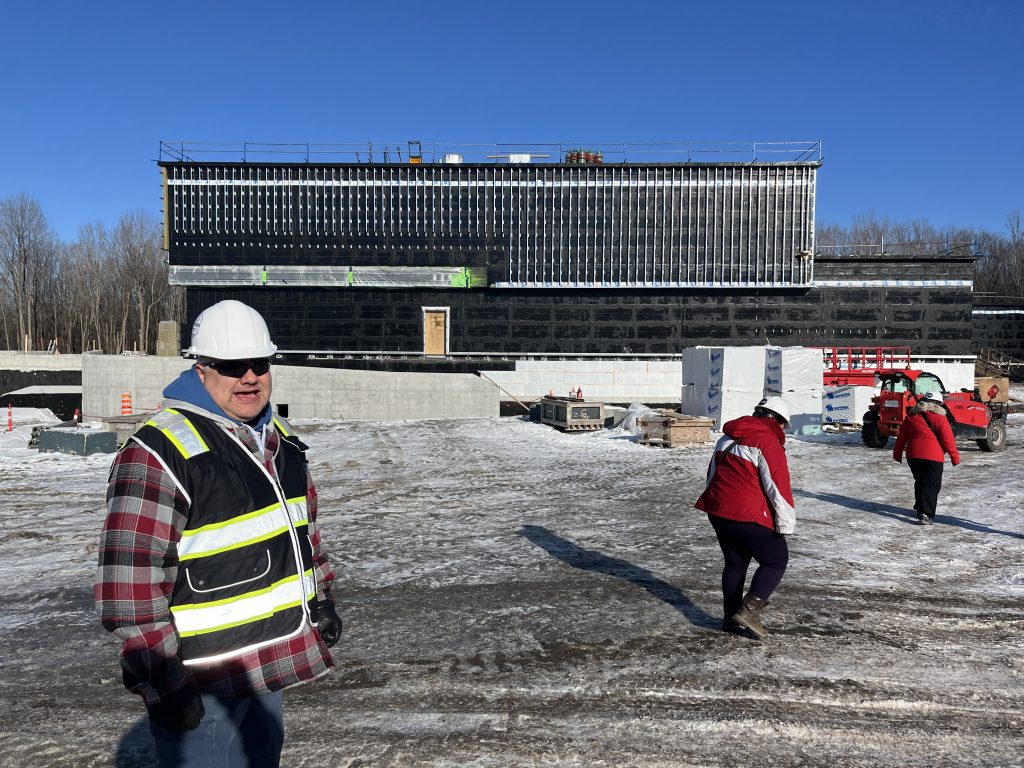
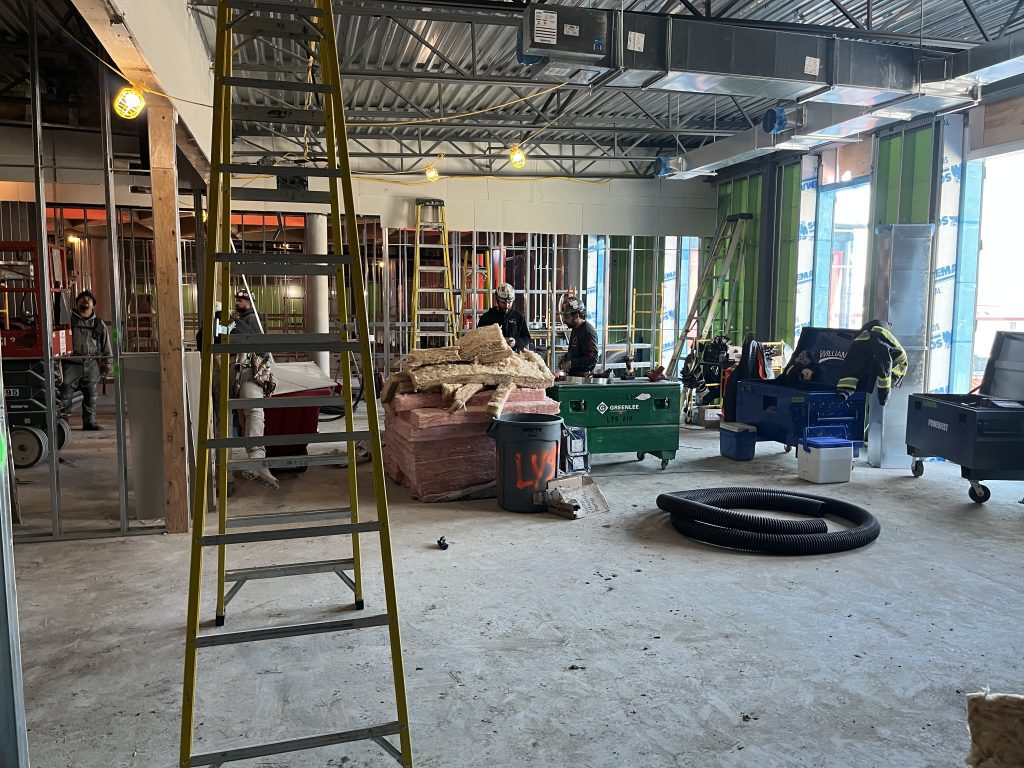
“They just finished the steel on Friday,” Diabo said, the sounds of clanking metal everywhere as scores of workers carrying hammers and drills buzzed around the structure, the site bustling with activity.
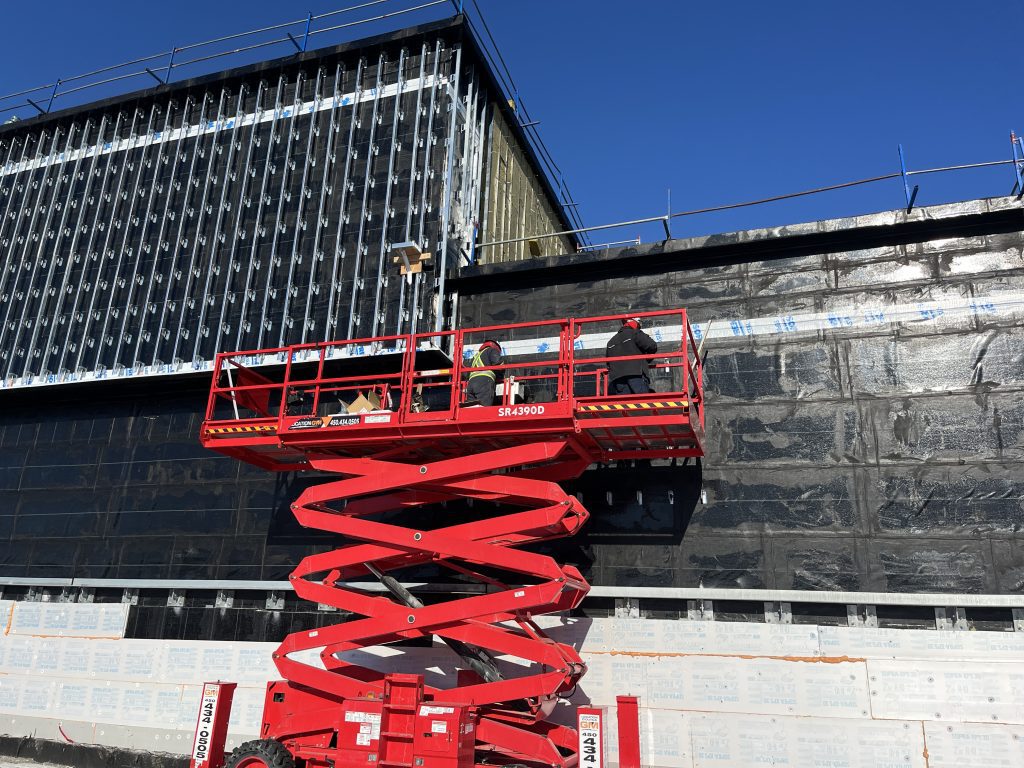
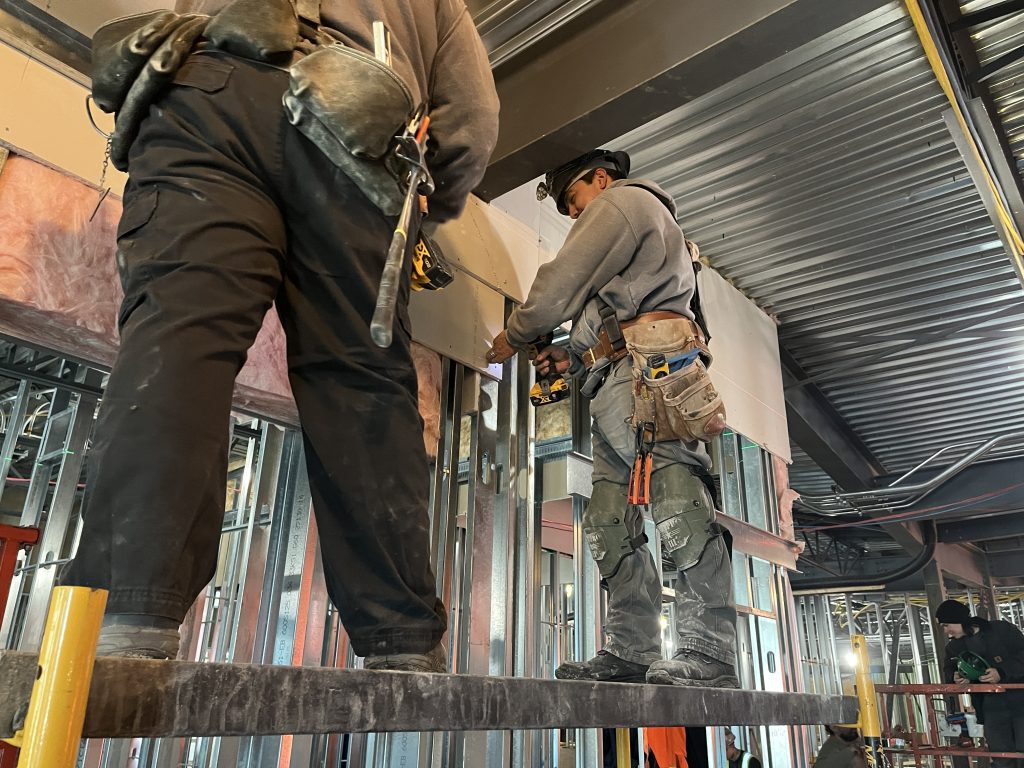
Many of the workers and contractors involved with the construction are local, like Akwiranoron Stacey, owner of Rakwatakwas Carpentry, who is subcontracted on the project.
“We were up on the roof, we were working on the siding, we were doing the walls, we were doing drywall, doing insulation. A little bit of everything,” said Stacey.

“I feel proud to work here,” he said. “It's a building that I'll probably be in in the future, enjoying whatever facilities they have."
Noting the speed of progress, Diabo pointed out that Gyprock is already going up this week. “Three days made a big difference,” Diabo said.
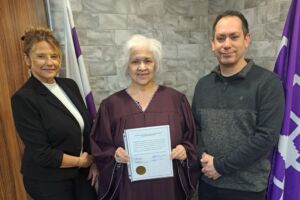
“It’s very inspiring to see it coming to fruition,” said Mohawk Council of Kahnawake (MCK) portfolio chief Melanie Morrison, who joined for the tour. “Seeing the walls, the Gyprock up, you can now envision what it’s actually going to be, and to be here when it was wide open to now, it’s a fantastic feeling that this is going to be completed.”
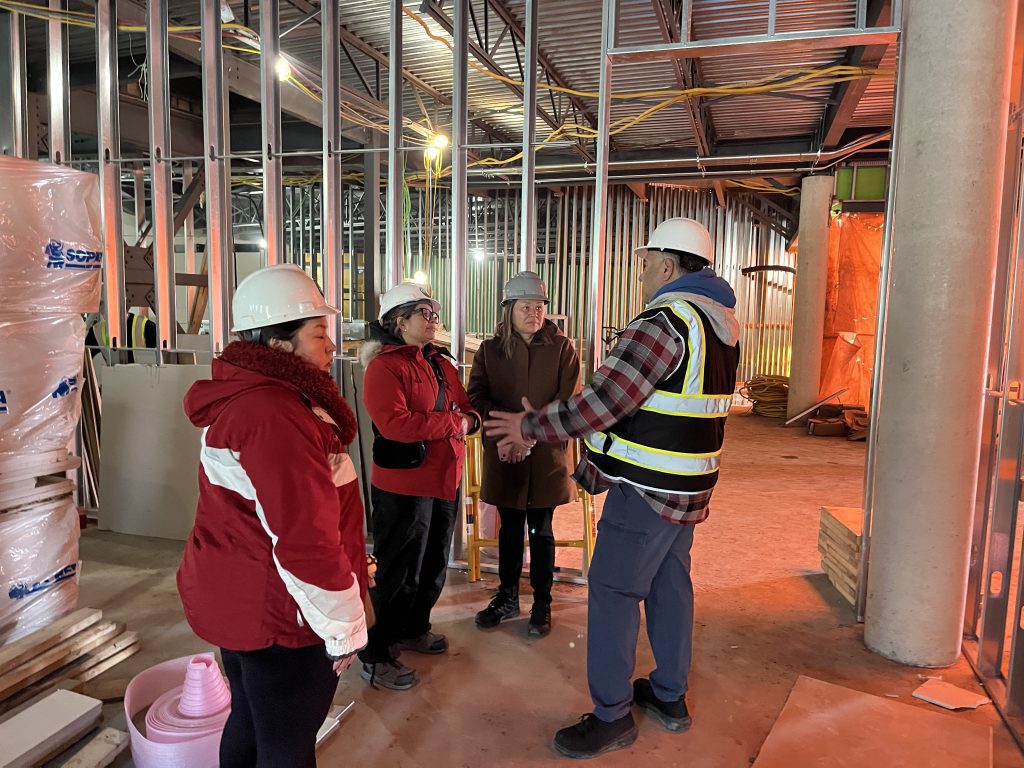
Some areas are already starting to resemble mockups that were shared with the community.
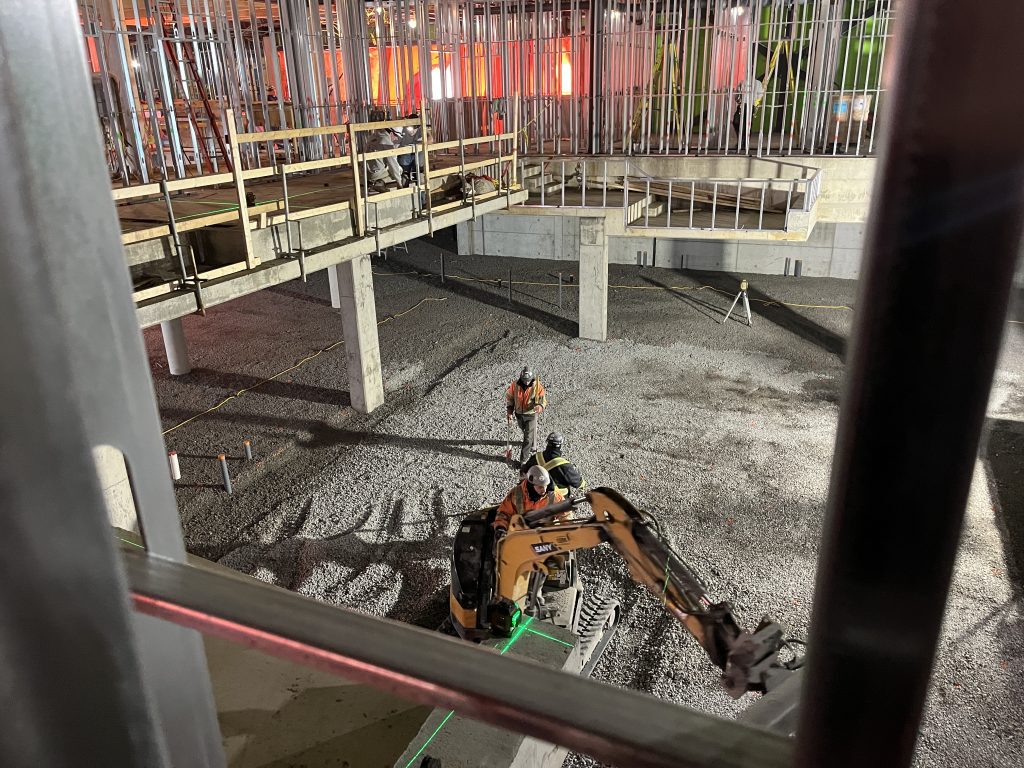
Through steel studs delineating the auditorium, one could see a tractor shuffling gravel where audiences will one day plant themselves in seating that will retract into the walls when the show’s over.
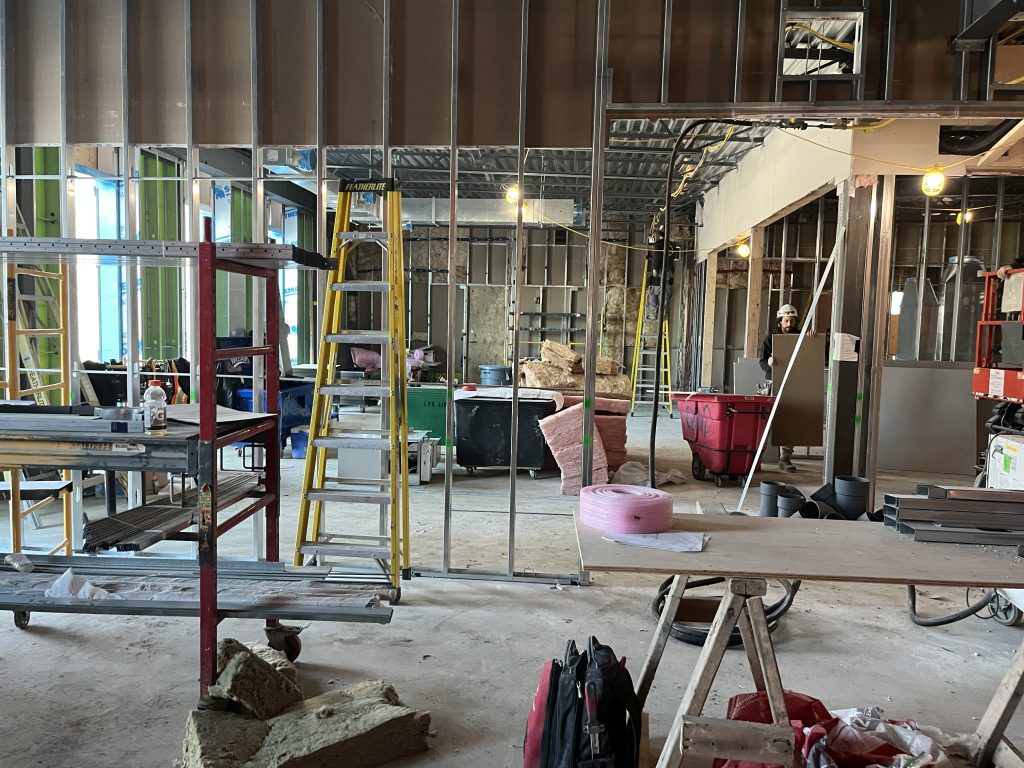
Ample space for Turtle Island Theatre to rehearse is key, according to MCK technician Trina C. Diabo, as it will help preserve the life of the stage by preventing wear and tear.
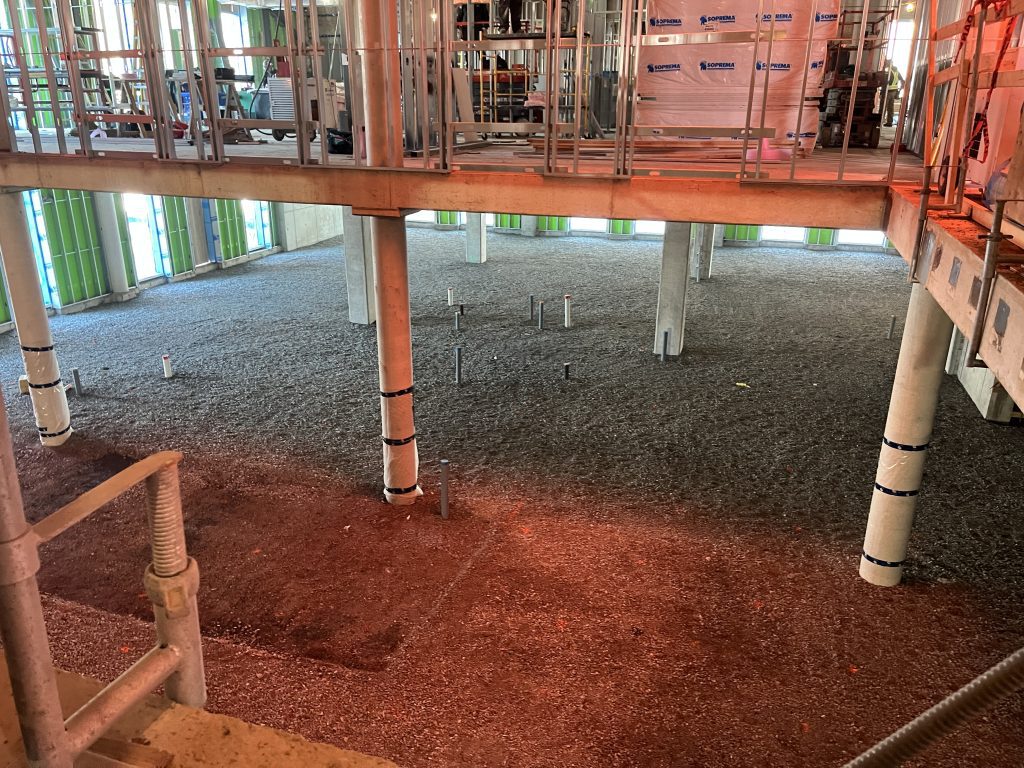
There’s even a balcony that’s already built, with a perfect view of the stage, and the amphitheatre outside is also taking shape.


Another easy-to-parse section was the office of KOR, where a large, well-lit classroom will host generations of learners in the Kanien'kéha Ratiwennahní:rats Adult Immersion Program.
Out the windows, students will see a natural landscape, where there will sometimes be outdoor classes and medicine walks.
“They’re learning their language and they’re immersed in the forest around them,” said Mohawk Council of Kahnawake (MCK) portfolio chief Melanie Morrison, who came along for the tour.
You can even see where Tóta Ma’s will be, with hookups sticking out of the gravel for the cafe’s equipment.
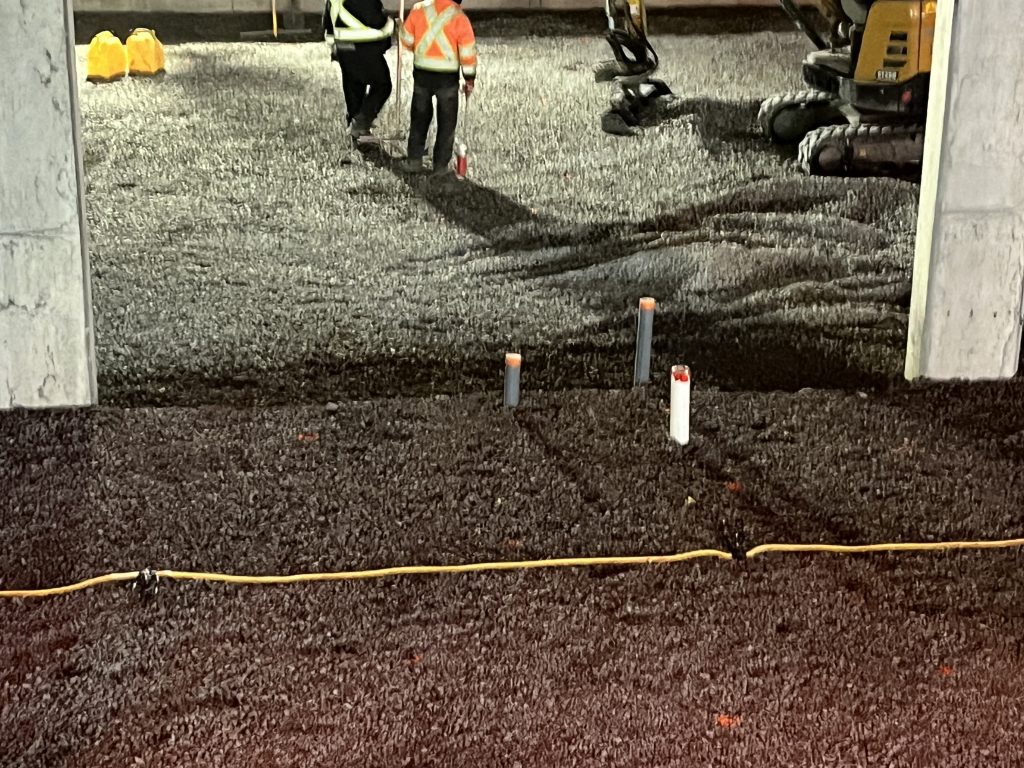
These are the hookups for the future location of Tóta Ma’s Cafe. Marcus Bankuti The Eastern Door
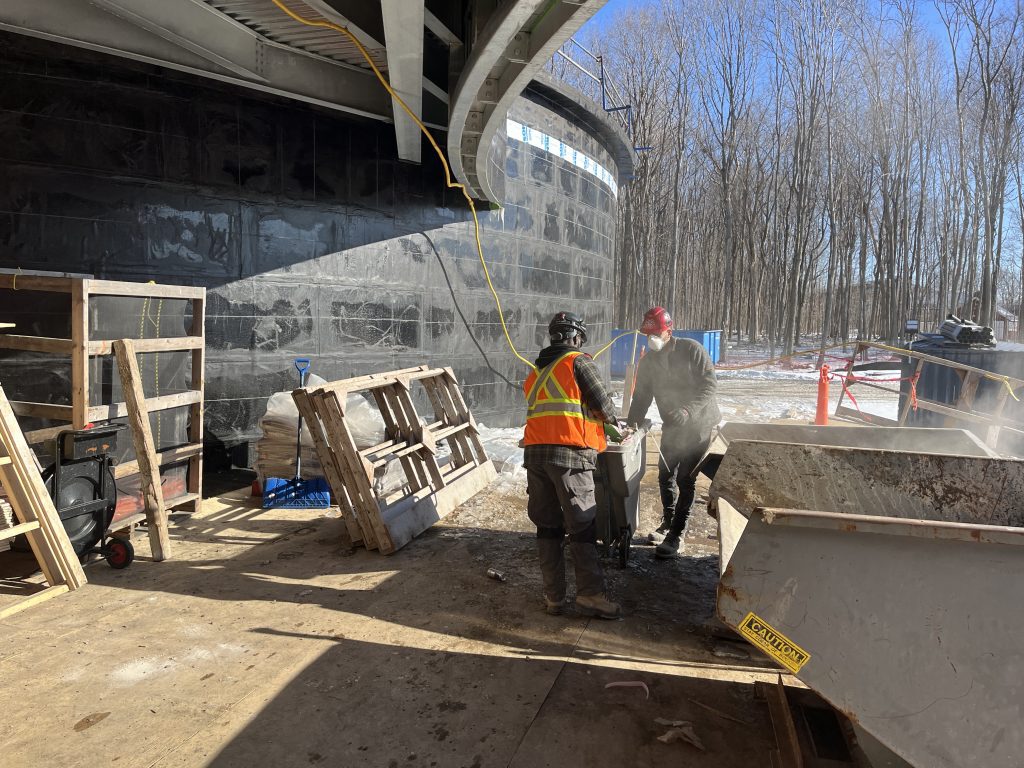
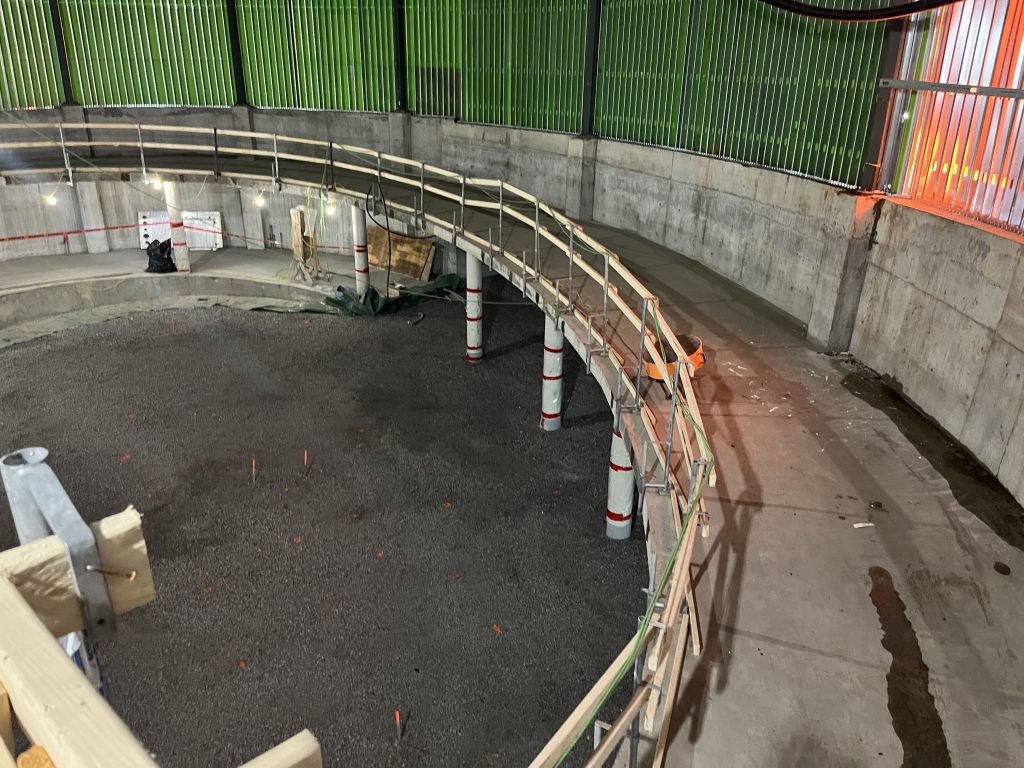
Perhaps the most striking section is one of the building’s most important assets, a spiraling oval in which a state-of-the-art museum will be built. This space will not only boast Kanien’kehá:ka cultural treasures for tourists and locals alike to enjoy, but it will also equip Kahnawake to bring home and preserve precious artifacts, which will be stored in a specially designed 600-square-foot collections room.
Marcus Bankuti The Eastern Door
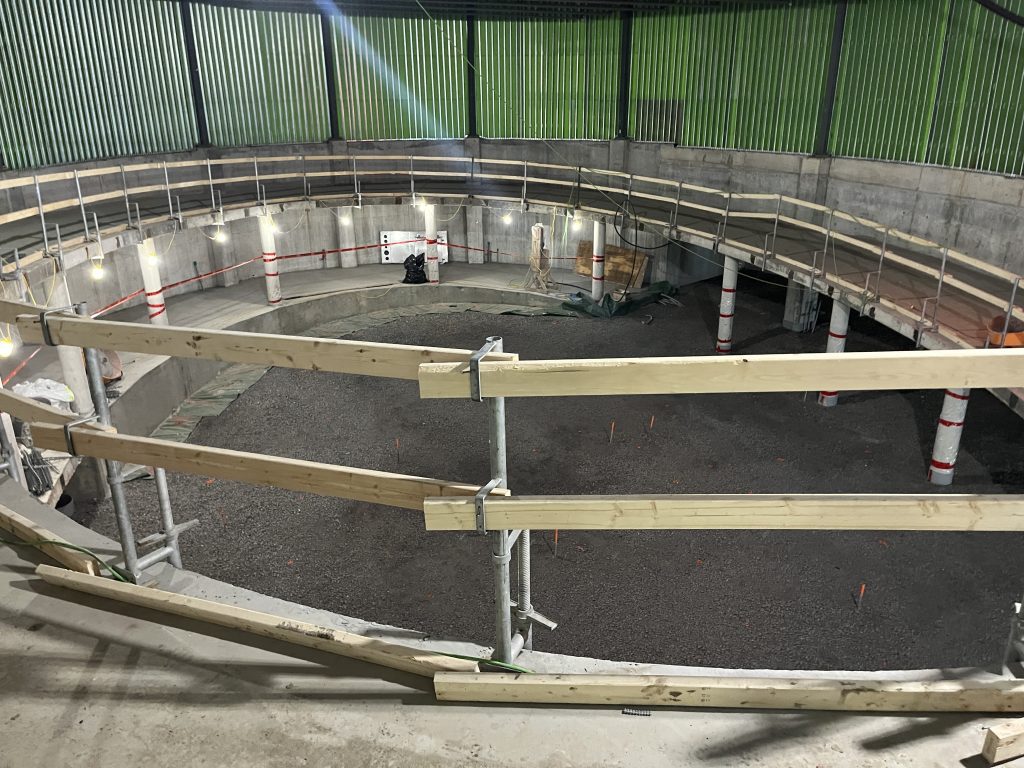
“They will not repatriate unless you have climate control. We knew for sure, starting the project with the museum, it had to be climate controlled,” said Trina.
Meanwhile, as Kahnawake looks toward the building’s completion, the quest to fund the project is also well on its way, but not yet finished.
The KCAC’s budget has been locked in at $55.7 million as of April 2023, well above estimates of around $32 million just a few years ago, which rose due to the impacts of COVID-19 and other inflationary factors on construction costs.
Sign up for email updates from The Eastern Door
“This is the price now,” said Louie John. “Really at the beginning, COVID-flation really threw us a curveball. After the pandemic, prices went through the roof.”
He said the current estimates are bearing out well, while mild winters have also helped keep costs down. At least three quarters of the work has already been contracted out, helping to keep prices predictable, he added.
“We had to redesign, redesign, redesign at the beginning, finally getting to the place now where prices are coming in, and most of the time they’re coming in right on budget.”
So far, the project team has secured more than $47 million in donations, meaning it has raised about 85 percent of the total funds required.
The Capital Campaign, responsible for a portion of the funding, has raised $10.4 million out of its goal of $16 million, with millions more in asks currently circulating, according to Trina C. Diabo. The rest was raised through partnership agreements, federal and provincial contributions, and other sources.
The Capital Campaign has not yet entered its public phase, which is expected in the spring, according to Trina.
“Right now, we are working very hard to try to reach a mark of only needing $2 million,” she said. This last leg could be raised through events like golf tournaments, fundraisers, radiothons, and other means.
Meanwhile, the team is working hard to seek donations, she said, a sentiment echoed by Morrison.
“We need to get people aware that we’re still doing the fundraising. All the great things that are going into this building, they have the opportunity to be a part of that,” she said.
To Morrison, the project represents a bright future.
“It’s going to be something that the community is going to enjoy for decades,” she said. “We finally have something permanent for our culture and language, our theatre, our tourism. We’re going to be able to share our culture with the outside communities and sister communities. It’s very inspiring to see this.”