Protecting our most vulnerable

Megan Kanerahtenha:wi Whyte The Eastern Door
When it comes to protecting our elders, you’re either actively part of some kind of ongoing work/solution, or you’re not.
Elder abuse awareness week is coming up and it’s a good time to ask yourself what it is, exactly, you are doing to help our most vulnerable.
Some people get groceries for our elders, cut the grass, do snow removal – all noble jobs. But are we actively respecting them? Protecting them? Honouring them?
That doesn’t just mean you bought an elder a coffee and listened to them until quitting time. It also comes in the form of actively searching for solutions to their problems – whether it’s finding enough food to eat, seeking out social interactions, or saving them from the increasingly dangerous scams that too many fall victim to.
But aside from being there for them in times of crisis, which is important, listening to their stories is also an important act to help them overcome the loneliness of seeing more and more friends passing away.
Listening intently and remembering those stories so you can then pass them on is part of our traditions, and it goes back way before those elders were even born, of course, to thousands of years ago, connecting us to our ancestors.
We, as a newspaper, tell many stories, but we also act as an archive for them, hoping future generations cherish them like we do and seek them out to learn them.

From our Blast from the Past segment, which no longer exists, to Sharing Our Stories, which is its own registered nonprofit, our elders mean so much to us we are willing to keep them in prominent places in the paper each and every week.
And with each week, seemingly, we lose another elder – ones who carry our stories, our language, our culture, and our history.
Recently, we lost Winston Standup, whose funeral was this Thursday (June 5). He had a passion and a fire burning in him, a beloved man who held a plethora of those stories and was always willing to share them for everyone to learn.
Winston is the type of person we honour every day, along with so many others who have trusted us to tell their stories.
If you see something isn’t right, if an elder is pulled back from life, in pain, sadness, or with any other signs, it’s up to you to check on them.
Sure, we all know Kanien’kehá:ka elders can be stubborn, but maybe they will realize you care, and they will reciprocate by going to a doctor, or opening up about what ails them.
Some elders have nowhere to turn. Some are being secretly abused, as family members steal money from them or allow them to gamble it away because they say “well, it’s their money.”



But the reality is any addiction, whether it’s gambling, drinking, doing drugs, or any other excessive behaviour, is not healthy.
Spending all your money on slot machines, for example, is not the way to go. It’s sad, really.
We say it takes a community to raise a child, but it also takes a solid community to look after and really, truly respect its elders.
That comes with sacrifice, with talking and a whole lot of listening, but also of just being there to lend an ear, even if it’s talking about the old days and what once was.
That’s medicine, both for the elderly person and for the one taking the time to listen.
One day we will all get there, and these same thoughts will roll through our heads, but the question we may ask is “why doesn’t anyone come to see me?”
Elder abuse comes in many forms and neglect is certainly one of them.
Sign up for email updates from The Eastern Door
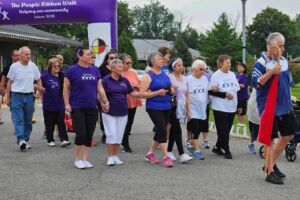
Check on your elders in a snowstorm but check on them to bring them for a walk on a sunny day, too.
You’ll be happy you did.
Steve Bonspiel
The Eastern Door