New gaming mandate made official
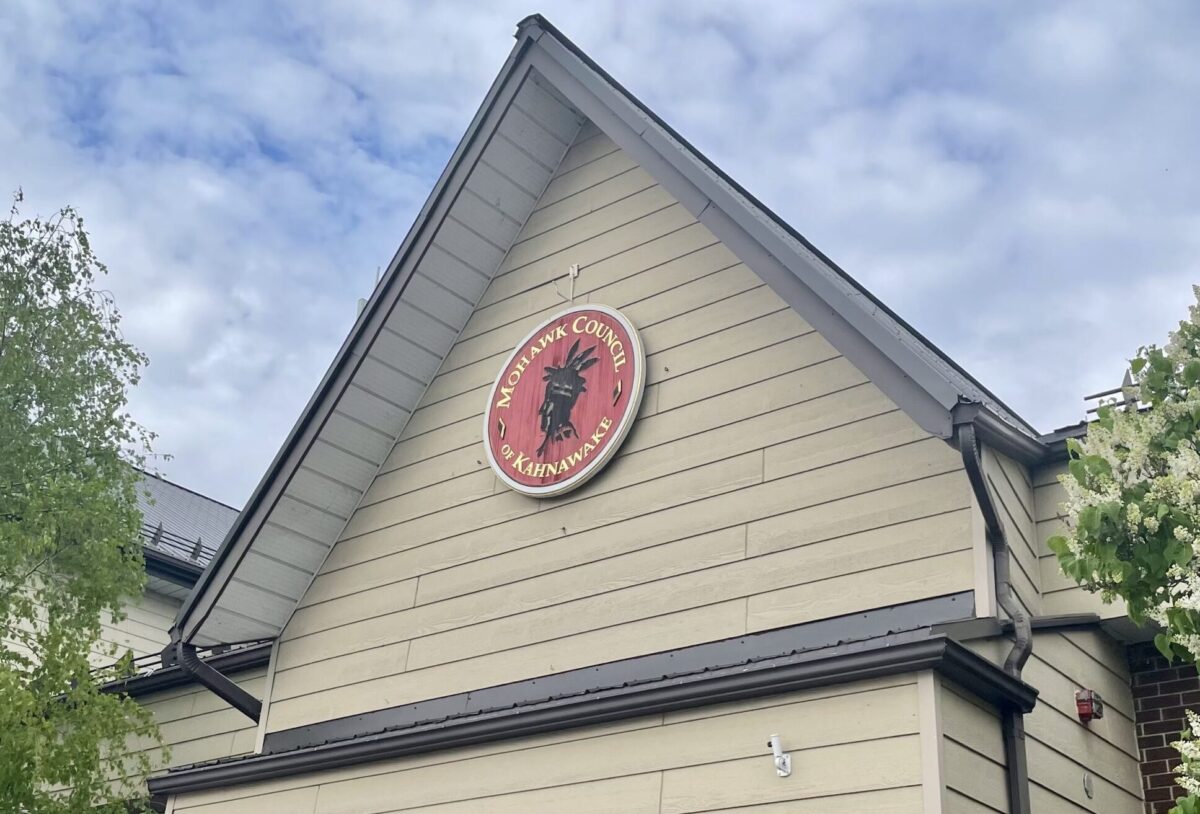
A new mandate for Kahnawake’s Gaming Working Group (GWG) could strengthen the industry enough to double annual gaming revenue in the community, according to Mohawk Council of Kahnawake (MCK) chief Paul Rice - though some have reservations about the wording of the mandate, which includes requirements to negotiate agreements with other entities to recognize Kahnawake’s jurisdiction.
“The idea is that we want to strengthen our gaming industry, we want to enhance it, not just from the jurisdictional perspective, but also to ensure we have that own-source revenue for our people, to fund, invest, and provide benefit to our community,” said Rice, who is the lead on MCK’s economic development portfolio.
Included in the new mandate is the requirement to develop and recommend long-term strategies to advance Kahnawake’s position as a leader in Indigenous gaming governance, identify emerging opportunities and risks to the community’s gaming jurisdiction, economy, and regulatory autonomy, and to develop and support the legal frameworks necessary to support the creation and implementation of gaming partnerships in Kahnawake and externally.
That includes frameworks for licensing, compliance, and anti-money laundering.
The mandate will also see the GWG monitor and respond to existing, proposed, or pending legislation and regulatory frameworks at the federal, provincial, and international levels.
That includes engagement with other First Nations, external governments, regulatory bodies, and other stakeholders, with the aim of negotiating agreements, understandings, or legislative carve-outs that recognize and uphold Kahnawake’s jurisdiction.

“We need to make sure that we’re standing up for our inherent and sovereign right to gaming,” Rice said. “We want to stand shoulder to shoulder with other nations who are starting to ask the questions of why they have to share revenue with the province, or how they can get involved in online gaming. It’s a groundswell of reasons for us to push this mandate as far as we can, not just or the benefit of our people, but for all First Nations people and their communities.”
Community member Winona Polson-Lahache, who was MCK’s chief political advisor until late last year, said she has some concerns about the wording of the mandate, particularly with regards to language about negotiating with external governments to recognize Kahnawake’s jurisdiction.
“I didn’t agree with that very much, because I felt like throughout the years we’ve always maintained the position that we assert our authority, and if we seek agreements it’s normally to ensure that Canada respects that we’re asserting our jurisdiction, it’s not to look for them to recognize the jurisdiction itself,” she said.
“When you’re looking for somebody to recognize what you’re doing, you’re seeking validation, and I really think that’s contrary to what we’ve believed and maintained throughout our history, which is that we deal on a government to government level, not on a level where we are subservient to an external government.”
She said that she feels it’s not up to the MCK to negotiate a recognition of the community’s rights.
“In my opinion, elected governments don’t have the authority or mandate to be negotiating. These are things that belong to the nation to negotiate,” she said. “I don’t have any issues with the MCK going out there and making sure that our rights aren’t being trampled on or compromised, but they don’t have a mandate to negotiate the existence and application of them.”




Rice said that the wording of the mandate doesn’t mean Kahnawake is looking to external governments for validation, but that it will allow for more wealth to be generated for services in town.
“Right now, we’re not competing on an even playing field with the provinces, because the provinces in the commercial aspect of things have an advantage where there’s no question from service providers, from marketing, from financial institutions, from all of these things that support the gaming industry,” Rice said.
“If a provincially regulated entity reaches out to them, it’s not a problem, but if a Kahnawake regulated entity reaches out to them, they have to think about it. It’s not about seeking validation or recognition from external governments, it’s that our jurisdiction needs to be recognized in the context of practical applications in the industry itself.”
Gaming has been a fraught subject in Kahnawake, with the abrupt closure of Magic Palace in 2024 resulting in the owners of the facility launching an ongoing lawsuit against the MCK for more than $200 million - almost the entirety of Council’s net financial assets.
Magic Palace’s license to operate electronic gaming devices (EGDs) was suspended by the Kahnawake Gaming Commission (KGC) and subsequently revoked after MCK terminated their royalty agreement with the facility.
In MCK’s annual budget, released in April of this year, $25 million in revenue was projected to flow from EGDs.
Sign up for email updates from The Eastern Door
Rice said that the KGC will soon release a call-out for new EGDs on the territory and said that the MCK will be conducting community engagements concerning both land-based and online gaming.
The GWG is comprised of representatives from the MCK and the Kahnawake Gaming Commission, and its full mandate can be found publicly on the MCK’s website.