Learning with intention
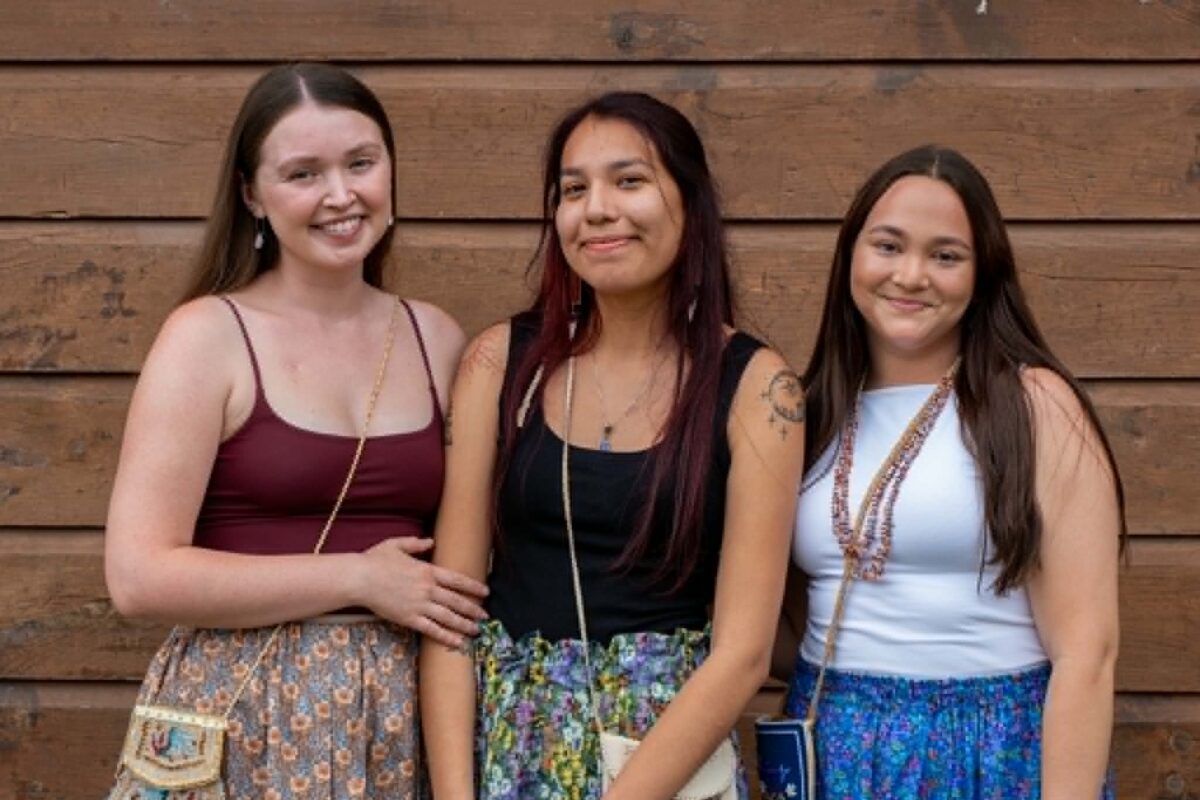
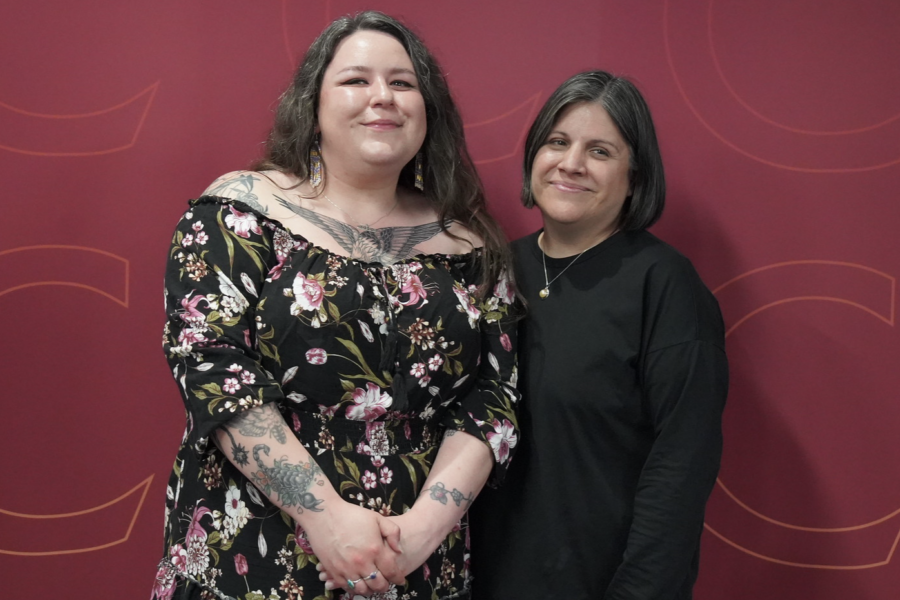
From left to right: Teyohá:te Brant, Liv Bigtree, and Karonhiióstha’ Skye at this year’s Kanien’kéha Ratiwennahní:rats graduation. Courtesy Liv Bigtree
Liv Bigtree didn’t grow up speaking Kanien’kéha - but her younger siblings did. It was spending time with them that gave her the push she needed to apply for Kanien’kéha Ratiwennahní:rats, the two-year immersion program offered by the Kanien’kehá:ka Onkwawén:na Raotitióhkwa Language and Cultural Center (KOR).
“I didn’t want to be the reason why they had to speak English,” Bigtree said. “And I really wanted to support them during their language journeys as well.”
Bigtree is from Onondaga, and grew up partly in Akwesasne, where her father’s family is from. While she attended school just outside of Syracuse, her siblings attended the Akwesasne Freedom School, and have been inspiration for her throughout her language-learning journey.
“Growing up around them and hearing them speak, just seeing kids grow up with the language and confidently speak, and having the support system to do that, definitely pushed me to take more action,” Bigtree said. “It was something I always wanted since I was a kid.”
The application process was daunting, but Bigtree relied on support from her friends and family who encouraged her to take the plunge and apply. Though the interview process was intimidating, she spoke from the heart about why she wanted to commit herself to the language.
“To put it pretty plainly, I was extremely nervous,” she said. “It was nerve-wracking, but you have to do your best to make sure you’re calm as possible.”

The call that she had been accepted into the program came at the right time. Bigtree was visiting home in Onondaga, having a hard day and sitting outside alone.
“I was just really excited, really happy, really grateful,” she said. “I just knew that this was a part that always felt to me like I was missing.”
For Bigtree, another major motivation to learning Kanien’kéha has been her dreams to one day start a family. When she does, she wants her children to grow up as speakers.
“I wasn’t sure how I was going to get to a point to raise my children speaking Onkwawén:na’, and I just felt relieved when I realized ‘Okay, this is the way I can do that,’” she said. “I was coming from a place where I thought that would really never be possible.”
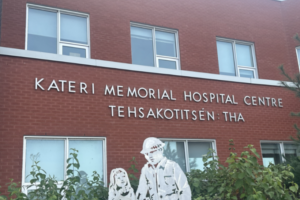
After the initial excitement subsided, she and her family immediately started brainstorming how to make attending the program work - Bigtree managed to secure lodging in Kahnawake for the duration of the program, and soon she found herself sitting with the rest of her cohort in the classroom for her first day, full of ambition for what was ahead.
“I remember thinking, ‘Okay, what do I do to ensure that I’m staying focused, I’m fortunate and grateful to have these two years, not everyone gets that opportunity,’ and I just tried to do what I could to orient myself to that goal of putting aside two years, just for the language,” she said.
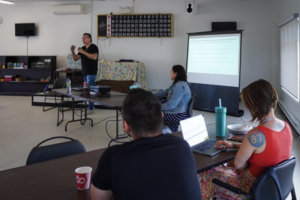
Her classmates came with a range of different abilities, some having grown up with more Kanien’kéha than others. They were able to lean on one another for support, and relate to their similarities and differences.
“I didn’t feel alone, and I think seeing how we all evolved and grew over time was really cool,” she said. For Bigtree, the hardest moments weren’t memorizing flashcards or preparing speeches, but instead in thinking about the big picture, and reflecting on the ‘why’ of pursuing fluency.
“I’d say it’s impossible to become a speaker if it’s just a hobby, you really have to carry that responsibility with you into everything you do if your end goal is to become a speaker, and I could definitely feel the weight of that responsibility at times, and it’d get really heavy on me,” she said. “I’d think, ‘When that day comes, are my children going to have enough people to speak with?’ And there’s weight and responsibility in bringing the language back home to your families.”
When things got tough and progress felt slow, she was grateful to have a supportive community around her in her fellow learners, too.
“I’m not very good at hiding my emotions, but there was always somebody there to check on me and make sure I was okay, which I’m just eternally grateful for,” she said.
“Even if I don’t get to see them every day anymore, we’re all definitely lifelong pals from having done this journey together,” she said.
Sign up for email updates from The Eastern Door
Her biggest advice for future Ratiwennahní:rats learners, or any potential speakers is simple.
“It’s really important to love the language,” she said. “Going into it through love is the way to be a successful speaker.”