Mapping project reveals crucial data
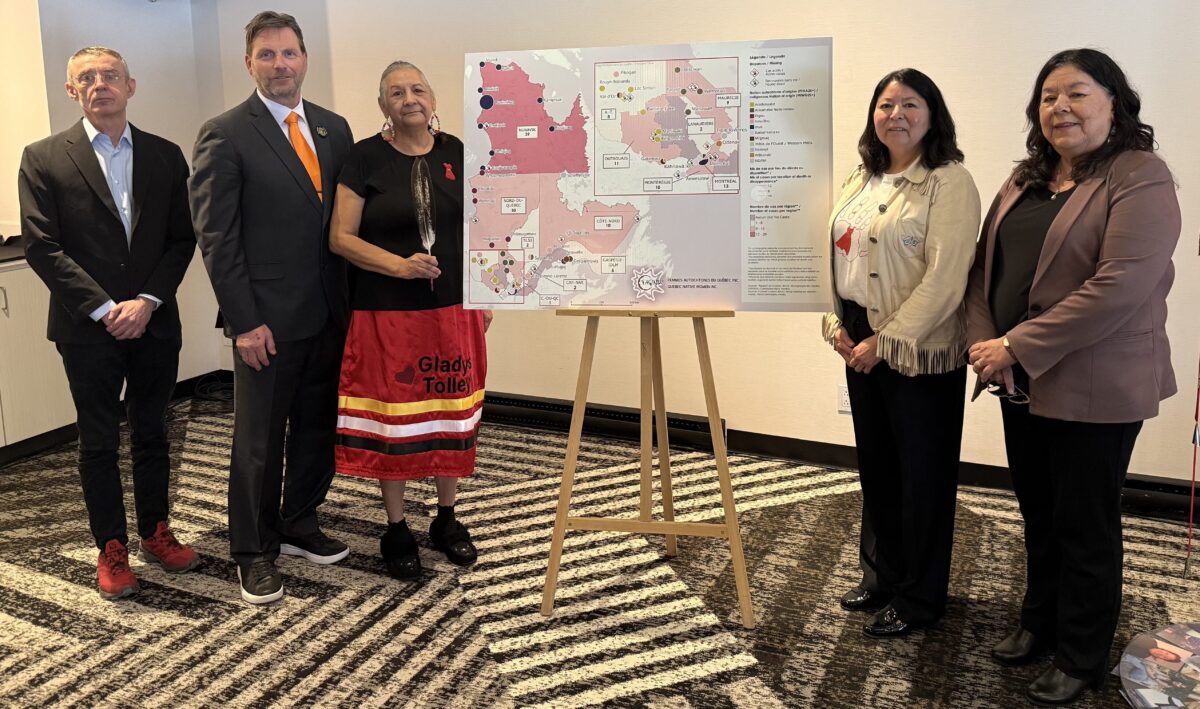
The mapping project was unveiled at a press conference this week. From left to right: Paul-André Perron, strategic advisor to the Coroner’s Office, Pierre Simard, director of the QAFNIPD, Bridget Tolley, member of the MMIWG2S+ Mapping Advisory Committee, Marjolaine Étienne, president of QNW, Laura Rock, interim executive director of QNW. Courtesy Quebec Native Women
A mapping project that has been years in the making will provide concrete data related to the ongoing crisis of Missing and Murdered Indigenous Women, Girls and Two-Spirit People (MMIWG2S+) in Quebec, information that its creators say will shed light on the sheer scale of the crisis dating back decades.
The project was produced by Quebec Native Women (QNW) in partnership with the Université du Québec en Outaouais (UQO), and documents 124 cases of MMIWG2S+ in Quebec from 1950 to this year. It was supported financially by Crown-Indigenous Relations and Northern Affairs Canada (CIRNAC) and represents two years of work by QNW and UCO.
“I do believe that families deserve a platform like this. Families need to be heard,” QNW president Marjolaine Étienne told The Eastern Door.
The project included consultations with families of MMIWG2S+, as well as the documentation of deaths deemed suspicious throughout the period. A total of 220 stories were gathered throughout the process, which was overseen by a Mapping Advisory Committee made up of advocates and loved ones of MMIWG2S+.
“Involving them also supports their healing processes, and it means a lot to them to be able to share their expertise and also their experiences,” Étienne said.

“It’s made it possible to see the full extent of the realities faced by Indigenous women across Quebec.”
Mohawk Council of Kahnawake (MCK) chief Melanie Morrison was in Quebec City for the official unveiling of the project this week. Morrison’s sister, Tiffany Morrison, went missing at the age of 24, in 2006. Her remains were found nearly four years later, less than a kilometre from her home.
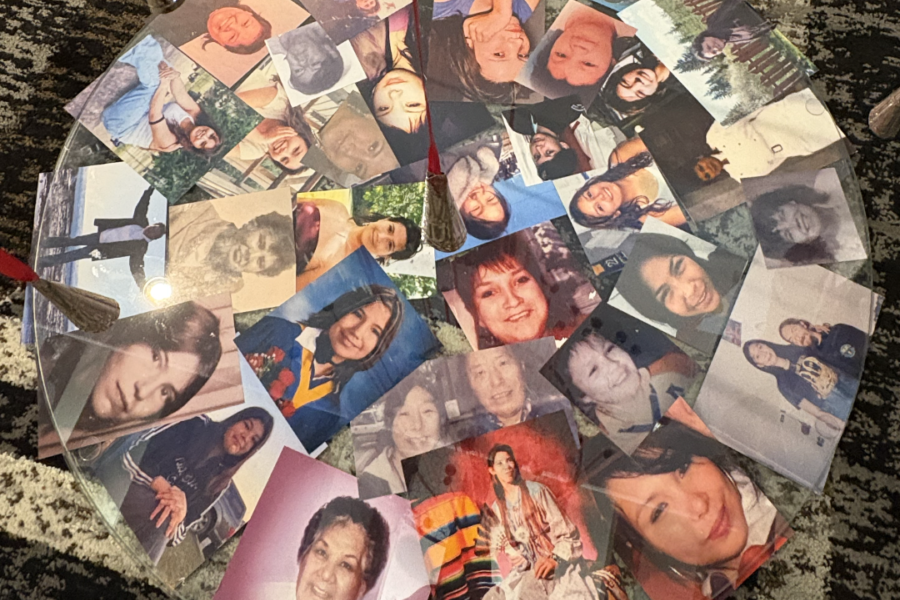
“I was very emotional, because there’s never been this kind of hard data before in Quebec about how many official cases there are, so it’s a really good step forward, but there’s still more to be done,” Melanie said. “It’s uplifting now that we have numbers that can’t be refuted. It’s actual data that was collected.”
She said that the data will be useful not just to investigators and police forces responding to missing cases, but also to communities across Quebec.


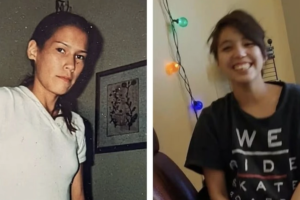
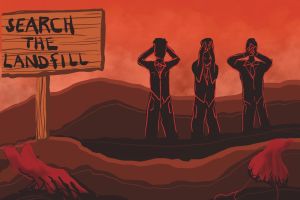
“That information needs to go to all communities to show that our women are still at a high risk, even here in our own community,” she said. “Hopefully it’s going to bring to light the issue here in Quebec and people will see that we do have MMIWG2S+ cases ongoing that need to be addressed.”
Of the 124 cases documented in the report, 96 involve murdered women and girls, 14 people remain missing and haven’t been found, and 14 people were reported missing and were subsequently found dead.
Data from the Quebec Association of First Nations and Inuit Police Directors (QAFNIPD) was also included in the project - the association reported more than 2,500 cases related to violence opened across their 22 police services in 2024 alone.
Pierre Simard, director of the QAFNIPD, said that number only provides a glimpse into the reality of the situation, adding that many cases of violence go unreported in communities.
“Too much violence still remains hidden,” he said. “Our support demonstrates that another approach, based on collaboration between police services, community organizations, and institutions, is possible, in order to better prevent violence and protect Indigenous women.”
Sign up for email updates from The Eastern Door
Bridget Tolley, a member of the Mapping Advisory Committee, said that the project will be essential to helping families heal. Tolley has been active in the MMIWG2S+ movement for decades, having taken it upon herself to investigate her own mother’s death in 2001 after finding that the police investigation into what happened was closed without her knowledge.
“Now we can start healing, we can start helping families and do what’s best for our next generations. These children of these families of women that are murdered are growing up, they want answers,” she said.
“I’ve been asking for answers, I’ve been asking for meetings, with no response,” she said. “With this data, at least we’re going to know who is missing, where they went missing, and how we can help the families.”
An interactive version of the map can be found on QNW’s website, with further information about the project.