Report examines child welfare issues
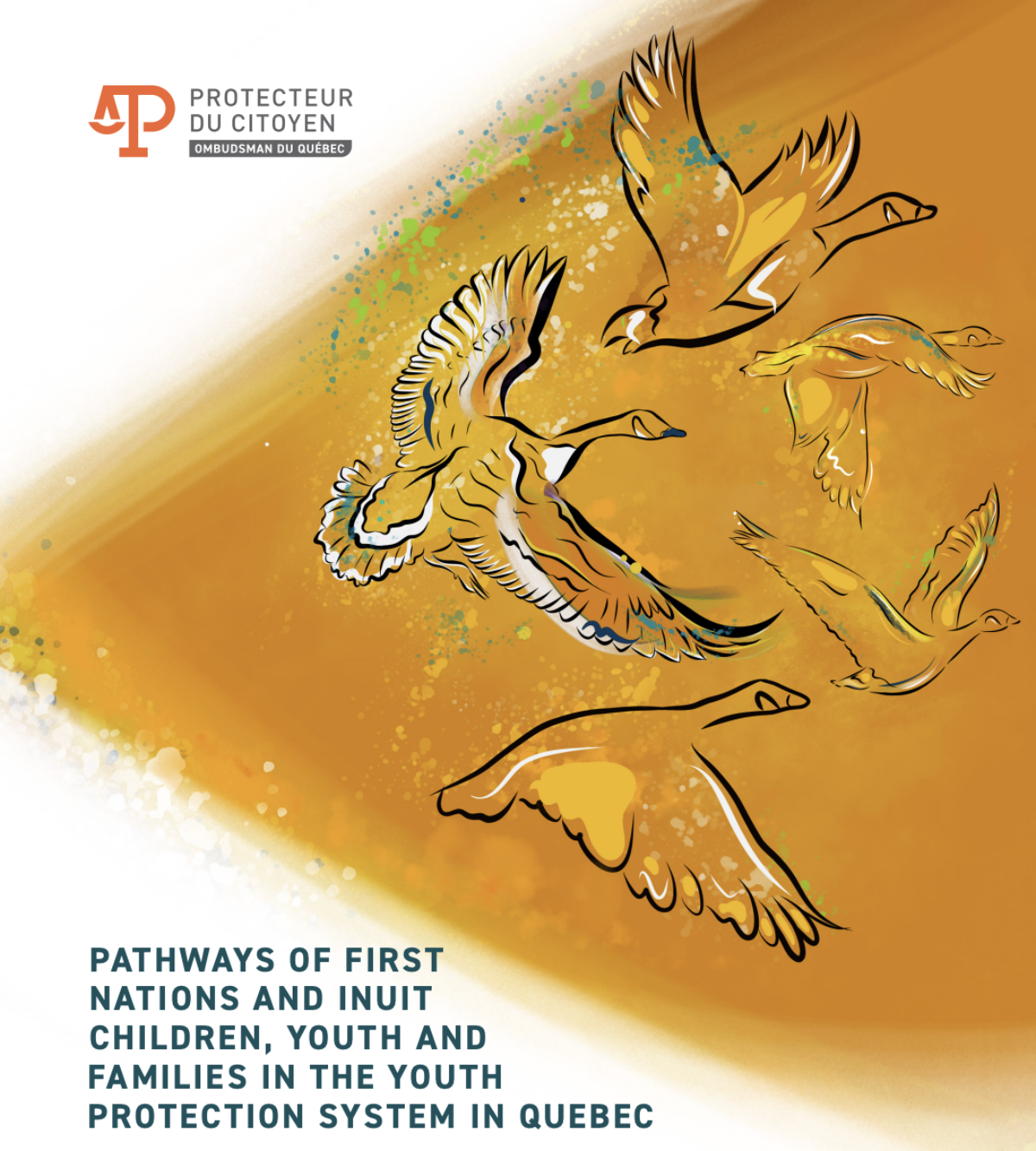
The report is the second follow-up report after the 2016 Viens Commission. Courtesy Protecteur du citoyen
A new report from Quebec’s ombudsperson has highlighted persistent issues that First Nations and Inuit face in the child welfare system, including barriers that children face as a result of difficulties coordinating responsibilities across different levels of government.
The report was published at the start of this month by Quebec’s protecteur du citoyen, also known as Quebec’s ombudsperson, an independent institution that serves as a watchdog for the province’s public services.
It comes as a follow up to a 2019 report that outlined progress on the Viens Commission, which was launched back in 2016 to investigate systemic discrimination against Indigenous people in Quebec.
“One of our key findings is that the quality of the relationships amongst stakeholders, wherever they’re coming from, is crucial,” said Marie-Claude Ladouceur, director of investigations, special mandates, and the evaluation of public services to First Nations and Inuit at the Protecteur du citoyen du Quebec. “When trusting relationships are established between networks and Indigenous communities, services are more aligned with the best interests of the children.”
Investigators found that there had been some progress since 2019, including legislative changes like the federal Bill C-92, which recognizes Indigenous communities’ rights to have jurisdiction over their own child welfare services.

“We observed that some youth protection agencies have developed more expertise, and established stronger relationships with communities, which does appear to be a promising factor to success,” Ladouceur said. “But that’s not necessarily enough, because the system needs to be supporting these changes to make sure they happen everywhere.”
She said that it can be hard to measure the rate of progress, but she’s hopeful that progress can continue to be built upon.
“Is it going fast enough? Probably not. Is it normal that it takes some time? Definitely,” she said. “These are major changes, but we did observe a lot of willingness of stakeholders in communities and from health and social networks to work together and find ways to give better services to the youth.”
Researchers examined the 13 calls to action related to children and youth in youth protection outlined in the Viens Commission, and analysed the various contexts of youth in different situations, including in on-reserve communities and in urban settings.
More than 110 directors and professionals working in youth protection, including 12 from Native Friendship Centres, were consulted as part of the report, with discussion groups held to gather experiences and perspectives from different stakeholders.

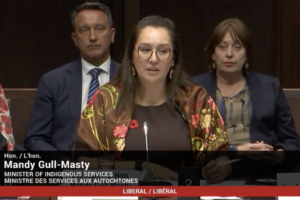

“Promising initiatives are emerging from First Nations and Inuit communities and Native Friendship Centres, underscoring the importance of recognizing and supporting their expertise,” said Quebec ombudsperson Marc-André Dowd.
“Closer collaboration, built on an equal-footing relationship, would allow these initiatives to expand and reduce the overrepresentation of First Nations and Inuit children in youth protection.”
Main recommendations include an increased focus on early interventions, including up to the implementation of post-majority support services for youth aging out of the foster care system, in order to improve long-term access to services.
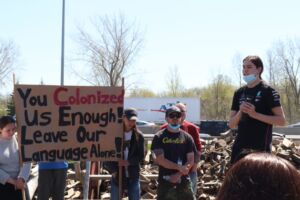
Also highlighted were testimonies about some youth’s access to care in their language - Ladouceur said that researchers found youth who spoke English were sometimes placed in French-speaking facilities because there was no room left in English-speaking ones.
Children were also often placed away from their home communities and families for multiple months due to the lack of services close to home.
Sign up for email updates from The Eastern Door
“They were deprived of access to education for some period due to language barriers, and that was concerning,” she said. “Everybody wants to get away from that.”
The report and summaries can be found on the Quebec ombudsperson website.