What happened to Tiffany Morrison?
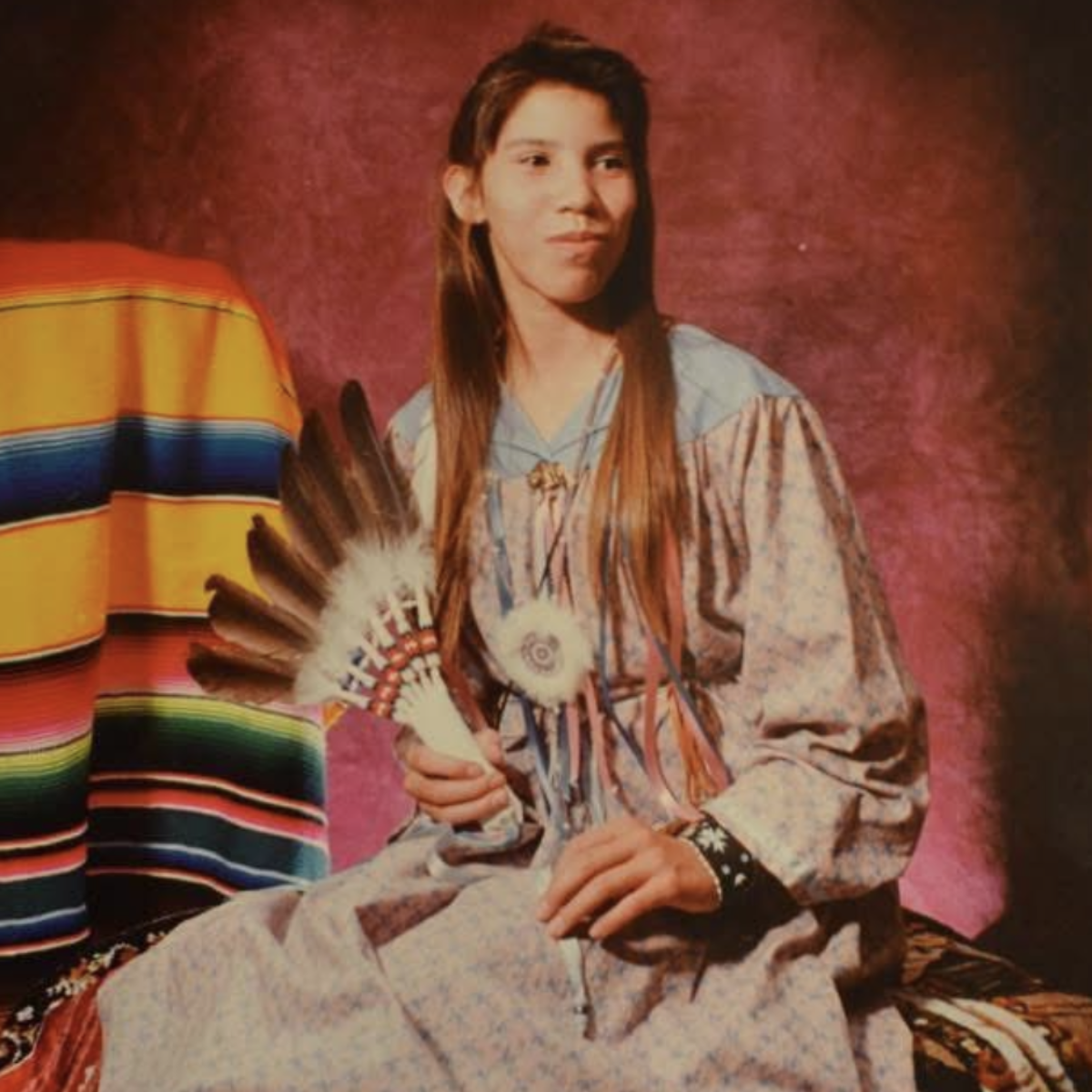
Melanie Morrison wishes more people had the chance to meet her little sister Tiffany.
“She was a ball of energy. She impacted everyone that she knew. She just had that energy, you knew she was there,” Morrison said. “When she was taken, there was a black hole that was left. When her life was taken, there was a spark taken from our family.”
Tiffany was 24 when she went missing on June 18, 2006, having last been seen getting into a taxi with a man after leaving a bar in LaSalle.
While her missing persons file was kept with the Peacekeepers, little progress was made in the investigation until four years later, when her remains were found in a wooded area near the Mercier Bridge, only a kilometre away from her home.
At that point, the case became a homicide investigation that was turned over to the Surete du Quebec (SQ).
But though the investigation remains open, no answers have come to light - little progress has been made to discover what happened to her, and who was responsible for her death.
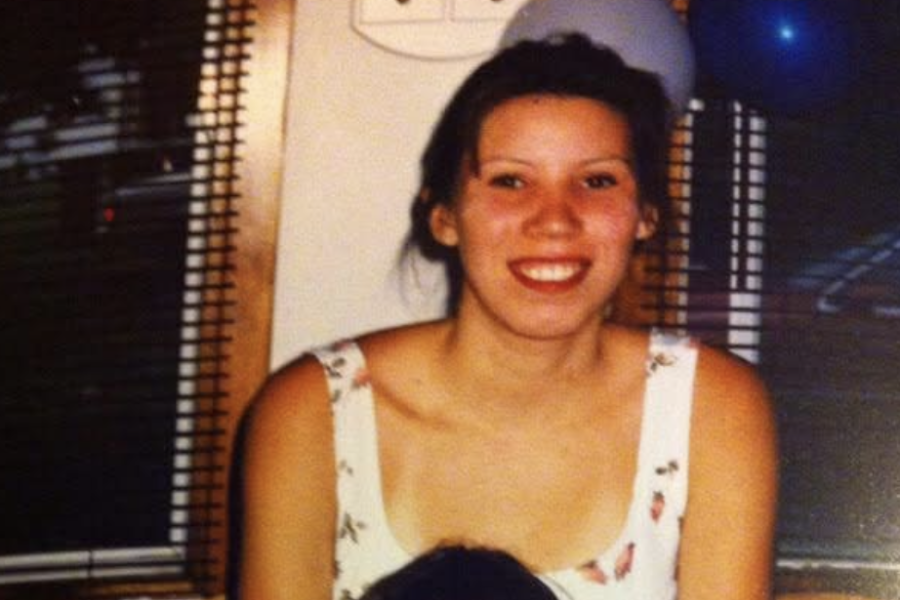
Living without those answers has tortured Melanie and her family every single day for the past two decades, she said.
“Every day I put on a brave face, but I’m walking around with a hole in my heart because of what happened,” Melanie said. “It impacts the way you look at things; it impacts how you engage with people; it impacts your view on the world as a whole. I’m hurting on a daily basis.”

Every day that Tiffany has been gone has been one marked by grief - but for Melanie, it’s also been one marked by anger.
“I’m so, so very angry,” she said. “I try to focus my energy on making big changes, to improve our well-being as Indigenous women, but I get frustrated the closer I get to every anniversary. I can’t wrap my head around why we haven’t made more progress.”
Melanie said that one of her hopes had always been to get answers before her parents passed away - when her father, Jack Morrison, passed away in 2015, her grief deepened.
“I wanted him to have closure. I want my parents to know everything was done for their daughter, and there was justice served,” she said. “Tiffany can’t rest until somebody’s brought to justice. She has a right to that.”
Melanie feels the weight of Tiffany’s restlessness. She said it’s a literal feeling, felt in waves, especially at the site of her memorial.
“I’ve always stated that I can feel my sister around me at certain times. I can feel her pain. I can feel her panic,” she said.
She said that the site makes her feel particularly aware of her sister’s spirit.
“A lot of people will say ‘You got her back,’ but we didn’t get her back. We got her bones back. That’s not her. But there’s a connection there,” Melanie said.
“If you go there and sit there, you can feel her. She’s mad, she’s upset, and she doesn’t understand why she can’t get closure.”





Each time Melanie feels her sister, she’s reminded of the need to keep pushing and fighting for answers.
“I would love to be able to do what people want me to do and just move on, but I can’t. My sister’s there reminding me that I have to keep making sure people know what happened to her and find her closure so she can rest,” Melanie said.
“Her spirit stuck because it was a violent situation. You can feel that. She’s not going to let it pass. She expects the fight to continue until there’s closure, until we capture the person that did that to her.”
In the two decades since Tiffany’s disappearance, Melanie has become a fierce advocate for Missing and Murdered Indigenous Women, Girls, and Two-Spirit People (MMIWG2S). She has met with political leaders, advocates, and other families who share stories similar to hers, advocating for better investigative mechanisms and better supports for families of missing Indigenous women.
“There’s no actual movement. The government likes to check boxes, but I don’t feel that it’s doing enough to directly impact MMIWG2S,” she said. “Things need to be put in place to change the reality for our women and girls. They’re not doing the work. There needs to be more effort, it’s unacceptable.”
As Melanie advocates for change at the provincial and national level, she also continues to push in the community. As Kahnawake marks 20 years since Tiffany’s disappearance, Melanie said she wants one phrase to continue to stick in peoples’ minds.
“Somebody knows something,” she said.
“There’s no way this happened in the community, and there’s nobody that knows what happened. It must be eating away at them to not come forward and help a family that’s been torn apart. There’s somebody out there that has the information.”
While Melanie continues to push for new information, she also wants to make clear that people should report information directly to the Kahnawake Peacekeepers or the SQ. Each time someone contacts her family directly, she said, old wounds are reopened and the family is retraumatized without having the power that the police do to follow up.
Sign up for email updates from The Eastern Door
“It’s really traumatizing to have our family hear these snippets and knowing that we can’t do anything with it, we need to make sure information goes through the right channels so that movement can happen,” she said.
She wants to speak directly to anyone who may know something about what happened that night to her sister.
“You have to be brave enough. You have to come forward if you know something. How can you live with that on your conscience?” she said. “There’s somebody out there who has the information. There’s somebody out there who knows the next piece to get us to that person, to hold someone accountable.”
Melanie is used to Tiffany’s anniversary date typically being hot and sunny, but yesterday was different, with heavy rain and severe thunderstorms making the clouds dark and heavy.
“This year, the sky is so angry,” Melanie said. “I say it’s Tiffany showing her frustration, still waiting for justice.”
Anyone with information about Tiffany should call the Kahnawake Peacekeepers at 450-632-6505 or the SQ’s Criminal Information Centre at 1-800 659-4264.