Study shows pattern of violence
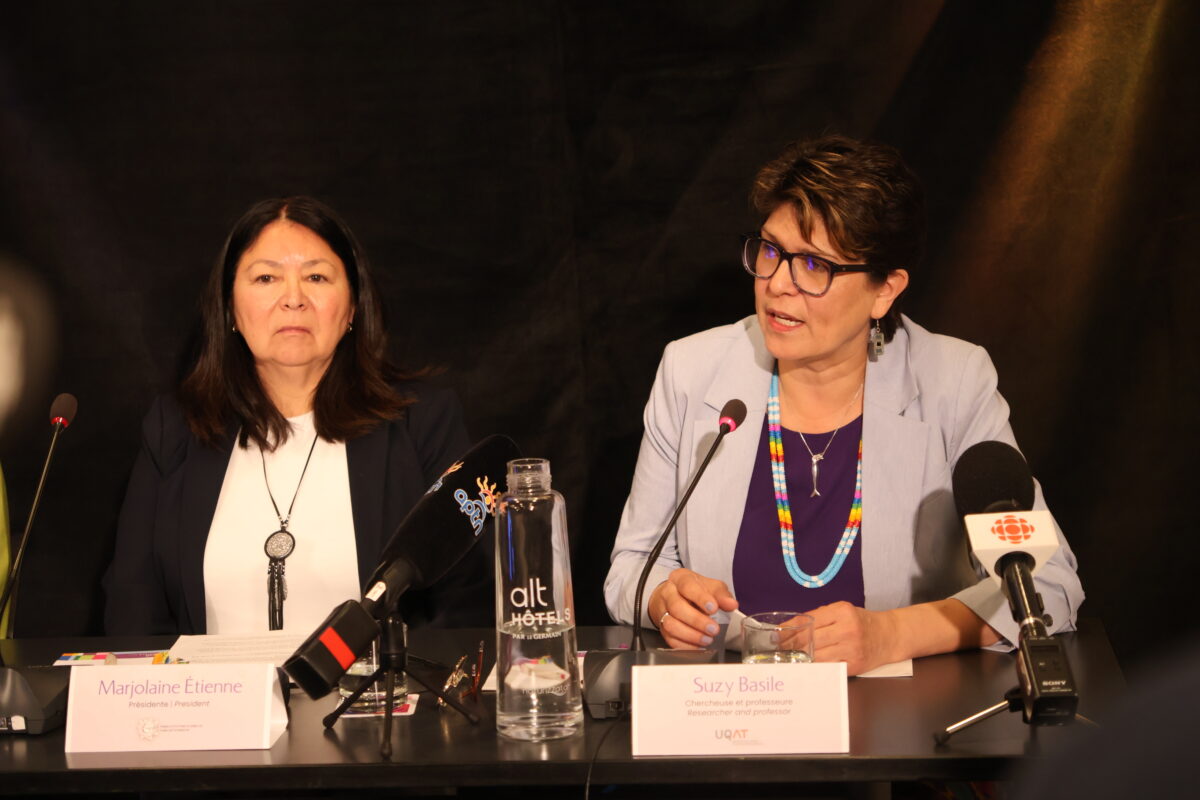
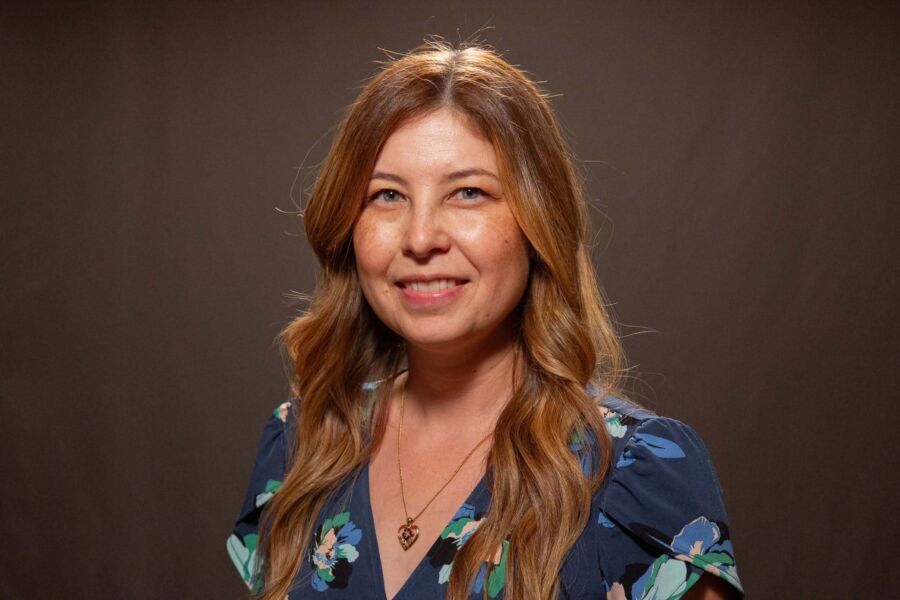
Suzy Basile (right) sits alongside Marjolaine Etienne, president of Quebec Native Women, at the launch of phase two of a study into obstetric violence towards Indigenous women in Quebec. Courtesy Suzy Basile
The second phase of a study into obstetric violence towards Indigenous women in Quebec has seen almost 100 more individuals share their testimonies with researchers, with stories from more than 130 women demonstrating a pattern of abuse across the province.
The first phase of the report, released in 2022, outlined the experiences of 35 women in Quebec, who had experienced or witnessed imposed sterilization and/or obstetric violence between 1980 and 2019.
Many of the accounts in the report detailed highly traumatic cases of women undergoing tubal ligation, often without their knowledge or informed consent. This process involves the cauterizing or clipping of the fallopian tubes, permanently preventing pregnancy.
The second phase saw an overwhelming increase in the number of respondents, with 97 more people coming forward to share their testimony as part of the study, published by the Universite du Quebec en Abitibi-Temiscamingue (UQAT), Canada Research Chairs, and the First Nations of Quebec and Labrador Health and Social Services Commission (FNQLHSSC).
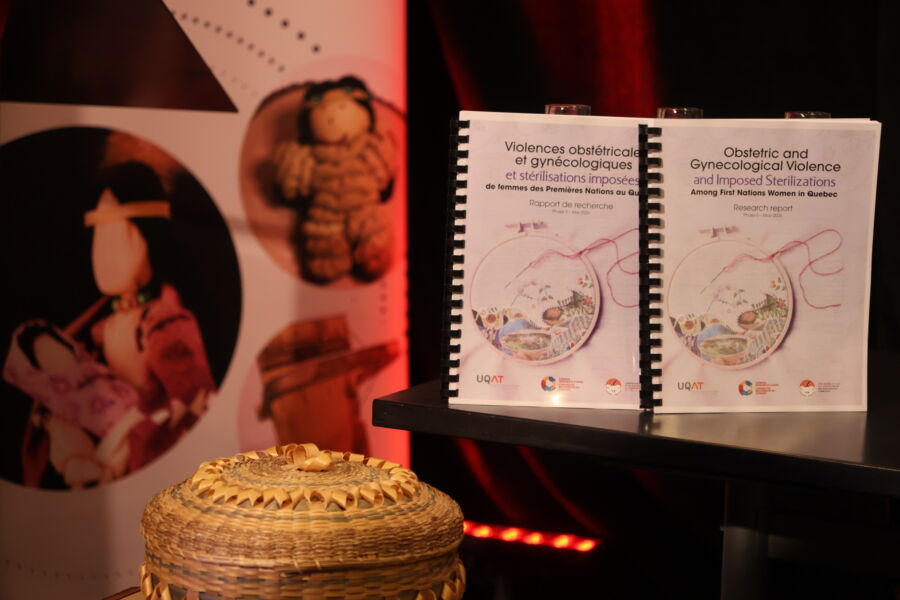
The study’s lead author, Suzy Basile said that the increased data collected has allowed researchers to identify more trends in the violence faced by First Nations women - one of the clearest instances of abuse was the pattern of women who underwent tubal ligations without their knowledge after a caesarean section, as well as women who were misled into believing that a tubal ligation was an easily reversible procedure.

“Most of these women found out about their tubal ligations months or years after, in many cases these women went back and they found out (their fallopian tubes) had been cut and burned,” said Basile, who is Atikamekw.
The second phase of the report covers cases that took place between 1956 and 2023, with 77 total forced sterilization cases taking place throughout that time period.
Basile said that the project has shed light on an ongoing crisis of obstetric violence, and she hopes that victims will see that they’re not alone in processing their trauma.
“Many of them told us that this was the first time they’d ever talked about it with someone, even their spouse doesn’t know and it’d been hidden for decades,” she said.
In a press release, Assembly of First Nations Quebec-Labrador regional chief Francis Verreault-Paul said the ongoing obstetric violence experienced by First Nations women leaves deep scars.
“It is part of a continuum of colonial violence, alongside residential schools, missing and murdered Indigenous women and girls, and children who went missing or died after being admitted to a health and social services institution,” he said.
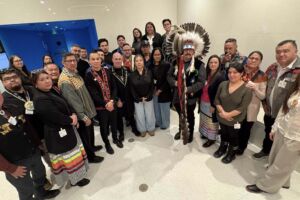



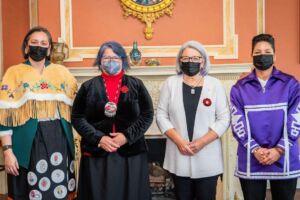
Derek Montour, president of the FNQLHSSC said the publishing of the report is a step forward in advocating for Indigenous women, and he applauded the “courage and resilience” of the women who shared their testimonies.
“By speaking out, they are paving the way for more dignified and safe healthcare and social services for themselves and for all future generations,” he said.
Basile said she has heard feedback from respondents that the report opened doors for them to talk about their trauma with their loved ones.
“The majority of them told us, ‘Thank you so much, finally I decided to talk about it with my daughter, with my granddaughters, with my family, so that it won’t happen again,’” she said. “We need to put all of our trauma on the table, we need medical staff to be more aware of Indigenous women’s issues in general and be sensitive to the past traumas that they’ve faced.”
The report includes two sections that specifically address the experience of Kahnawa’kehró:non - one section focuses on an article published in The Eastern Door outlining traumatic birth experiences of community members at Anna Laberge Hospital, and another focuses on the history of contraception in Kahnawake.
That second section cites a letter sent by community member Kahentinetha Horn to the Department of Indian Affairs in 1966 after she had been informed that a doctor serving the community had been given instructions “to issue birth control pills, contraceptives, and other means of birth control to Indians that he takes care of, but not to the Roman Catholic French Canadians who are in his practice,” despite the fact that birth control was not legalized in Canada until 1969.
Sign up for email updates from The Eastern Door
The reply to Horn’s letter was directed to then Mohawk Council of Kahnawake (MCK) chief Andrew Delisle, and it rejected all allegations and denied responsibility on the subject.
Basile hopes that by charting instances like these, her team can fully bring to justice the experiences of Indigenous women who have experienced obstetric and gynecological violence in all its forms, with the dual intention of encouraging other women to come forward and to prevent history repeating itself.
“We want care to be appropriate, and women to have the rights to be well-treated, especially when you give birth. It’s a sensitive moment, and nobody should experience violence during that beautiful time,” Basile said.
The full report can be found on the FNQLHSSC website.