Jordan’s Principle backlog is ugly
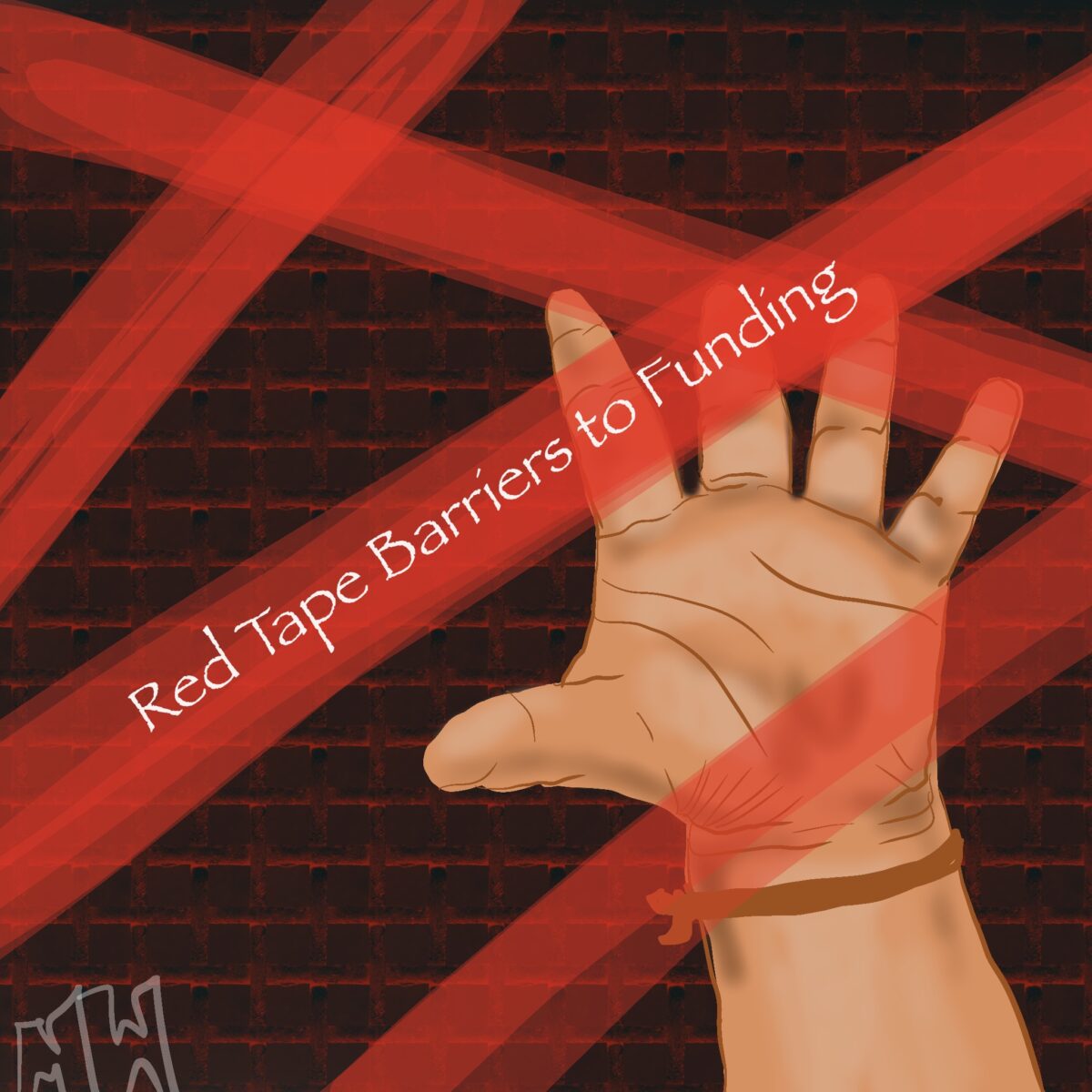
Canada was underfunding our on-reserve children for far too long, and now we are dealing with a secondary, potentially larger issue with a backlog of money that needs to be paid.
Cindy Blackstock, the executive director of the First Nations Child and Family Caring Society, has been instrumental in this fight, ensuring more money comes to our communities so our kids can get proper medical care afforded to the rest of the country.
But of course, we deserve more, since we’ve been forced to live on reserves to retain our inherent rights, tiny plots of land with much less hope than the communities around us; our children start life’s road much further behind the line.
Besides, this is our homeland. Why do we have to beg, borrow, and steal to get that minimal amount of respect we deserve?
While this issue makes its way through a human rights tribunal, the courts, and in the sphere of public opinion and scrutiny, Canada continues to lowball, delay, and obfuscate.
Under-funding our children’s many needs simply because they are in a reserve system that is largely ignored, is, it goes without saying but we will say it, wrong. But it goes further than that. They treat us poorly as adults as well, with every single part of the demographic line of care, ranging from health, education, land access, clean water, and a brighter future heavily tramped down on at every turn.

It can be broken down to the casino metaphor, and you may win here and there, but ultimately, the house always wins. If Canada says yes to a potential deal on land, resource extraction or anything else pertaining to the Indian Act, they’re still in control of that amount, unless mandated to give more by a sometimes liberal court, that is also within that same system of control.
Ultimately, we lose out.
Just us, right? Not justice.
Could they give more, like, we don’t know, maybe just maybe our equal share on all of it?
Without people like Blackstock, they certainly won’t, and with local leaders who spend too much time bickering with each other or hiding their own agendas from our communities, don’t expect our chiefs to push the envelope for real change anytime soon. They are too busy with micro issues to deal with macro ones, and they’re often in it for themselves and their families, not every So:se, Sak, and Sawatis.
Getting back to that massive backlog, what does it represent?


It’s a continuation of the under-funding on-reserve, and just as maddening because a proper system is now in place to save lives and cover hefty costs, but it has stalled on a massive scale due to Canada’s ineptitude.
It isn’t a stretch to say children have died and will continue to if this issue isn’t fixed accordingly – and fast.
That’s how Jordan’s Principle came about. Jordan River Anderson died in a Manitoba hospital – where he spent all of his five short years on this Earth – because the province and Ottawa fought over who would cover his at-home care.
Little Jordan suffered from multiple disabilities, including Carey-Fineman Ziter Syndrome, which meant he couldn’t walk or talk.
But his voice changed the way this country treated children on-reserve and ignited a major fight that had to be taken on for the sake of other kids like him. His story, and many like it, changed the trajectory of health care treatment and costs in Canada, but that was many years ago.
He died in 2005, and this issue still hasn’t been resolved to the satisfaction of caregivers, parents and grandparents, and Indigenous children as a whole.
Sign up for email updates from The Eastern Door
If a boy who had such limitations could help to spark such a monumental movement and decision – Canada has been found liable, and agreed, to pay billions to bring on-reserve care up to speed – imagine what we could all do to help.
Every child matters.
Steve Bonspiel
The Eastern Door