Investments considered for Hertel Line

From left to right: Quebec Indigenous affairs minister Ian Lafreniere, former MCK grand chief Kahsennenhawe Sky-Deer and former Hydro Quebec CEO Michael Sabia at the signing of the Hertel Transmission Line agreement in April of last year. File Photo
The Mohawk Council of Kahnawake (MCK) is preparing to ask the community their opinions on how much should be invested into the Hertel-New York Interconnection Transmission Line, ahead of the project being commissioned in early 2026.
“We haven’t made a decision yet, but we’re in the process of analysing it, then looking at the financials and the pros and cons of that decision,” said MCK chief Paul Rice, who is the lead portfolio chief for economic development.
An agreement was finalized in April of last year between MCK and Hydro Quebec, marking the beginning of a partnership that established shared ownership of the transmission line.
The 58-KM Hertel Line will supply 1,250 megawatts of renewable energy to New York City, enough to power a million homes, and will run underground from La Prairie to the Richelieu River into New York State.
MCK will own 10 percent of the project and will have the option to increase Kahnawake’s share in the coming years - it will be expected to generate revenues for the next 40 years.

“There’s a lot going on in the market right now in terms of First Nations proactively investing in real estate and infrastructure on and off the territory,” Rice said. “What we want to do with these renewable energy projects is maximize our financial returns by accessing as many potential loan guarantees and subsidies as possible.”
While MCK is currently investing 10 percent in the project, they can invest up to 49 percent. Any investment comes with a certain degree of economic risk, but could also yield increasing benefits for the community should the project be successful.
“It’s a very low-risk investment, in terms of the fact that demand for power from New York is going to be significant,” Rice said.
Should more be invested, Rice said that MCK can secure funding from lenders and subsidies, meaning that they likely wouldn’t have to put additional community funds into the project.
“The project is very attractive to lenders and financers,” Rice said. “Given the low risk and good return of the project, we’d go and do market sounding and find the lowest possible borrowing rate on the project.”

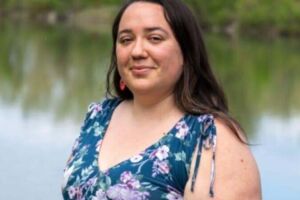
At a Council meeting at the end of last month, a two-tiered limited partnership was created to hold MCK’s equity participation in the project - by creating such a corporate structure, MCK will be eligible for more subsidies and loan guarantees, as well as lower financing rates and lower insurance costs.
“It really improves the financial performance of the project, and it’s an exercise in making sure that we maximize the potential of the project,” he said.
Rice shared updates about the Hertel Line at last week’s community meeting and said that there will be kiosks in the upcoming weeks to engage community members further on the potential investments that Council may make in the project.
“We want to present the information in a clear, concise way and answer questions they might have, and hear their feedback on the structure of the deal,” Rice said. “The options are of investing from ten to 49 percent, and there’ll be decent returns from that low-risk investment. That’s the main thing we want to clearly outline.”
Information about dates for kiosks and engagement sessions will be made available in the coming weeks on MCK’s communication channels.
Sign up for email updates from The Eastern Door