Chiefs frustrated with Bill 1
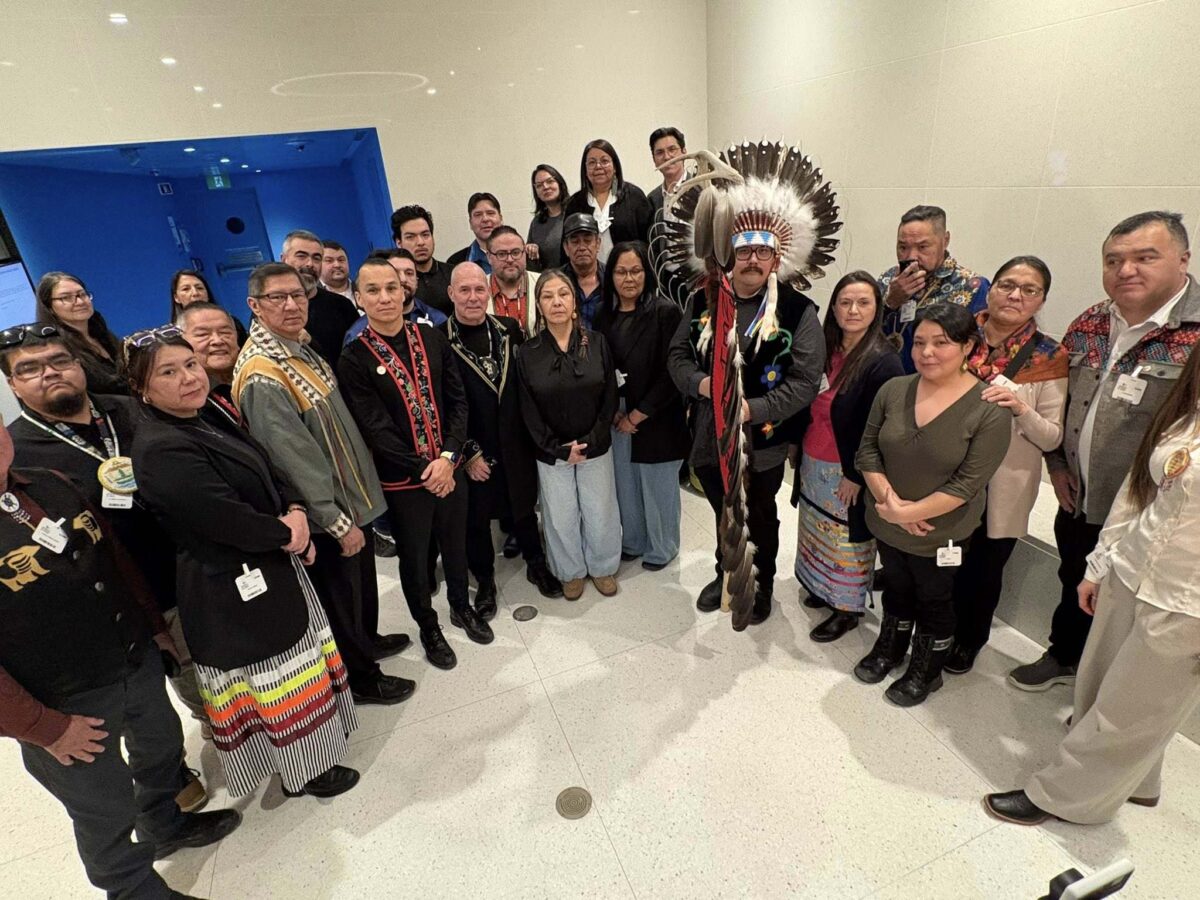
File photo. Courtesy Assembly of First Nations Quebec-Labrador
Discussing Quebec’s proposed constitution, also known as Bill 1, was top of mind at the Assembly of First Nations Quebec-Labrador (AFNQL) chiefs’ assembly last week, held in Montreal over four days.
“We’ve made our position clear from Kahnawake’s end that we need to be completely exempted from this. Quebec is able to do whatever they want for their own citizens, but they’re not legislating over us,” said Mohawk Council of Kahnawake (MCK) grand chief Cody Diabo. “That’s something we talked about, and that’s something we’ve conveyed in many other meetings as well.”
Quebec’s proposed Bill 1 has been the subject of controversy since it was formally introduced in late 2025. The bill outlines a number of values and institutional changes for the province, establishing that certain Quebec laws take precedence over individual rights. First Nations across Quebec have criticized the Bill since it was first introduced, and public organizations have also spoken out against it, with Amnesty International stating it considers the bill to be “regressive and anti-rights.”
In a press release this week, the AFNQL called for the immediate withdrawal of Bill 1, stating that it was developed “without prior, meaningful consultation in accordance with Quebec’s constitutional and international obligations towards First Nations.”

“Adopting this Bill, in its current or amended form, would amount to constitutionalizing the political and legal erasure of First Nations, a move that directly perpetuates the doctrine of discovery and is incompatible with any genuine form of reconciliation,” said AFNQL regional chief Francis Verreault-Paul.
Diabo said he’s increasingly concerned about the impact the bill could have on First Nations’ ability to assert their rights over their jurisdictions.
“They just need to put an exemption in there and say that this doesn’t affect First Nations at all,” Diabo said. “My concern is the overreaching issues similar to what we still see with Bill 96. We need to keep an eye on this.”
The AFNQL also categorized the lack of consultation in drafting the bill as flawed, pointing to more than 800 Quebec civil society organizations that have also called for an outright withdrawal of the legislation after a “unilateral and rushed approach that fails to meet the democratic standards required for the development of a legitimate constitution.”


Beyond discussions of Bill 1, Diabo said he and MCK chiefs Arnold Boyer, Ross Montour, and Jeffrey Diabo participated in discussions about the Assembly’s position on the long-term reform of the Child and Family Services Program, continuing to advocate for pressure to be put on the federal government for commitments to First Nations.
They also briefly met with leadership from the Parti Quebecois along with Liberal and Conservative leaders, as well as Quebec’s premier Christine Fréchette - though discussions were had as an Assembly, rather than on an individual basis.
“It can be hard because you’re there for an hour, there’s 43 communities, and everyone wants to get their say,” Diabo said, adding that MCK continues to prioritize meeting individually with party leadership outside of Assembly meetings.
“I’m in discussions right now to meet the new premier,” he said. “I’ve spoken with people in their party numerous times, we’ve had meetings in other senses, but it’s better to work to get these direct meetings off to the side.”
Sign up for email updates from The Eastern Door