Celebrating our nurses
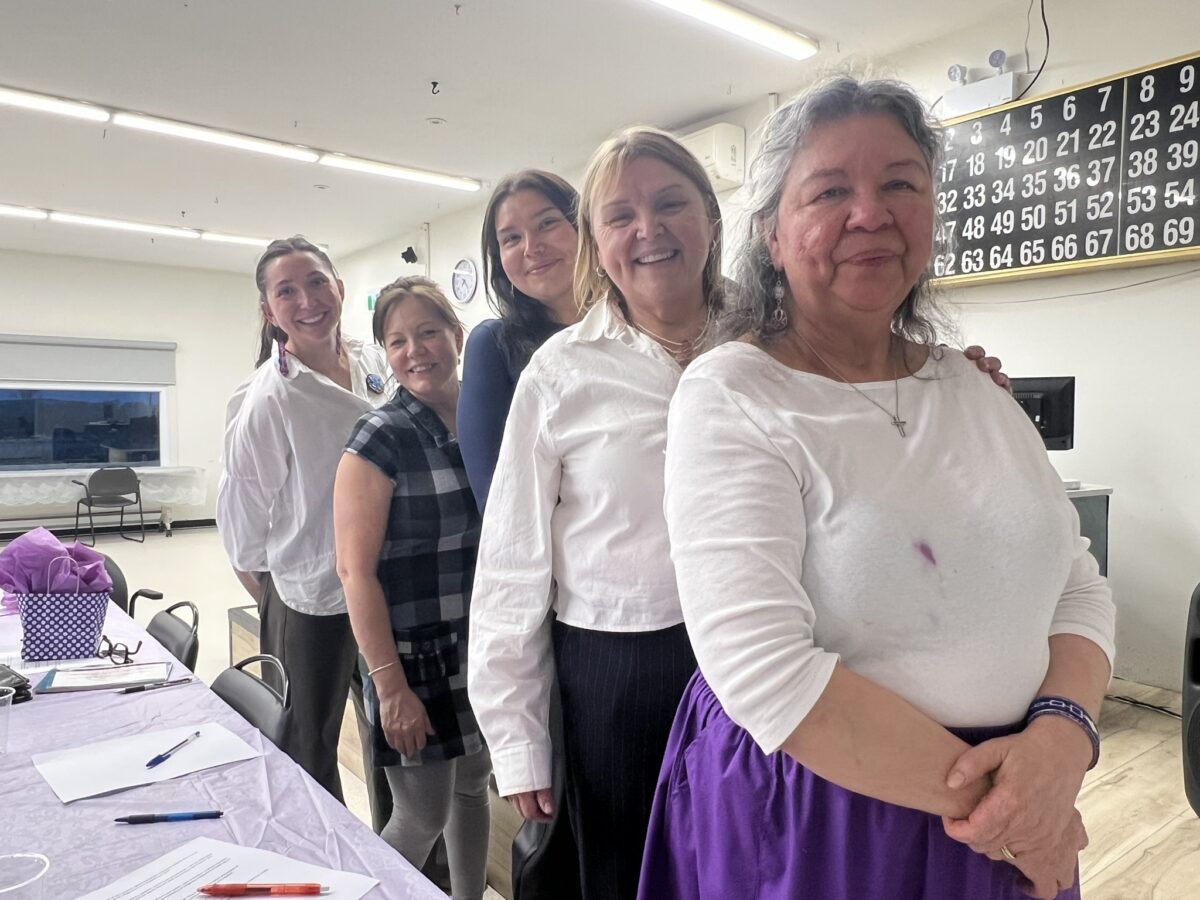
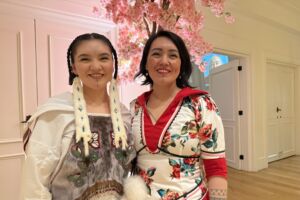
Nurses headed to the Golden Age Club ito celebrate Indigenous Nurses Day last Thursday. From left to right: Josée Lavallée, Kim Martin, Rebecca Boyer, Valerie Diabo, Wendy Skye. Courtesy Josée Lavallée
Last week’s Indigenous Nurses Day celebration in Kahnawake was truly generational – from 96-year-old Helen Skye, who became a nurse in 1951, to 29-year-old Rebecca Boyer, who graduated from her nurse practitioner program last summer, it was a day to recognize the efforts of Kahnawake’s nurses past and present.
“We really wanted to inspire others and put the message out about us having culturally safe practices for Indigenous people,” said Wendy Skye, one of the organizers of the event, held in association with McGill University’s Ingram School of Nursing for the third year.
The event was hosted at the Golden Age Club on April 10, officially recognized as Indigenous Nurses Day, honouring birthdate of Edith Monture, a nurse from Six Nations who was the first Indigenous woman to become a registered nurse in 1914. This marked the first year that the event was officially recognized by the Order of Nurses of Quebec.
Josée Lavallée, who is Red River Métis from Treaty 1, was in Kahnawake to celebrate the day on behalf of McGill, where she serves as a faculty lecturer in Indigenous Health and director of the Office of Social Accountability in Nursing.

She was particularly delighted that nurses from all generations came out for the event.
“Sometimes it’s hard to see the generations before you, and this event was really an opportunity for people to see themselves and learn from each other, just to create a space where there’s solidarity for shared experiences and realities,” Lavallée said.
“People might not imagine themselves in these roles, but it’s important to showcase that you can be here, and you should be here.”
She said it’s particularly impactful to take the time to recognize the contributions of Indigenous women to the field of nursing in the context of medical racism faced by Indigenous communities.

“Education and nursing institutions have been very extractive of Indigenous knowledge and people,” Lavallée said. “For me, as an Indigenous nurse, I think it’s my responsibility and it’s everyone’s responsibility to play a part in helping Indigenous people reclaim that self-determination within healthcare.”
Boyer spoke on a panel, sharing her experience becoming a nurse practitioner.
“It is always inspiring attending this event. I reminds me to remember to be proud of where I am from and how far I have come in my career,” she said.
For Wendy, who graduated as part of John Abbott College’s first nursing graduate class in 1974, bringing together nurses across generations is imperative to keeping the field alive. She remembers how inspired she was when she attended the Registered Nurses, Indian and Inuit Association of Canada (now the Canadian Indigenous Nurses Association) shortly after her own graduation.
Sign up for email updates from The Eastern Door
“We started doing introductions and lots of them had degrees, some were in their master’s, and I just felt immensely proud,” said Wendy, who ultimately pursued a bachelor’s degree with a specialization in community nursing from Concordia University herself. “These were all my own people. You could clearly see there were people from across the country, doing so many things, and I said to myself, ‘Well, I’m going to do it too.’”
Kateri Memorial Hospital Centre (KMHC) director of nursing and community care Robin Guyer said the event was an excellent way to celebrate how far nursing has come in Kahnawake.
“Nursing is such a rewarding career, and it really warms your heart to be able to practice, but to be able to practice with your own people and the people you grew up with really adds an extra element.” she said. “That’s always really important and meaningful, so it’s great to see generations of nurses in the community who have done that and who are going to do that in the future.”