Deer wins Indspire award
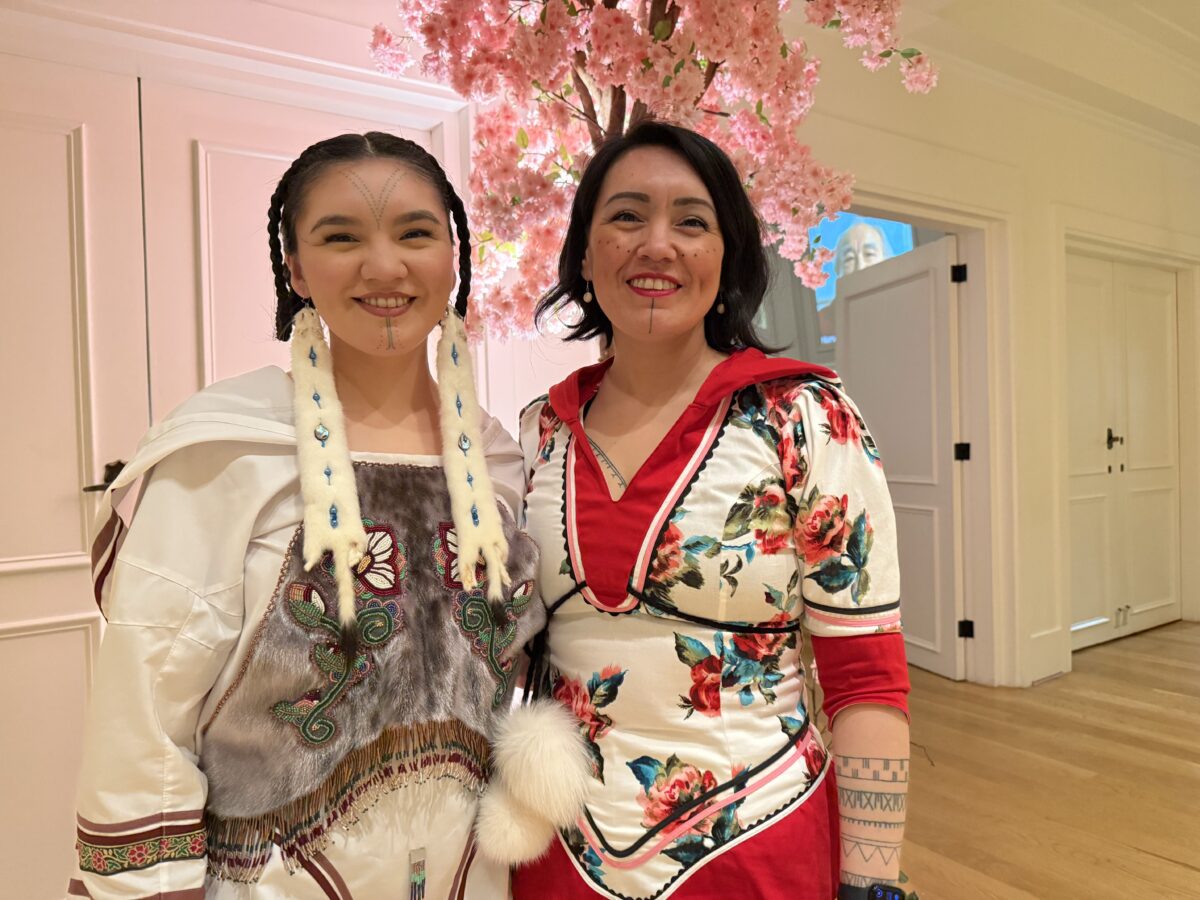
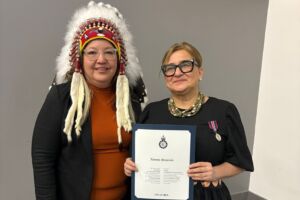
Arsaniq Deer (left) and Beatrice Deer (right) at the Indspire award ceremony in Vancouver. Courtesy Beatrice Deer
For Arsaniq Deer, tattooing is so much more than a way to adorn the skin.
“It’s a huge part of my life. I feel like it healed a big part of my life, and my identity, after struggling for years with not knowing who I am, or why I’m here on this earth,” said Deer, who is from Quaqtaq, a remote village in Nunavik.
Now, Deer’s commitment to her heritage is being honoured with a prestigious Indspire award, given annually to Indigenous youth who have made an exceptional impact on their communities and culture.
“I didn’t start tattooing with the intention of being recognized or winning awards, I started it out of passion and love for my culture, so to be recognized is such a great honour,” she said.
To be in the running for the award, individuals must be nominated – Deer was nominated by her mother, Beatrice Deer. Beatrice, who is a celebrated singer, is half-Inuk and half-Mohawk from Kahnawake.

It’s fitting that she was the one to nominate Arsaniq, because Arsaniq’s tattoo journey starts with her mom – she gave her very first tattoo to her mother back in 2019, a line on her thigh.
To now see Arsaniq win a major award for her work is a full-circle moment, said Beatrice.
“It’s amazing. I’m very happy for her, and I’m happy for Inuit culture, because this doesn’t just highlight her as an artist, it highlights the importance of reclaiming our culture and identity,” Beatrice said. “It’s great for all of us.”
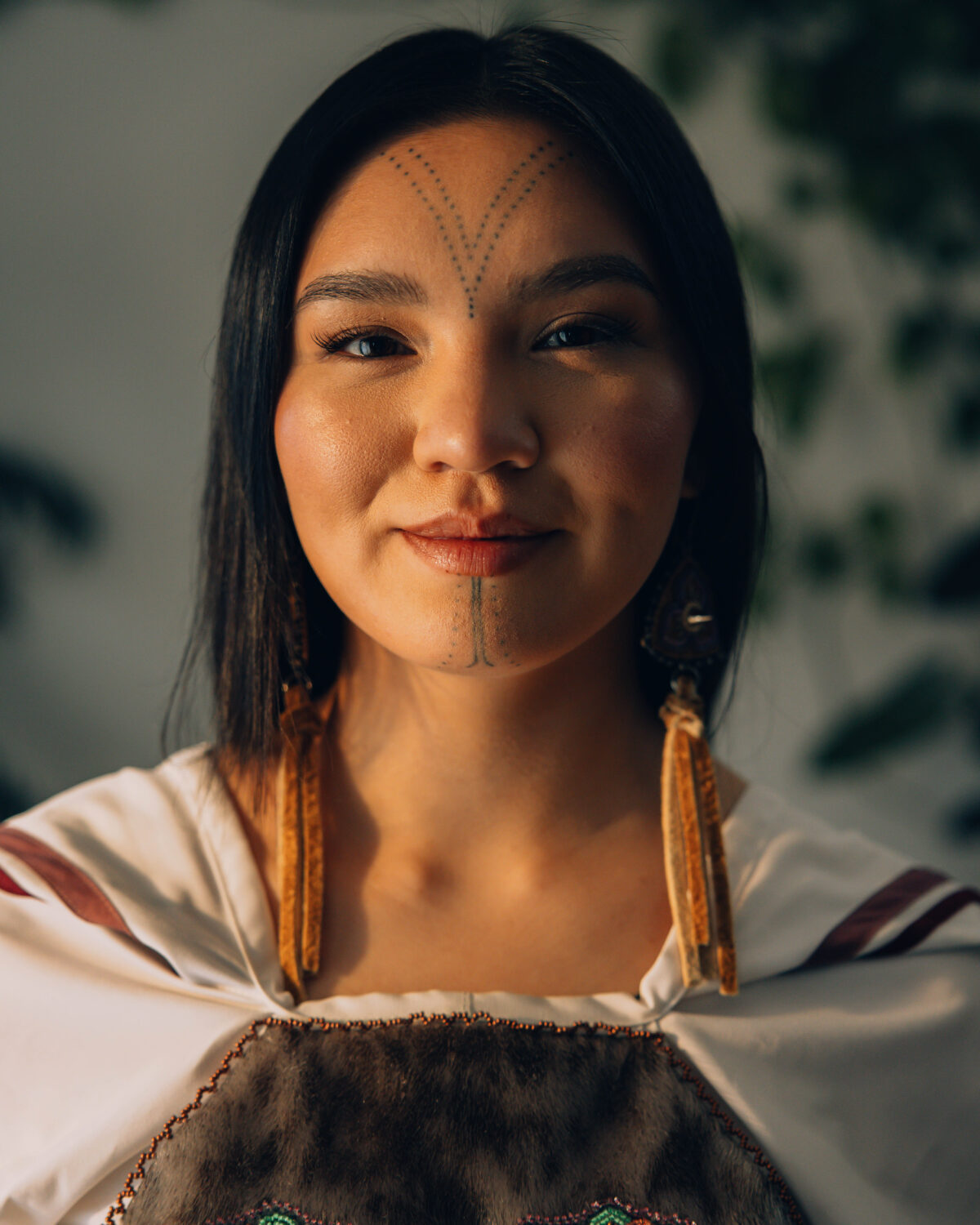
Arsaniq Deer says that tattooing is a major part of her identity. Courtesy Arsaniq Deer
Arsaniq’s relationship with tattooing was kick-started at Nunavik Sivunitsavut, a post-secondary program for Inuit in Montreal. There, she met Hovak Johnston, a renowned Inuk tattoo artist who founded the Inuit Tattoo Revitalization Project, and it was there that she gave her mother that first tattoo.
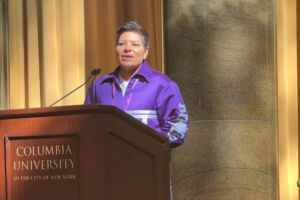

Soon, she was tattooing faces and was an active member of the traditional tattoo scene, occasionally doing tattoos for other non-Inuit Onkwehón:we if they don’t have anyone in their own community to give them markings.
“It feels unreal, every single time,” Arsaniq said.
Arsaniq received her award at a ceremony in Vancouver earlier this month. She said it was particularly special to have her mother there in the crowd, watching her receive the honour.
“I grew up with my mom and it wasn’t an easy life, she had to work so hard to get to where she is, and bring our family to where we are now,” Arsaniq said. “I feel like we’re seeing the fruits of her labour now.”
When Arsaniq was younger, she never considered tattooing would one day play such a huge role in her life – she hopes that winning this award will mean other young Inuit realize how meaningful their traditional activities can be.
Sign up for email updates from The Eastern Door
“I hope my work can speak for itself,” Arsaniq said. “I hope others can see it and feel inspired to walk the same path.”