Kanehsatà:ke Tourism highlighted in big way
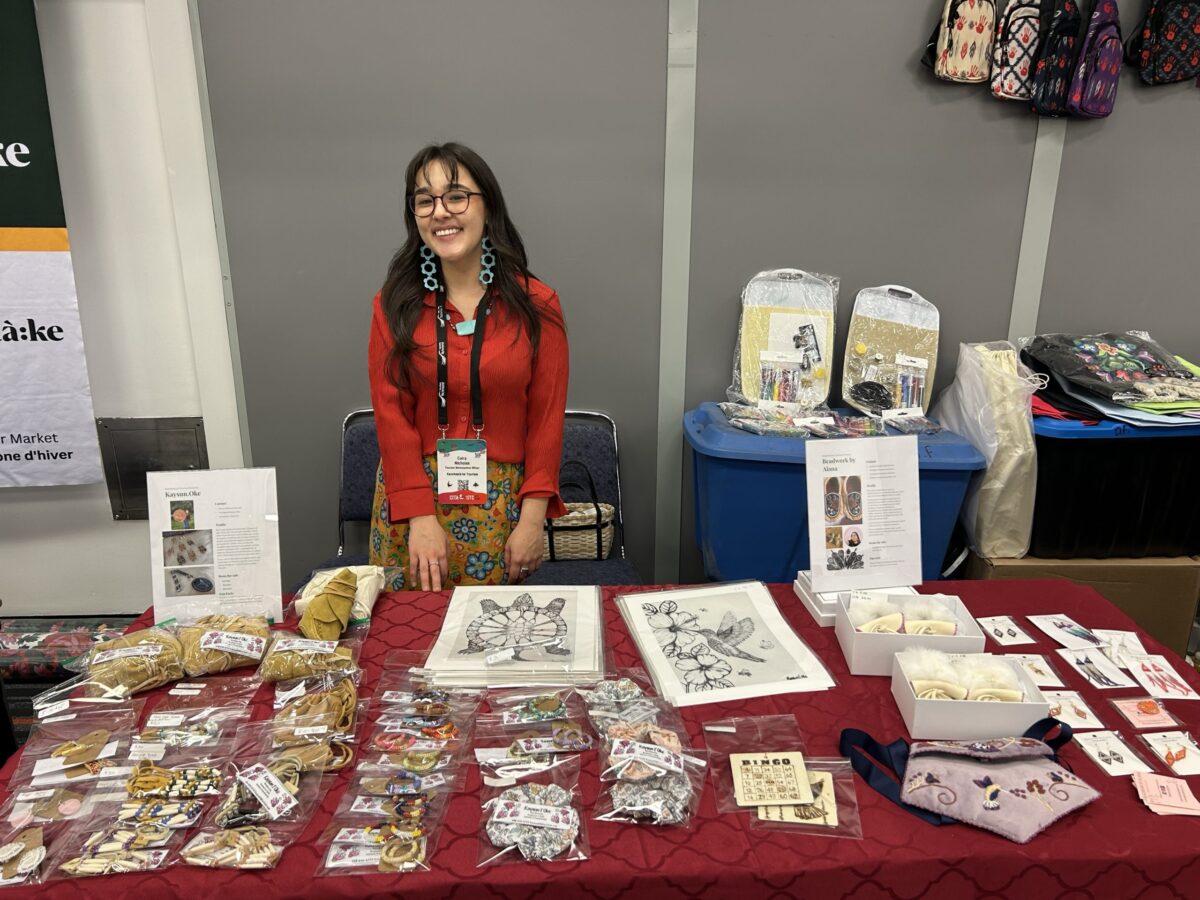
Caira Nicholas, tourism development officer for Kanehsatà:ke Tourism, was running a booth selling crafts and art from local producers at the 2025 International Indigenous Tourism Conference. Courtesy Marcus Bankuti
Kanehsatake was featured this week as the country’s tourism industry met in Tiohtià:ke at Canada’s largest Indigenous tourism conference, with Kanehsatà:ke Tourism credited for its success building a brand from scratch over the past few years.
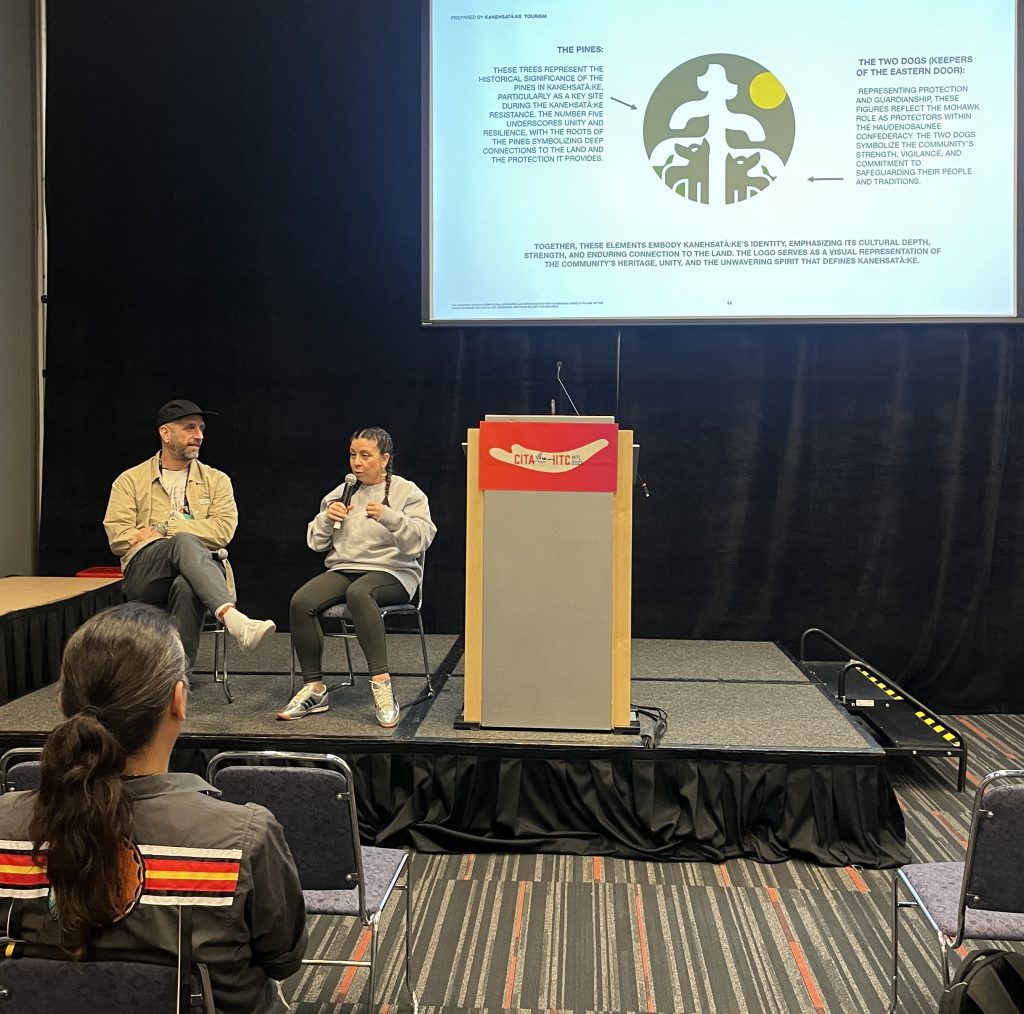
“Sometimes we feel small because we don’t have a big infrastructure, but I never felt that way,” said tourism manager Véronique Vincent, to a room full of tourism professionals. “I maybe don’t have a big hotel. I maybe don’t have millions of dollars. But my people are so rich in culture - they’re beautiful.”
Courtesy Marcus Bankuti
It’s these people and their story that are Kanehsatake’s biggest asset and what Vincent wanted to promote when it came time to envision Kanehsatake’s tourism brand.
After all, the goal of Kanehsatake’s tourism industry is not just a financial one, as the speakers pointed out. Rather, it’s an opportunity to show the public the real Kanehsatake, to educate visitors and correct misconceptions about the community and its history.

“When you talk about tourism, it means opening your doors. When you’ve been hurting for generations and generations and generations, and you say we’re going to open doors and it’s going to be good for the community, for us so far it hasn’t necessarily been good, so you have to be patient, you have to take your time, you have to listen to what they have to say,” said Vincent.
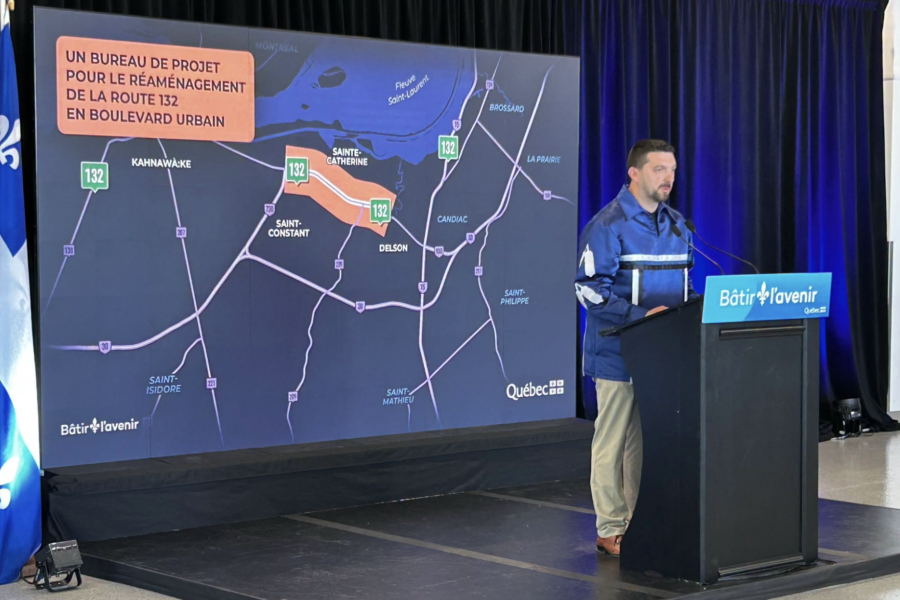
The workshop about the building of the Kanehsatà:ke Tourism brand, part of the 2025 International Indigenous Tourism Conference, took place at the Montreal Convention Centre on Wednesday afternoon. Vincent was interviewed by Justin Kingsley of Makumaku, a marketing expert who has been consulting with Kanehsatà:ke Tourism since Vincent approached him at a conference two years ago.
“The education component’s big because you’re converting your consumer into being your ambassador, into being your spokesperson,” said Kingsley as part of the event.
Facets of Kanehsatake and its history, such as the Pines, the Two-Dog Wampum Belt, as well as attractions like the annual powwow and the Indigenous Winter Market, a creation of the tourism department, were cited as key components of the community’s tourism offering.
Kingsley also spoke about harnessing Montreal’s power as a global destination to attract open-minded visitors to the community and to generate a “fear of missing out.”
The overall message of community engagement in tourism resonated with the audience.
“I’m working in a team, and us working with our community to figure out what they actually want seems really essential to providing people something they need,” said Mitchel Burch, cultural coordinator of Thrive Tours in Baawaating.
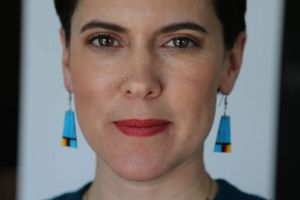
“That sounds pretty ‘no duh,’ but sometimes that’s not stuff you think about until you’re sitting in a session, and you’re like, oh man, people who have done that made engaging things, and you get to witness it.”
Caira Nicholas, tourism development officer for Kanehsatà:ke Tourism, had a booth at the conference showing off the wares of eight different Kanehsatake artists and artisans.
“The collective here is kind of our way of allowing our community to be here without necessarily being here,” said Nicholas, adding that supporting local artisans is one of the tourism department’s core values.
“Without the artisan, you don’t have a market. You don’t have a powwow without them,” Nicholas said.
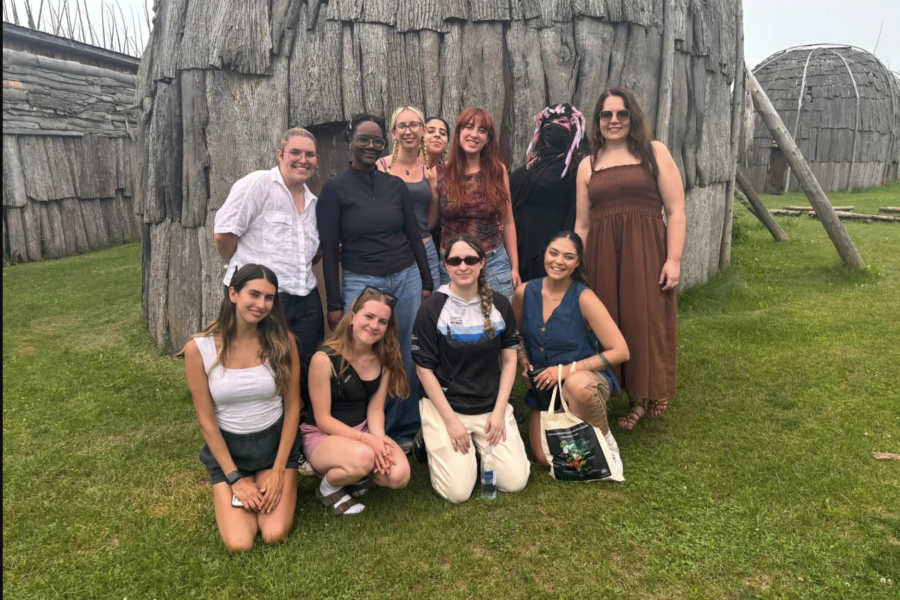
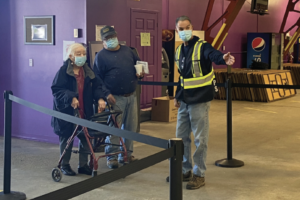
Kanehsatake also participated in a community tour, led by Wanda Gabriel, as part of the conference, bringing in around 25 people on Tuesday to learn more about the community.
“I always like to bring awareness to outsiders about who we are and our complex realities,” Gabriel said.
She said bringing a balanced perspective is an important aspect of what Kanehsatà:ke Tourism offers to the community, showing off the bright spots that are underrepresented when Kanehsatake attracts media attention, for instance, something she also hopes to do whenever she has occasion to give a tour.
Sign up for email updates from The Eastern Door
“I think my hope is to break down bias and stereotypes by speaking of our reality,” said Gabriel, who brought the group to the Tsi Ronterihwanónhnha ne Kanien’kéha Language and Cultural Center, the lacrosse box, and the Mohawk Gas Bar, where owner Maria Canatonquin provided lunch prepared by her daughter Ruby Powless.
“It went beautifully, very touching, I would say,” said Charlotte Laurin, business development and strategic alliances team leader with Tourism Montreal, who attended the tour.
“I think the part about learning about the culture is very important. We learned there about the Pines,” she said. “This is the first time I heard about the whole story of the Pines and the significance behind it, and learning about what happened in the 1990s, from the other perspective.”
That kind of takeaway is what Kanehsatà:ke Tourism is hoping for.
“I want them to say, ‘oh I’m so touched,’ or ‘I feel moved,’” said Vincent. “That’s what I want more than for them to just come and see Kanehsatake. I want people to be aware and connect. Going back home with learning I think is so much more than going back home with a gift.”
Marcus Bankuti, Local Journalism Initiative Reporter