Budding scientists show off their work
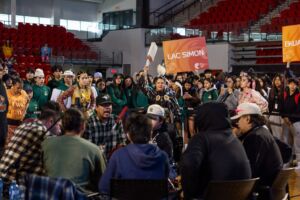
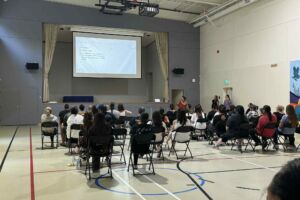
Kahnawake Survival School (KSS)’s gymnasium was host to something a little different than an Akweks’ home game on the evening of February 5, as the Kahnawake Education Center (KEC) had its combined schools science fair there.
One hundred eighty-one students from Kateri School, Karonhianónhnha Tsi Ionterihwaienstáhkhwa, and KSS displayed their projects for their classmates, teachers, and families to see. Six winners - two per school - were chosen among them to represent their school and bring their winning projects to the Quebec Indigenous Science Fair from March 18-20 in the communities of Whapmagoostui and Kuujjuarapik in Nunavik.
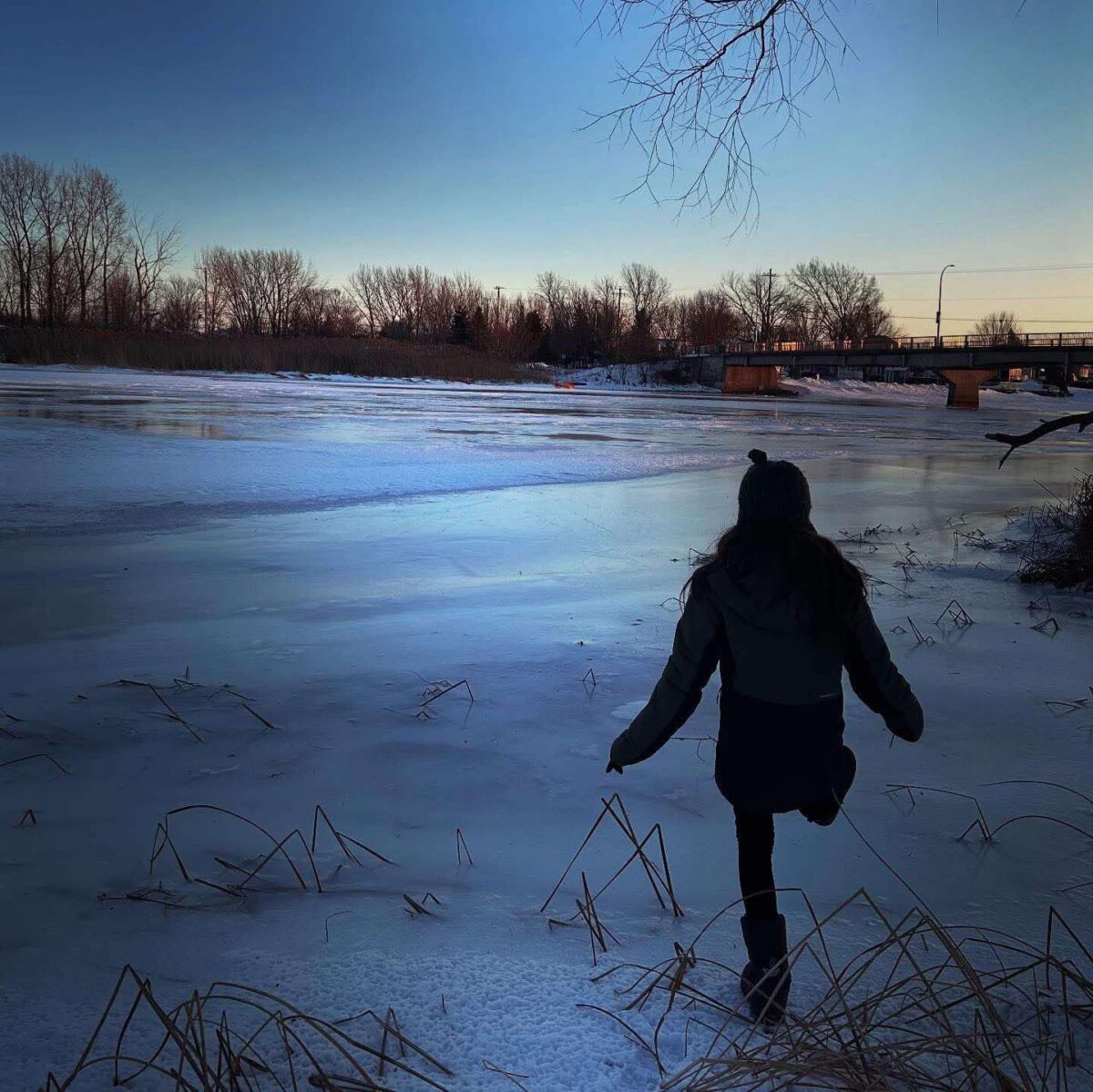
One of the winners was Kahnawiiostha Whyte-Turner, in grade six at Karonhianónhnha Tsi Ionterihwaienstáhkhwa.
Her project was a water cleanliness and filtration project, which looked to compare water from rivers in Kahnawake, Chateauguay, and Lachine, and then built her own filter to try to filter it more.
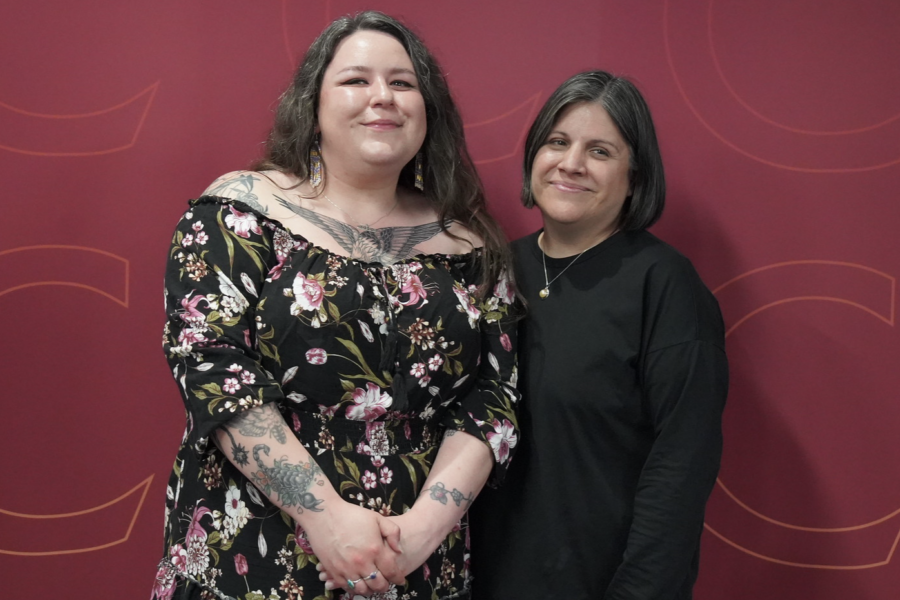
“When she first asked to test the water, I was excited for her. Water has always been a huge part of who she is, both in what she loves but also symbolically,” said Megan Kanerahtenha:wi Whyte, Kahnawiiostha’s mother. Kahnawiiostha means “she makes the rapids beautiful” in Kanien’kéha.


“I think I’ll forever remember her jumping up and down when the pH level changed for each river water sample after she ran it through her filter. She made the connection that human beings have the power to pollute the water or clean it. She ended her project with the phrase ‘climate change is in our hands,’” said Megan.
Kahnawiiostha said her filtration system, while using a lot of items that are easy to find around her, mirrors how filtration naturally occurs.
“The filter was made of a plastic bottle and a jar, and the contents were rocks, charcoal and cotton to represent the natural filtration system,” said Kahnawiiostha. “I was testing pH levels, and I learned that safe drinking water is between 6.5-8.5 pH. The water runs through the filter and all the elements and it helps drain out the impurities of the water. Each river sample became cleaner,” said Kahnawiiostha.
“It is our job as Onkwehón:we to project the earth, the water and its gifts.”
Kahnawiiostha said she did not expect to win, thinking she would finish at best third, and is very excited to go up north in March.
“I am very excited and nervous. I’d like to travel to this new place and meet other kids, and I am hoping I’ll get to see the Northern Lights,” said Kahnawiiostha.

“I’m so proud of her, not just because she put in so much effort into this project and didn’t give up, but because she really wanted to make a difference and understand something she cares a lot about. That’s inner fire!” said her mother.
Another winner was Kaylani Delormier, in grade eight at KSS. Her project was to use candles to heat up terracotta pots, to use as a way to keep heat for a period of time in a part of a room without necessarily using electricity.

Courtesy Megan Kanerahtenha:wi Whyte
She said that her grandfather Alan Beauvais was the one who gave her the idea, when she was having trouble finding a project to do.
“We went on the TV and we just started watching videos about it and said ‘yeah, let’s do it,’” said Delormier.
Sign up for email updates from The Eastern Door
She was happy to win, after having won two years ago for a project that involved regrowing kitchen scraps instead of throwing them away.
At first, she did not realize she had actually won: she did not believe the teacher that had told her, until one week after the fair when it was announced in class that she had.
The other winners of the KEC science fair were Willow Jackson in Kateri School’s grade five for “How does your body react to music,” Iakothwatsiriio Stacey in Kateri School’s grade six for “Wild Blueberries,” Shakotharani Phillips in Karonhianónhnha Tsi Ionterihwaienstáhkhwa’s grade five for “Your Imagination,” and Kanien’kwentha McComber in KSS grade 10 for “Living Lights (Bioluminescence).”