Be mindful of where you read
Megan Kanerahtenha:wi Whyte The Eastern Door
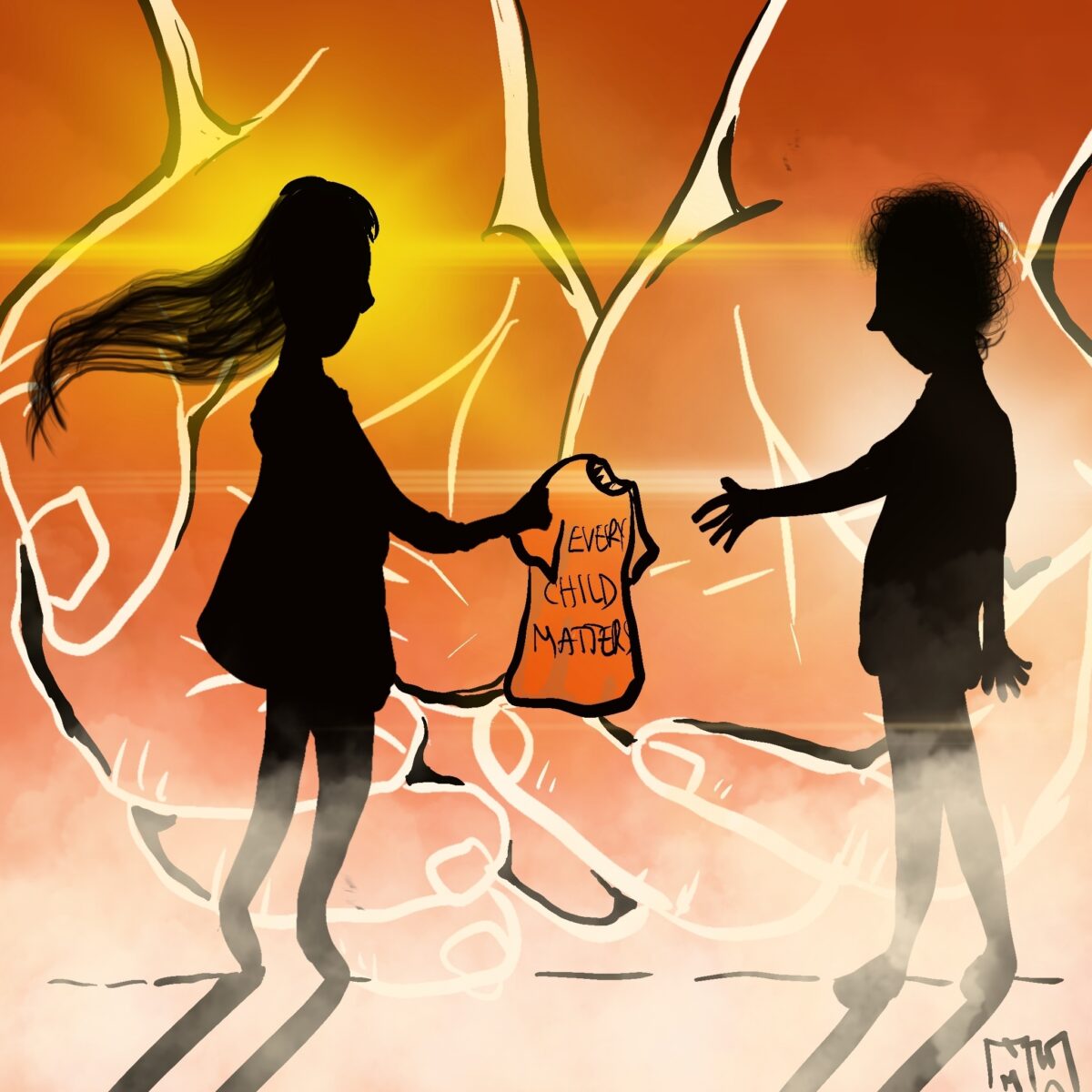
Every child matters, no matter where they are from, and that was on full display last week, as a three-year-old toddler went missing and the province was gripped with her harrowing story, including all of us at The Eastern Door.
Thankfully, she was found alive and well, but there is a whole lot left to unravel – most notably, where was she and how did she get there?
Many amateur sleuths chimed in – the lack of bug bites on her, the shape she was in when found (obviously not out in the elements for three days without food or water), among other visual clues given from the clips broadcast.
It was nice to see people, no matter who they were or where they came from, rooting for her return, with some even joining in the search. That’s what we need more of, that kind of humanity, not just in a time of crisis.
But there was something else that reared its ugly head during this whole time, and that was news media versus social media.
The only thing they have in common, which can be tricky to some, is the word media.

But make no mistake, social media isn’t the go-to place to get your news. Gossip is king and queen over there.
Whether it’s Facebook, Twitter (or X), Instagram, TikTok, Snapchat, or any of those other soul-sucking platforms, you need to read with your mind, and not your heart, and question what you read.
Common sense doesn’t hurt, either, but it isn’t that common these days – especially on social media.
Sure, some reports on social media ARE news, from reputable news sources, but so many more are just some person, saying something untrue or half-true, or clickbait to make money for some random company that couldn’t care less about the truth.
People repeating reports on social media that ARE true – well where do you think they got the news? From news sources – reporters paid to do a job that is noble and relies on truth.
And what happened when the little girl was being searched for and finally found? An odd number of people openly proclaimed on Facebook and other platforms that they doubted it was true because they didn’t see it on social media.





Imagine that. It was reported on multiple news sources at that point, you know, journalists who know how to do their jobs, yet it was somehow not believable.
Social media is creating a generation of mindless zombies who are numb to violence, sex, and bullying; one that doesn’t believe something unless it is in their own echo chamber. And even then, they doubt it. But they will swallow conspiracy theories and Ivermectin cures like it’s set in stone.
CBC, CTV, La Presse, among others, know their jobs and how to report the news more than, say, some rando with a microphone who has passable reading skills and an axe to grind.
That’s what things like this do, they bring out the best and the worst in people – those who want to help and those who want to profit, obfuscate, or flat-out lie.
But the lesson bears repeating: If a news source says it is true, there’s very little chance it isn’t.
But if some dude on YouTube is telling you something because “it’s the truth,” or using words like “don’t be a sheep,” you just may be falling for something you should be scrolling past.
Sign up for email updates from The Eastern Door
This little girl missing was very real, and the ones who will get her story out to the public, her real story, will be reporters, not Joe Blow.
Every child matters, but your news source matters as well, and despite what some blowhard politicians say about the news media and how they’re bad, it’s simply because they don’t kiss their ass.
And you shouldn’t either.
Steve Bonspiel
The Eastern Door