Babysitting in our language

A new babysitting course aims to get youth babysitters using Kanien’kéha with children they care for. Courtesy Unsplash
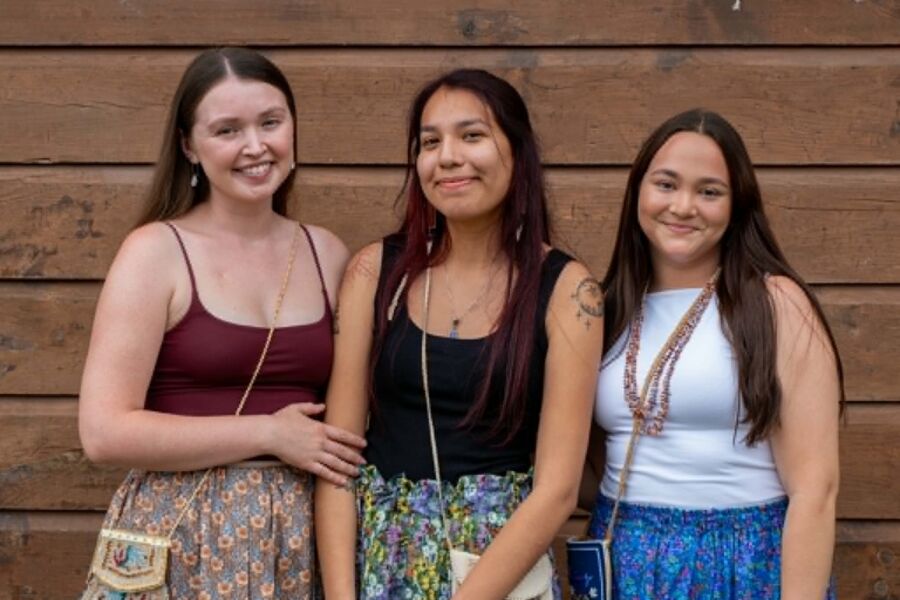
A new course offered by the Kateri Memorial Hospital Centre (KMHC), in partnership with the Kanien’kehá:ka Onkwawén:na Raotitióhkwa Language and Cultural Center, (KOR) aims to equip youth in the community with babysitting skills - while also fostering their knowledge of Kanienʼkéha.
Today is the final day to sign up for the course, which will see students take babysitting classes and Kanien’kéha classes in tandem. At the end of the course, which is open to youth ages 11 to 17, students should be ready to safely babysit young children.
“We’re really hoping to attract all youth, and mostly ones that already have a background in Mohawk, because sometimes at the elementary schools they go to school and speak Mohawk all day, but they go home and they’re too shy, or none of their household speaks,” said Kaksa’tahnó:ron Deer, a child injury prevention worker at the KMHC.
“We want to give them the opportunity to speak while babysitting, or speak to other children back-and-forth, and give them that opportunity for speaking in everyday life to be normalized.”

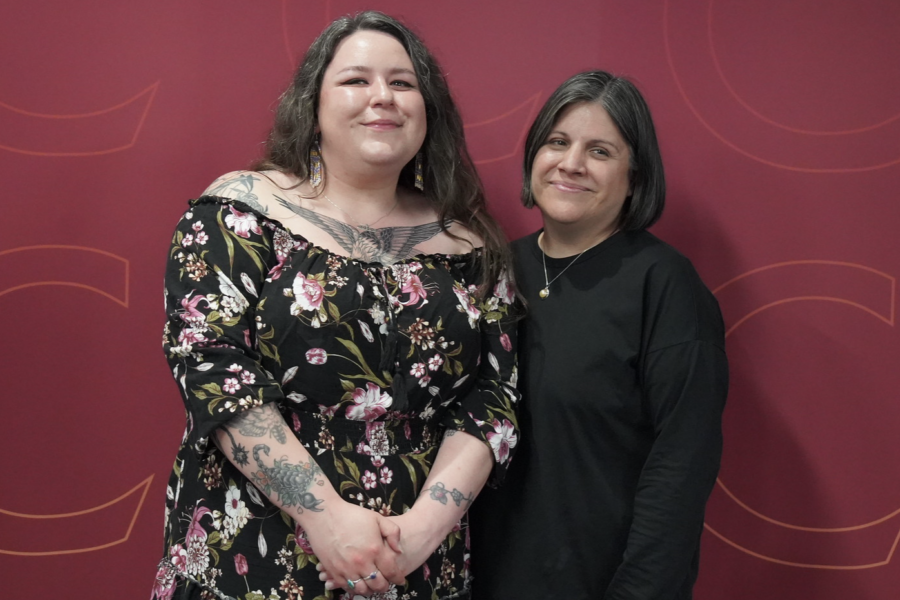
Deer organizes the regular babysitting course at the KMHC, and had the idea to expand the course to a curriculum that includes Kanien’kéha after talking with her friend, Kawennitákhe’ Norton, who works at the KOR.
Norton had floated the idea of doing a babysitting course in the language, and together they saw the opportunity for a successful collaboration.
Deer will teach students the clinical side of the course, teaching them first aid and the necessary skills to be safely certified as a babysitter.
The group will practice with dolls and learn how to care for babies, toddlers, pre-school and school age children, and will complete modules that help them understand how to manage difficult behaviours, sick or injured children, and emergency situations.

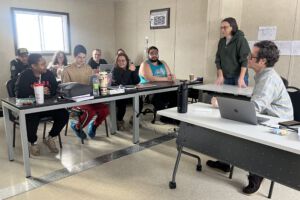

After each module, Norton will teach the class in Mohawk, encouraging them to use Kanien’kéha with the children they’re babysitting throughout their care.
At the end of the course, students will complete a final exam in Mohawk and in English.
“I’m really hoping that it brings the language into the hospital more, and that KOR can continue collaborating with us, and hopefully one day fulfill all our ideas of having the language here, be that with elders, outpatients, inpatients, just with everything,” Deer said.
She said she’s particularly looking forward to leading the course with Norton, having worked with her closely before.
Sign up for email updates from The Eastern Door
“I’m really excited about working with my best friend,” Deer said. “We thought it would be fun, and it just really grew from there, and now it’s a big thing.”
Students can sign up by accessing the QR code on the KMHC social media pages, and questions can also be directed to either facilitator at [email protected] or [email protected].
The sessions will be held in June, and further details about dates and timings will be made available once facilitators have a final number of sign-ups.