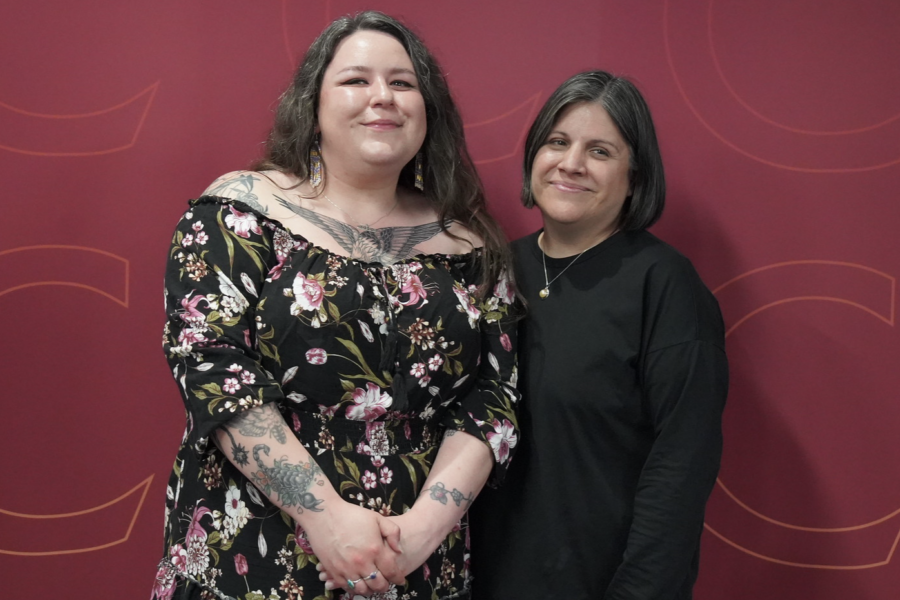
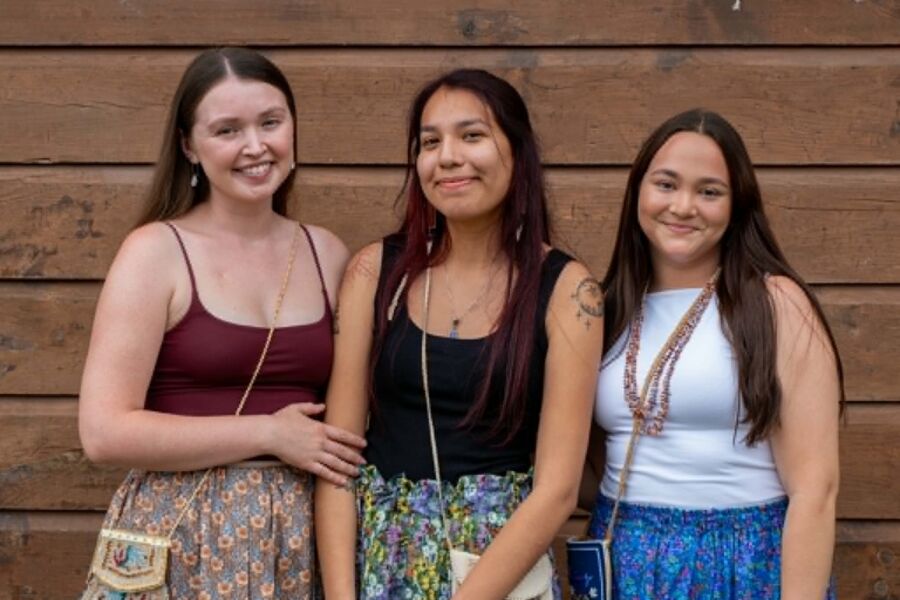
Women’s group stands up for the Pines
Courtesy Kawisaiénhne Albany
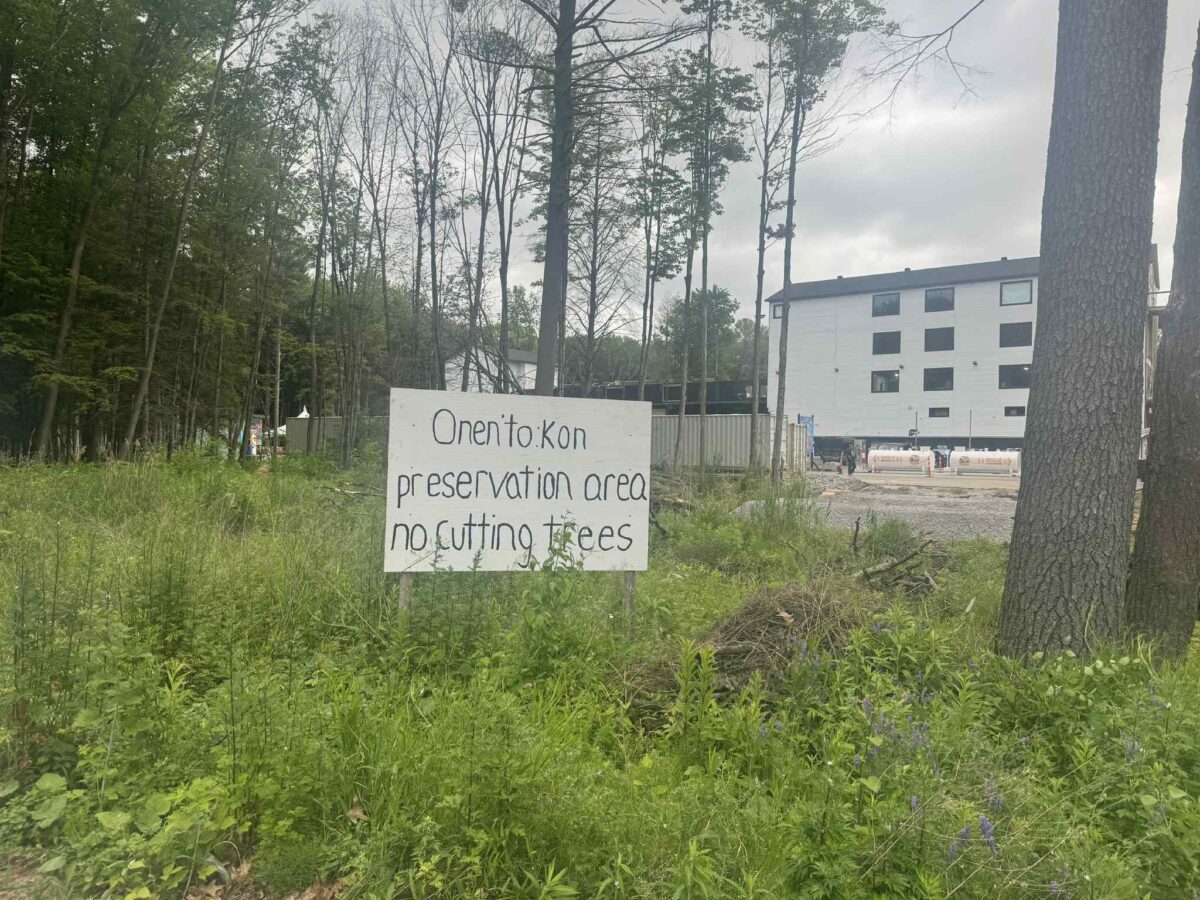
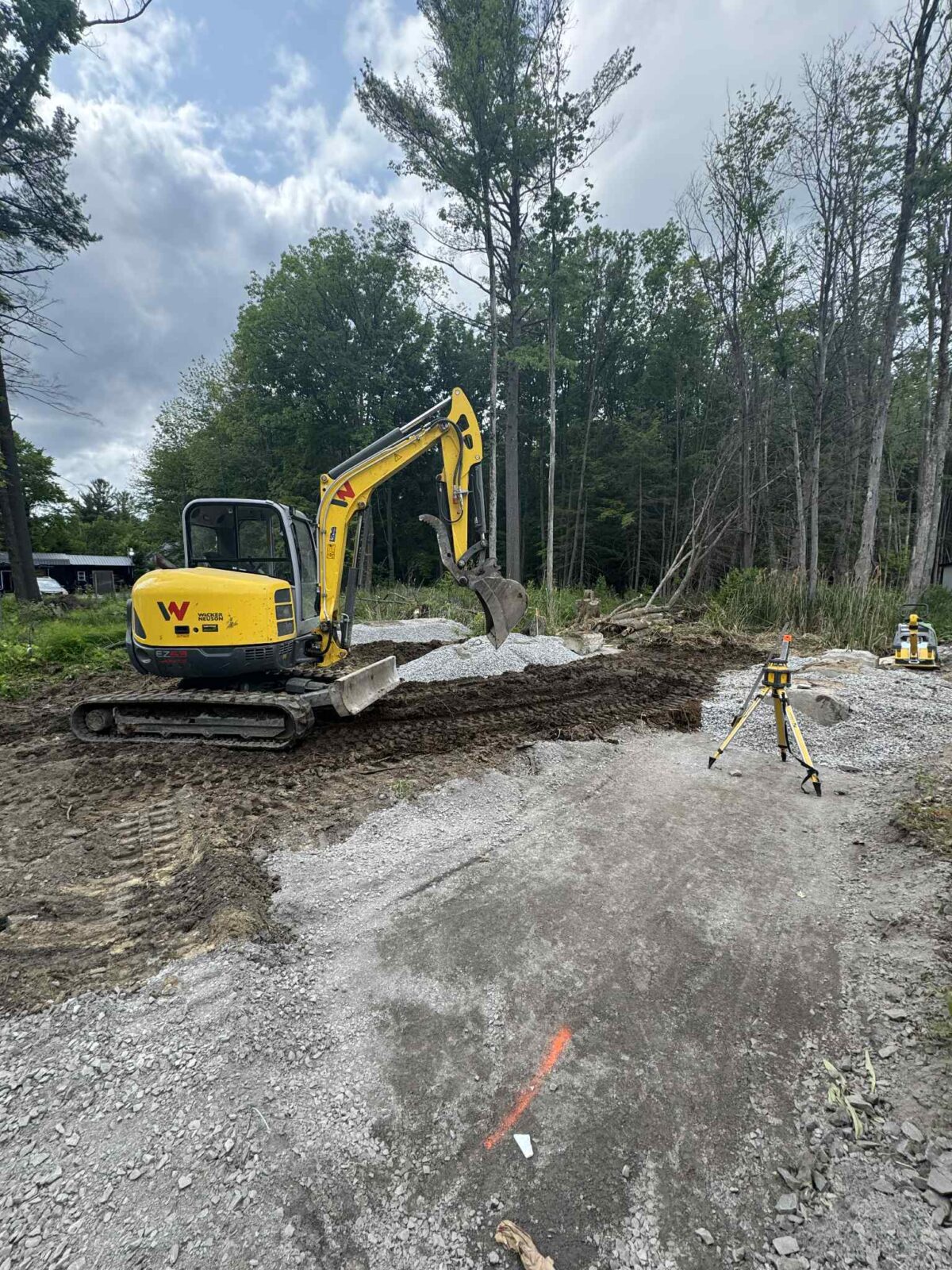
Kawisaiénhne Albany was driving past the Onen’tó:kon Preservation Spot in the Pines on Tuesday when she caught glimpse of a disturbing sight - an excavator tearing into the last remaining plot of land along a strip on precious forest that has been decimated by ever-expanding cannabis stores.
It’s not the first time the area, community land that lies between Big Chiefs and the AAAA cannabis dispensary - both of which are also built on community land - has been encroached upon since being declared a preservation zone by the Ionkwatehontsénhne women’s group, which has fought since 2020 to protect the site from further development.
“It’s tiring, but I knew, and a lot of us know, this is going to be an area we’re going to have to keep fighting for because it is the last lot in the Pines,” said Albany. “Everybody keeps looking at it, and we realize we’re going to have to keep fighting for this. I feel like it’s never going to end.”
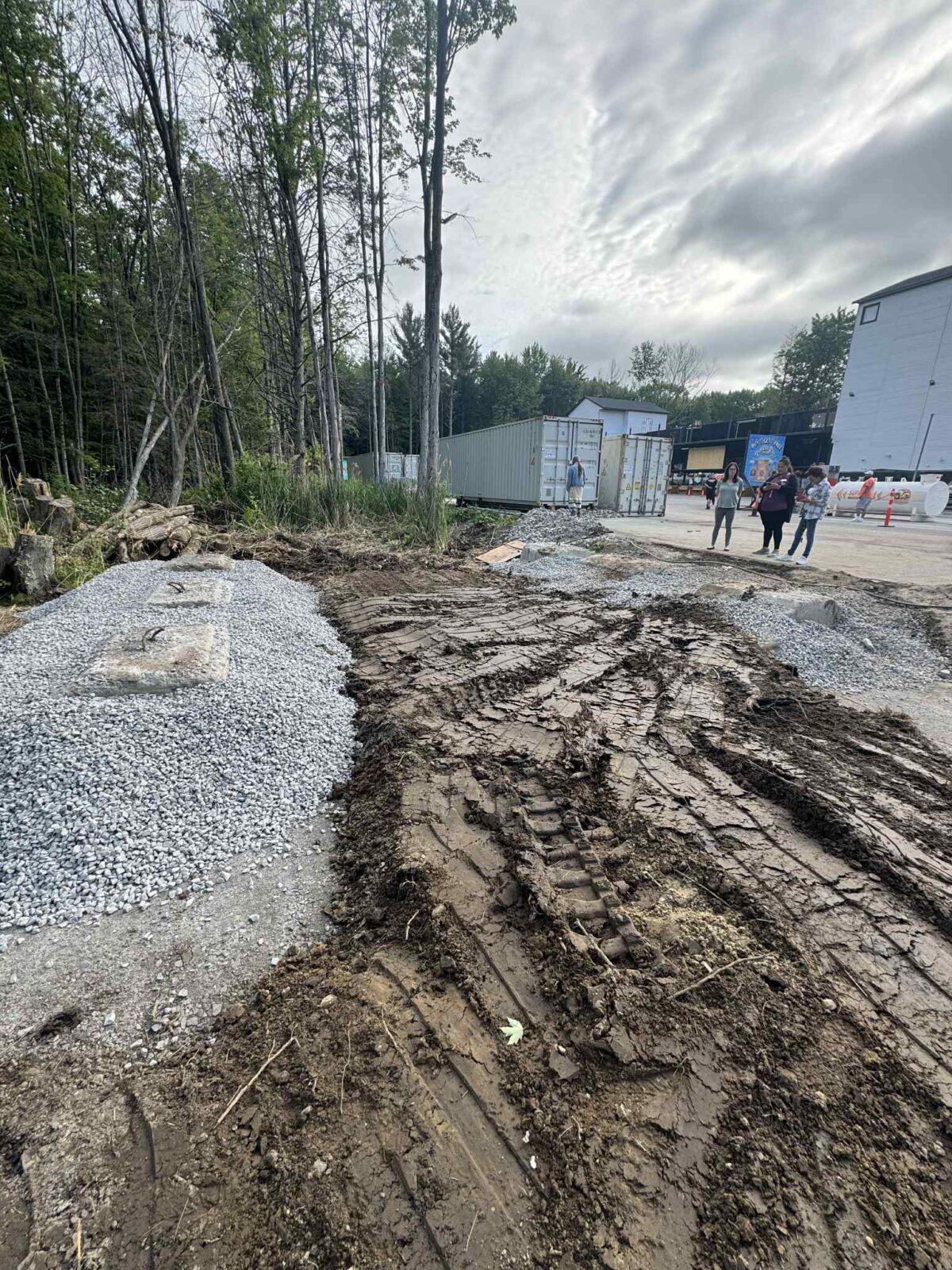
The next morning, the women and a handful of supporters met at the site and confronted Joshua Gabriel, the owner of Big Chiefs, the store that did the construction work. Albany had been told the day before by a worker that the work was being done to make way for containers.
Gabriel agreed to undo the work, although according to Albany, trees were cut in the process. Albany expressed skepticism about Gabriel’s change of heart, with another member of the group echoing the same sentiment on social media, saying it is necessary to see action.
Gabriel declined to comment on the situation when reached by The Eastern Door.

Courtesy Kawisaiénhne Albany
In a letter to the community and storeowners following the incident, the Longhouse and the Ionkwatehontsénhne women’s group call on Kanehsata’kehró:non to respect the sanctity of the plot of land they have declared protected.
“Our ancestors fought with strength and love to defend the Pines, and we carry that responsibility forward,” the letter reads. “The goal of our group is to stop any further development in this sacred space and to preserve what remains - for ourselves, and more importantly, for the generations yet to come.”
The letter said that the land has also been envisioned as a place to plant trees in memory of late loved ones, and that this invitation is being offered to the whole community.
“Let this land be a living memory - something that grows and protects the spirit of who we are as Onkwehón:we.”
While the plot of land on Highway 344 is a symbol of resistance against a frenzy of land grabbing and environmental destruction over the past several years, many stores have continued to develop into the forest, meaning the harm to the Pines in favour of private profit has continued.

“It’s the last one. They’ve taken so much of the Pines and turned it into - it almost looks like the Vegas Strip,” said Albany.
“I understand people need to make money, but at this point, it’s just individual greed. The community doesn’t reap the rewards for anything they’re doing. If anything, we’re being disrespected from outsiders,” said Albany, noting an uptick in stores encouraging customers to hang around rather than buy their product and leave the territory.
Courtesy Kawisaiénhne Albany
Albany believes greater community participation is key to drawing a line in the sand on the destruction of the Pines, noting there were more people there Wednesday morning than in the past to take action.
“Maybe what we’re saying, what we’re doing, is creating a bigger impact, where people feel more comfortable to show up,” she said.
According to Albany, the group faced a lot of blowback in 2023 when they fought against AAAA’s incursion onto the spot, with rumours even circulating that they were being paid. “This is to all the stores to let them know, you need to stop taking, but this spot specifically is the last lot we have in the Pines, and we’re not giving that up and we’re going to keep fighting for it,” Albany said.
Sign up for email updates from The Eastern Door
She recalled the Pines of her childhood, when she didn’t feel the divide she feels now, when games and activities would bring Kanehsata’kehró:non together over meals and quality time.
“When I walk in the Pines, I can feel the strength from what happened in ‘90, and I’ve heard my whole life the stories my grandfather told my grandmother and my parents, and I carry that with me when I walk through the Pines,” she said.
“Why did our parents and our grandparents and our uncles and aunts fight so hard in ‘90 if it was just going to turn out to be this. I want my family and my ancestors to look and say okay, there’s still people fighting. There’s still a reason why we fought so hard in ‘90.”
Marcus Bankuti, Local Journalism Initiative Reporter