Schools make strides in language promotion
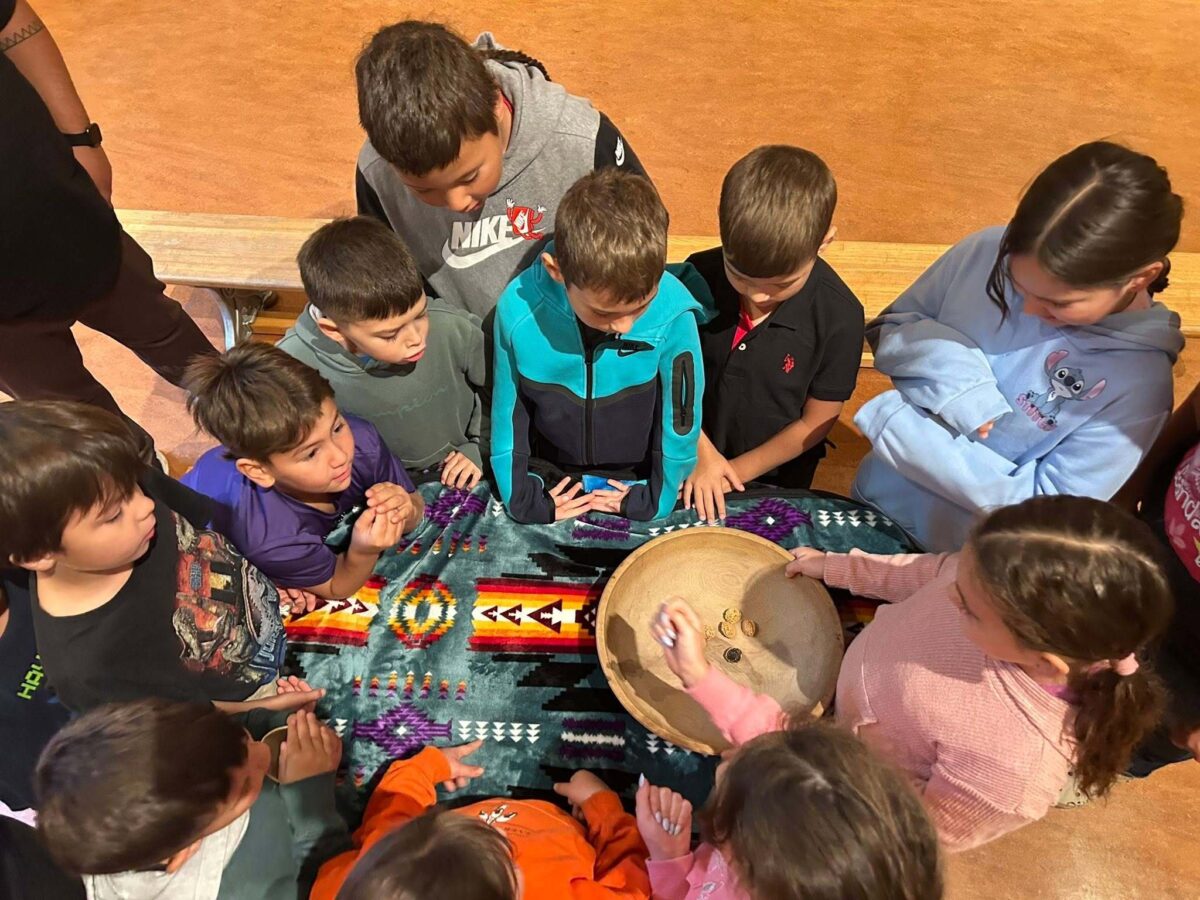
Rotiwennakéhte Elementary School students learning. Courtesy Ratihén:te High School Facebook page
This past year, Ratihén:te High School and Rotiwennakéhte Elementary School have taken big steps to expand Kanien’kehá:ka traditions and language lessons into the classroom.
There has been an influx of cultural offerings like beading, basketweaving, and more Kanien’kéha classes threaded throughout both local schools’ curricula this past year.
Local school leaders agree the integration was a success - and that school staff and students are ready for more.
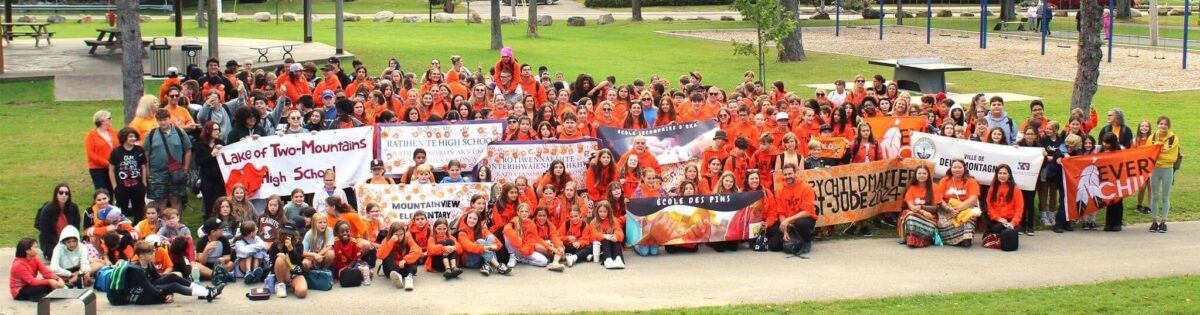
“We’re optimistic that we’re going to be able to find ways to continue to develop the curricula with culture being a major component, because it is absolutely imperative that we continue that growth,” said Rotiwennakéhte principal Melissa McGregor. “It’s not going to happen overnight, but we are slowly making out those steps.”
One of the long-term educational goals for local school leaders is to make Kanien’kehá:ka culture and Kanien’kéha immersed in the curriculum, taught not as an isolated activity, but daily as part of regular classes, said Ratihén:te principal Kimberly Simon.
To accomplish this, both schools organized more interactive, cultural presentations for the students this past school year. Staff from local organizations like the Tsi Ronterihwanónhnha ne Kanien’kéha Language and Cultural Center and knowledgeable Onkwehón:we have run informative sessions for students, such as Brandon Rice teaching students how to process game birds.

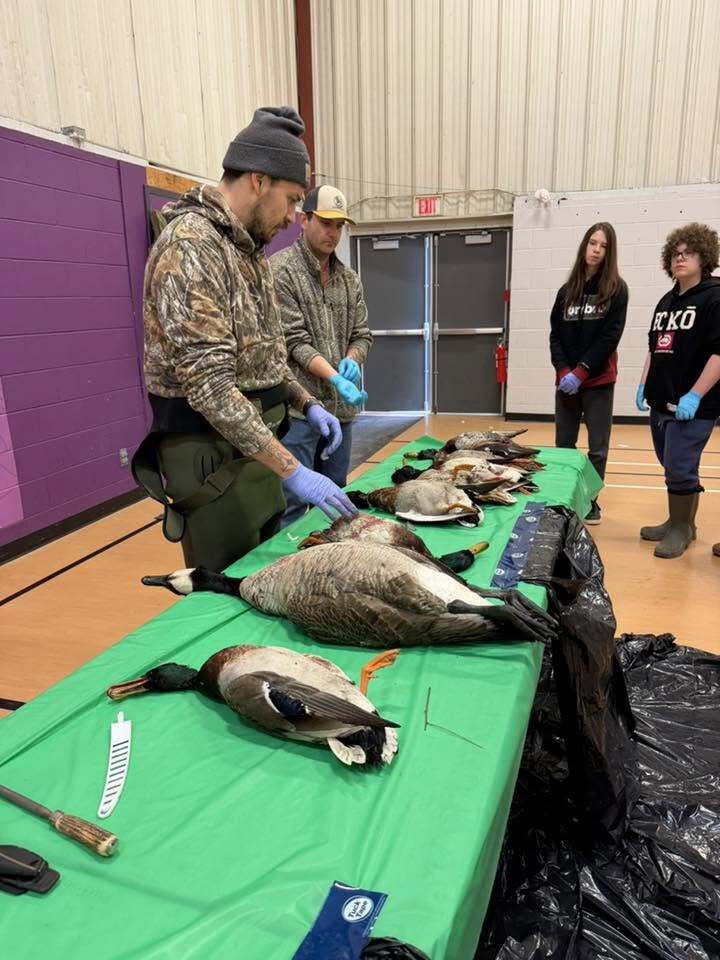
“We tried to really incorporate more hands-on activities with the students that incorporate either cultural revitalization or language revitalization,” said Watsenniiostha Nelson, director of education at the Kanesatake Education Center.
Also, teachers began participating in Kanien’kéha classes this past year. School leaders aim to have Kanien’kéha used daily at school, but many teachers do not know the language. Lessons were given to teachers so it may help them teach the language and lead by example.
“A lot of the teachers are learning alongside the students, but the more that we do, I can see them - the teachers themselves - being more comfortable with integrating these activities into their classes,” said Simon. “So, I can see the long-term goal. We’re getting closer.”
And both schools also gave students more opportunities and practice to learn Indigenous culture and to let the next generation take the lead, said Nelson. This includes beading and basketweaving classes.
“A lot of it was new, especially the beading projects,” said Simon.
“They’re really taking ownership of their projects,” she said, referring to the students. “Some of them are really seeing that they can be good at some of these crafts, and some of them are asking if they can start their own little business and sell their beadwork.”

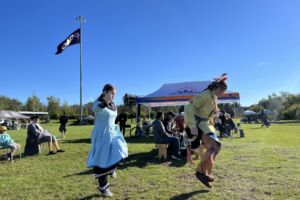

At the elementary school, students performed the Oklahoma Stomp Dance for the holiday concert and kept singing, said McGregor.
“It was really exciting because the kids led it. It was really nice to see them moving independently with that song. Many times, we have adults going with them, but this time they’re really confident,” said McGregor.
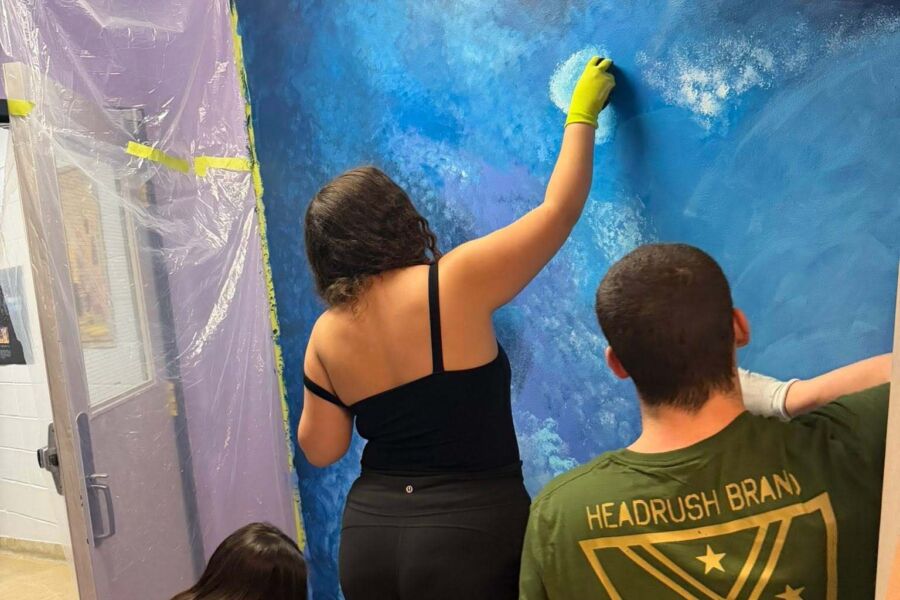
This next year, school staff plan to integrate Kanien’kehá:ka culture and Kanien’kéha more as part of the regular curricula.
“What we’re trying to do is make these cultural lessons, like I said, organically fit within the curriculum, so we’re making these activities class specific,” said Simon.
For example, students will husk and harvest corn and learn in their science class about the scientific process happening when corn is washed, said Simon. Then in art class they’ll learn how to make corn husks.
School leaders will also add students’ requests for certain cultural classes. For example, grade nines who made moccasin vamps this year asked to learn how to sew and make their own moccasins in grade 10.
Sign up for email updates from The Eastern Door
“I have a whole spreadsheet with all of the months and all of the activities and which class it’s going to be part of,” said Simon.
This next year, McGregor said they will also work on increasing parental involvement in the schools, offer certain resources teachers have requested, have a garden for the students, and continue supporting the students in the community to connect with their roots.
“We’re slowly working towards building that cultural aspect in our schools,” said Melissa. “And I think it’s possible It’s not going to happen overnight, but we’re all optimistic, we’re all on the same path, and we’re all moving in that direction. So, it’s a lot of exciting things that are happening.”
Hadassah Alencar, Local Journalism Initiative Reporter